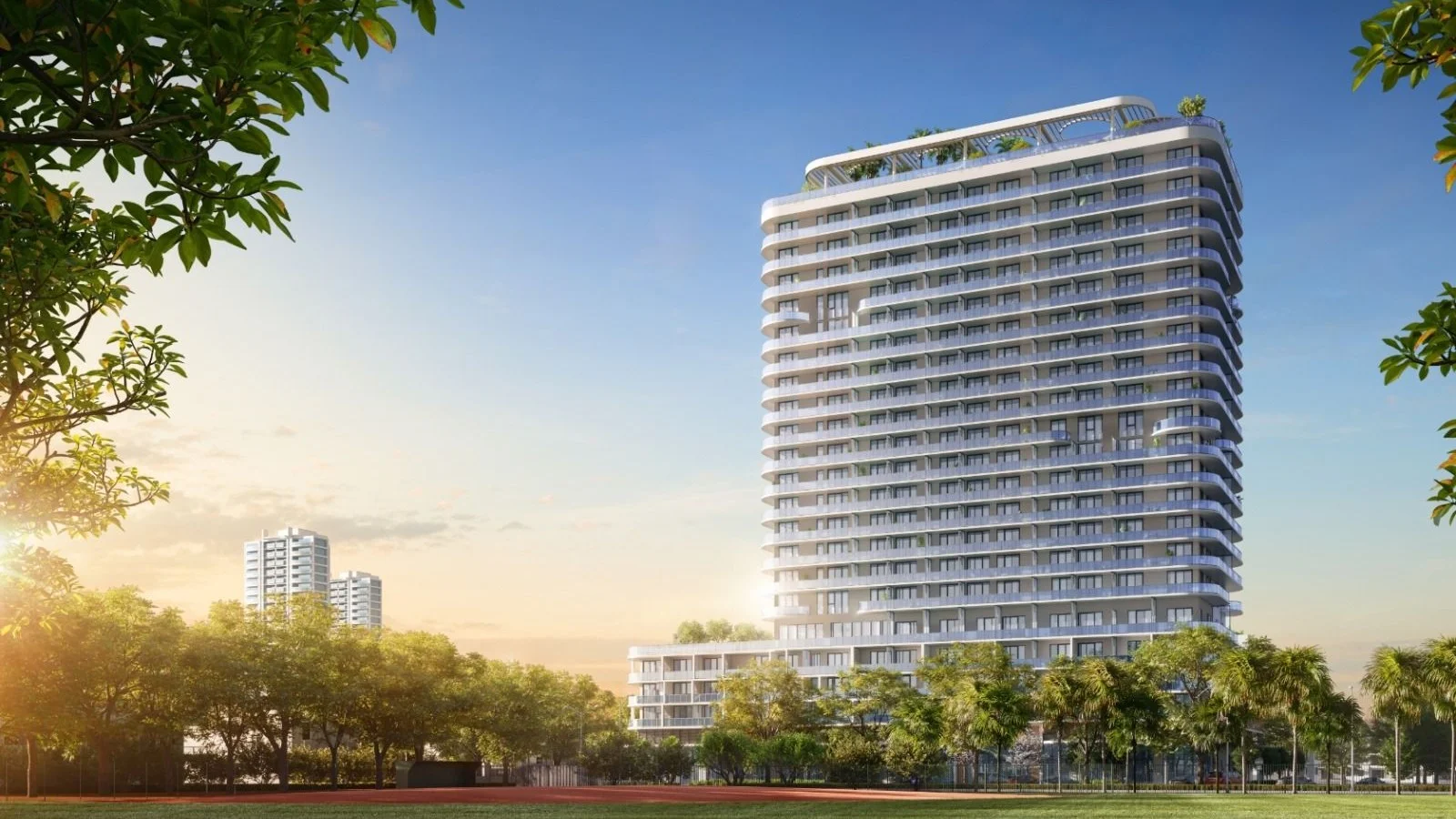
Quick answer: Across the Miami buildings we have documented, the rental clause is almost always the constraint: two or three lettings a year, a floor of 30 days or six months, and in several towers a board that vets every tenant. 72 Park is the exception. It permits short letting, it sits in a North Beach zone where the city allows it, and it hands the unit over furnished. If the short-let model is the reason you are buying in Miami Beach, this is one of very few addresses where the documents do not stop you.
Two permissions have to line up
A short-let purchase in Miami Beach fails on either of two layers, and buyers routinely check only one.
The association’s rules. Most condominiums cap the number of lettings per year and set a minimum lease of 30 days or six months. Across the buildings in this series the pattern is consistent and restrictive.
| Building | Lettings per year | Minimum lease |
|---|---|---|
| 72 Park | short letting permitted | short stays |
| Paraiso Bay | 3 | 30 days |
| SLS LUX Brickell | 3 | 31 days |
| Echo Brickell | 2 | 6 months |
| Jade Ocean | not stated | 6 months |
The city’s zoning. Miami Beach restricts short-term rental by area, and much of the city prohibits stays under six months entirely with substantial fines for breach. North Beach contains defined zones where short stays are permitted, and this building’s proposition depends on sitting inside one.
Both layers must hold, and both should be confirmed in writing before purchase rather than accepted from marketing material. Ask for the recorded declaration with amendments, and separately verify the property’s zoning designation and any city registration requirement with the City of Miami Beach directly. A building may permit what a city forbids; the stricter rule always governs.
Furnished delivery is part of the economics
Residences are delivered fully furnished and ready for occupancy, and for a short-let owner that is a financial feature rather than a convenience.
A short-let unit produces nothing until it is furnished to a standard guests will book. On a Miami Beach studio or one-bedroom that means a five-figure outlay and several weeks between closing and first booking, during which the carrying costs run anyway.
| Line | Furnished delivery | Buy and furnish yourself |
|---|---|---|
| Capital needed at closing | purchase price | purchase price plus furnishing |
| Weeks before first booking | minimal | typically six to twelve |
| Carrying cost during fit-out | none | dues, tax, insurance, financing |
| Consistency across the building | uniform | variable |
That last row matters more than it appears. When every unit is furnished to the same specification, guest expectations are consistent and the building develops a reliable reputation on booking platforms. When owners furnish individually, quality varies and reviews follow the worst units.
The counterpoint is that uniform furnishing also means uniform competition. Your unit is not differentiated from the 205 others in the building, so pricing converges. Underwrite occupancy and nightly rate against the building’s own supply, not against the wider Miami Beach market.
The obligations that come with short letting
Short letting is a business with registration requirements, and they sit on the owner rather than on the association.
| Obligation | Who levies it |
|---|---|
| Florida state sales tax on short stays | State of Florida |
| Tourist development tax | Miami-Dade County |
| Vacation rental licence | Florida DBPR |
| City registration where required | City of Miami Beach |
Each of these requires registration before the first guest, not after. The combined tax load on short stays in Miami-Dade sits materially above zero and comes off gross revenue before any management fee, which is why gross nightly rates and net yield diverge so sharply in this model.
Add the operating layer: platform commission, cleaning between stays, linen, restocking, guest communication and a management fee that typically runs well above the 8 to 12 per cent charged on annual lettings. A short-let pro forma built on nightly rate times occupancy, without those lines, overstates net return substantially.
None of that argues against the model. It argues for modelling it properly, and for asking the building’s manager what actual occupancy and average daily rate the units have achieved rather than what the sales material projects.
A 2024 building with no structural question
Delivery from 2024 places the 25-year coastal trigger near 2049. The SB 4-D milestone framework is irrelevant to any realistic hold here, and there is no deferred structural bill to inherit.
What a new building lacks is history. There is no completed reserve cycle and no record of how the board behaves under pressure. In a short-let building that gap matters more than usual, because high guest turnover puts heavier wear on lifts, corridors, lobbies and amenity spaces than an owner-occupied tower does. The replacement schedule for common-area finishes is shorter here than in a building where the same residents come and go quietly.
Ask two specific questions: what the reserve study assumes about common-area replacement intervals, and whether the budget includes any additional cleaning or security provision for guest traffic. A budget written for a conventional residential building applied to a short-let one will be short.
Insurance is the other line. Master policies sit inside the dues, coastal premiums have repriced every year since 2022, and a building operating as short-let accommodation carries a different liability profile from a residential one. See the Florida property insurance guide and confirm that your own unit policy covers short-let use, because a standard HO-6 often does not.
Financing a short-let condominium
This is where the model most often runs into difficulty, and it should be settled before the offer.
Fannie Mae treats projects operated as a hotel, offering hotel-type services, or requiring rental pooling as ineligible. A condominium built around short letting invites exactly that assessment, and where a project is judged non-warrantable the conventional thirty-year loan is unavailable across every unit in it.
The realistic routes are cash, a portfolio loan, or a DSCR loan underwritten on the rent the unit produces at 25 to 30 per cent down and above conforming pricing. DSCR is the natural product here precisely because it underwrites income rather than the borrower, but lenders differ on whether they will use short-let income and on what documentation they require, typically platform history rather than a signed lease. Overseas buyers work through foreign national mortgage programmes.
Ask a lender early what income evidence they will accept for a short-let unit. That answer shapes the deposit and, at resale, the pool of buyers who can follow you.
Verification checklist before you wire
- Get the recorded declaration with amendments confirming short letting is permitted and uncapped.
- Verify the property’s zoning designation with the City of Miami Beach and any registration requirement, separately from the association’s rules.
- Ask what actual occupancy and average daily rate units in the building have achieved, not the projection.
- Confirm what the furnishing package includes and who replaces it as it wears.
- Ask what the reserve study assumes for common-area replacement intervals under guest traffic.
- Register for state sales tax, county tourist development tax and the DBPR vacation rental licence before the first booking.
- Confirm your unit insurance covers short-let use.
- Get a written lender view on project eligibility and on what short-let income evidence they accept.
Which buyer this building suits
It suits an investor who specifically wants the short-let model in Miami Beach and has been unable to find a building whose documents permit it. That is a real and underserved buyer, and this address answers a question most of the market cannot.
It suits a buyer looking for a quiet residence poorly, and the reason is the same feature. A building designed for high turnover behaves like one: guests rather than neighbours, luggage in the lifts, and common areas that wear faster. That is the trade, and it is a fair one as long as it is made deliberately. Model the taxes and the operating lines before the nightly rate, and confirm both permission layers in writing. For the wider market context see the Miami area page.
Frequently Asked Questions
Yes. The building was designed and marketed to permit short-term letting without the restrictions most Miami Beach condominiums impose, and it sits in North Beach where the city's zoning permits short stays in defined areas. Both layers have to hold, the association's rules and the city's zoning, and both should be confirmed in writing before purchase.
22 storeys with 206 residences at 7124 Harding Avenue in North Beach, Miami Beach, three blocks from the beach. Residences run 470 to 1,177 square feet with prices starting near $700,000, and they are delivered fully furnished and ready to occupy.
Lefferts is the developer, with architecture by Built Form and interiors by Urban Robot Associates. Construction began in summer 2022 with delivery from 2024.
Because a short-let unit cannot generate income until it is furnished to a lettable standard, and furnishing a Miami Beach studio or one-bedroom is a five-figure outlay plus weeks of work. Delivered furnished, the unit can be listed from handover, which removes both the capital and the delay from the first year's model.
Short stays attract Florida state sales tax plus the county tourist development tax, and both require registration before the first guest. A vacation rental licence from the state and any city registration also apply. Those obligations sit on the owner, not on the building, and they are the most commonly missed step in a first short-let purchase.
A 2024 delivery places the 25-year coastal trigger near 2049, so there is no structural question inside any realistic hold. The near-term financial questions are the first budget, the reserve funding on a new amenity base, and the operating cost of a building designed for high turnover.
Check both short-let permission layers at 72 Park before you offer
Tell us the residence size you are considering. We will come back with the recorded rental clause, the city zoning designation and registration requirements, the building's actual occupancy and rate history where available, the full tax stack on short stays, and a lender view on short-let income.