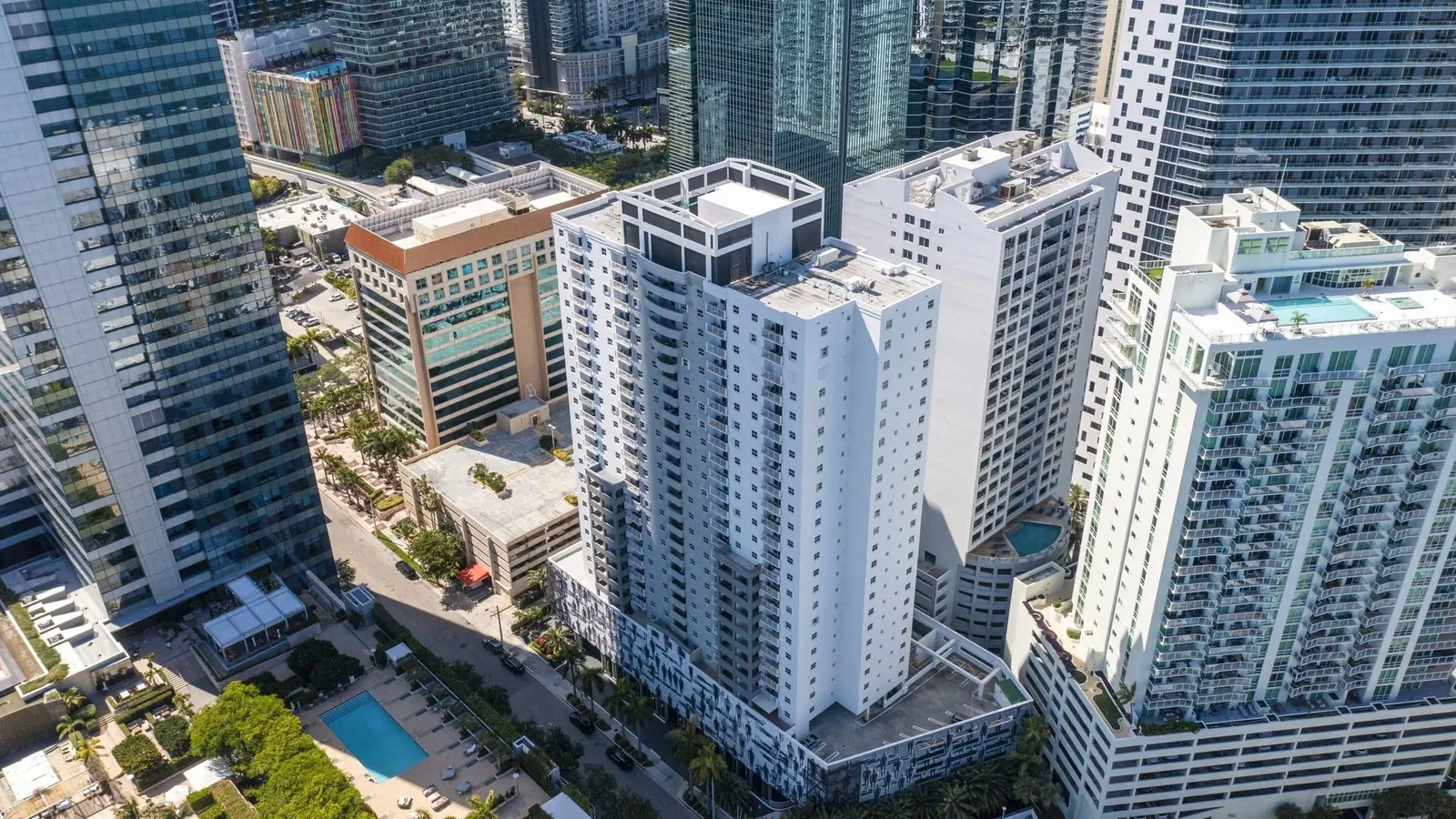
Quick answer: This is the one building in this series where the owner chooses which asset they own. Place the residence in the hotel programme and it lets daily under the operator. Let it independently and the minimum lease is six months. Nothing in between. That single choice changes the income model, the tax filings and, most consequentially, how a lender sees the whole project.
Two assets, one deed
| Hotel programme | Let independently | |
|---|---|---|
| Letting frequency | daily | six-month minimum |
| Operated by | the hotel operator | you or your manager |
| Furnishing | to the programme’s standard | your choice |
| Income shape | nightly rate, high turnover | one annual rent |
| Cost stack | operator fee, cleaning, linen, channel commission | management, one make-good a year |
| Tax | transient taxes on every stay | transient taxes under six months only |
Both are legitimate and the building supports either. What matters is that they are not the same investment, and a listing quoting hotel performance is not describing what an independent letting produces.
Before comparing them, ask the operator for a full year of actual net figures from a comparable unit: occupancy by month, average daily rate, and every deduction. Then price an annual tenancy at market rent for a 600 to 950 square foot Brickell one-bedroom. Compare the two net numbers. Gross nightly rate against gross annual rent is not a comparison.
The programme is the financing question
Lender project eligibility rules test the project. A hotel operating in the building, hotel-type services, and above all a rental programme with pooled income are among the specific triggers that classify a project as a condo-hotel and make it non-warrantable.
The consequence is building-wide rather than personal: the conventional thirty-year loan becomes unavailable to every owner, not to one applicant, and that reprices resale for all of them because the buyer pool shrinks to cash and portfolio lending.
So the questions to put in writing before contract:
- Does the rental programme pool income across participating units, or account for each separately?
- What proportion of the building currently participates?
- What share of the property is non-residential?
- What does a lender’s written project eligibility determination say today?
Where the answer is unfavourable, the routes are cash, portfolio lending or a DSCR loan underwritten on rent at a larger deposit, and overseas buyers work through foreign national mortgage programmes.
Compare with Hyde Midtown, where hotel suites and condominium residences are separate products, and with buildings that carry no hotel component at all.
A 1998 building, and the inspection has already happened
This is the important structural fact and it inverts the usual question.
The 25-year trigger applies within 3 miles of a coastline. A 1998 building passed it before the statute took effect, and buildings already past the threshold had until 31 December 2024 to complete the initial inspection. The repeat interval is 10 years.
So do not ask when an inspection is due. Ask for:
| Document | What it tells you |
|---|---|
| Completed phase one milestone inspection report | what the engineer actually found |
| Phase two findings, if one was required | the seriousness of what was found |
| Board resolution on those findings | what is being done, and when |
| Any assessment levied, pending or discussed in 24 months | what it costs, with minutes |
| Structural integrity reserve study and funding percentage | whether the remedy is funded |
An association that inspected, published and funded is in a stronger position than a newer building that has done none of those things. One that inspected and deferred is in a weaker one. The report says which, and it exists.
Switching between the two models is not free
An owner can move a residence from the hotel programme to an independent letting or back, but each direction carries a cost that rarely appears in the sales conversation.
Into the programme: the residence must meet the operator’s furnishing and equipment standard, which on a unit fitted out for an annual tenant usually means replacing soft furnishings, linen, kitchenware and often the television and mattress. Ask for the current specification in writing and price the gap.
Out of the programme: there is normally a notice period, and any booking already taken has to be honoured, so the transition can span a season rather than a month. Ask what notice the agreement requires and what happens to forward reservations.
Either direction: the tax registrations change. Daily letting is transient and taxable from the first night; an annual tenancy over six months sits outside the transient regime entirely. Registrations, filings and any state vacation rental licence follow the model, not the deed.
Decide the model before you buy and furnish for it once. Owners who change their mind after completion pay for the specification twice.
The search term belongs to the hotel
Researching this building is unusually confusing because the hotel trades under the same name, so booking platforms dominate the results. Nightly rates, guest reviews and availability calendars all describe the hotel programme, not ownership.
Two practical consequences. Do not read a nightly rate as owner income: the operator’s fee, cleaning, linen, commission and vacancy come out of it first. And do not read hotel guest reviews as a view of the building’s condition as a residence; they describe serviced suites, which are refurbished on a hotel cycle rather than an owner’s.
For an ownership view, use the recorded documents and the association’s own figures.
Small units in a 1998 tower
Residences run roughly 600 to 950 square feet across one and two bedrooms, with a stacked washer and dryer, a walk-in closet and a balcony. That is compact, practical stock at one of Brickell’s lower entry points.
At this size and vintage, three things drive the annual carry more than the asking price:
Dues per square foot, which on small units in a serviced building are proportionally heavy. Ask for the actual figure for the specific unit and what it includes.
The reserve line inside those dues, which on a 1998 building with a completed inspection is the number under pressure.
Insurance, which sits inside the master policy and has repriced every year since 2022. Ask for the premium as a separate figure for each of the last three years. See the Florida property insurance guide.
For the surrounding market see 1428 Brickell, Brickell Heights and the Brickell area page.
Verification checklist before you wire
- Decide which model you intend, programme or independent, before you offer.
- Get a full year of actual net figures from a comparable unit in the programme.
- Price an annual tenancy at market rent and compare net against net.
- Ask in writing whether the rental programme pools income, and what share participates.
- Get the completed milestone inspection report and any phase two findings.
- Get the board resolution and any assessment levied, pending or discussed in 24 months.
- Get the structural integrity reserve study and the funding percentage.
- Request 3 years of dues split into reserve contribution and master insurance premium.
- Obtain a written lender project eligibility determination before contract.
Which buyer this building suits
It suits an operator or a cash buyer who wants a small Brickell unit with a genuine daily-letting route, understands that the route is the operator’s programme rather than their own listing, and has priced the resale on the understanding that the next buyer may face the same financing constraint.
It suits a buyer who needs a conventional mortgage least well, and that is the honest headline. A hotel programme inside the building is exactly what a project review examines, and the answer has to come from a lender in writing rather than from an assumption. Get that determination first; everything else here is straightforward diligence on a compact, well-located 1998 tower whose inspection report already exists.
Frequently Asked Questions
Only through the building's hotel programme. An owner may place the residence in that programme, in which case it is let on a daily basis under the operator, or let it independently, in which case the minimum lease is six months. There is no third option, and the two produce very different assets.
In substance yes: a hotel operation runs in the building and owners may place units into it. That is the exact structure lender project eligibility rules test for, and a rental programme with pooled income is one of the specific triggers. Get a written project eligibility determination before contract rather than after.
A 1998 completion means the building passed the 25-year coastal trigger before the statute took effect, so the initial inspection deadline of 31 December 2024 has passed. Ask for the completed report, any phase two findings, and what the board resolved to do, rather than asking when an inspection is coming.
About 296 units across 29 storeys at 185 SE 14th Terrace, in one and two bedroom layouts of roughly 600 to 950 interior square feet, with a stacked washer and dryer, walk-in closet and balcony. Completed in 1998.
Because the hotel operates under the same name, so booking sites dominate the search term. That is worth knowing when researching: a page describing nightly rates is describing the hotel programme, not what an owner receives, and the two figures are not comparable.
That depends on whether you need conventional financing and on what the programme actually nets after operator fees, cleaning, vacancy and taxes. Ask the operator for a full year of actual net figures from a comparable unit, then compare with an annual tenancy at market rent, and decide on the two numbers rather than on the gross nightly rate.
Get the programme figures and the lender determination at Fortune House
Tell us which model you have in mind. We will come back with a full year of actual net figures from a comparable programme unit, an annual tenancy comparison at market rent, whether income is pooled and what share participates, the completed milestone report and reserve position, and a written lender project eligibility determination.