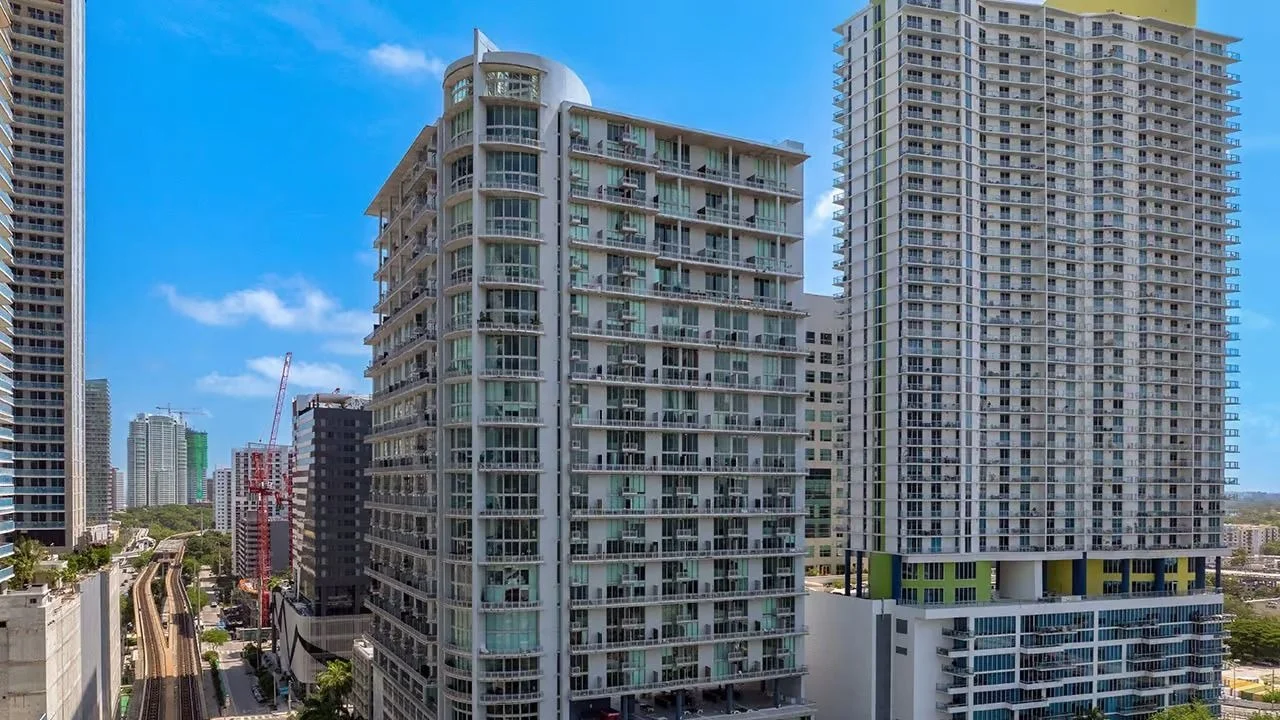
Quick answer: The clause that decides this building is not the letting frequency. It is the pet rule: owners may keep a pet, tenants may not. In a rental market where a large share of tenants have one, that removes a substantial slice of demand before the rent is even quoted. Everything else here is a competent 2007 Miami River tower of 453 lofts and flats with a 2032 inspection ahead of it.
A pet clause is a rent clause
Reported rules here allow pets for owners and not for tenants. That distinction is easy to skim past and expensive to discover after purchase.
A large share of American renters keep a pet, and a pet-owning household does not negotiate on this point: they filter the building out of the search entirely and never appear as an enquiry. So the effect is not a discount, it is a smaller pool:
| Consequence | What it looks like in practice |
|---|---|
| Fewer enquiries per listing | longer marketing time between tenancies |
| Longer void periods | a real cost when only two lettings a year are permitted |
| Downward pressure on achieved rent | the remaining pool knows it has options |
| A narrower resale story to landlords | investor buyers price the constraint in |
None of that makes the building a poor purchase. It makes the rent assumption the thing to verify rather than assume, and it is the single most common reason a Miami rental model built on area averages disappoints.
Two things to do. Confirm the current rule in the recorded declaration and the association’s rules, because pet policies are amended more often than letting clauses. And underwrite from achieved rents inside this building, over a full year and by unit type, rather than from Brickell or Miami River averages that include pet-friendly stock. See the HOA and association restrictions checklist.
Two lettings a year, and confirm the floor
Owners may let a maximum of two times per year. The minimum lease term is the second half of that rule and should be read directly from the recorded declaration with amendments rather than taken from a listing, because listings frequently report the frequency and omit the term.
Whatever the term turns out to be, the frequency alone tells you the model: one annual tenant, with a second permitted only if the first ends early. There is no seasonal or monthly route here.
Combined with the pet rule, plan for a longer gap between tenancies than a comparable building would need, and price a full void rather than a partial one.
Lofts and flats are two products
The building mixes bi-level lofts with single-storey flats, from studios to three bedrooms, roughly 638 to 1,337 square feet.
| Bi-level loft | Single-storey flat | |
|---|---|---|
| Supply in the building | limited | the majority |
| Ceiling height and volume | the reason people want them | conventional |
| Comparable set | thin, price from all of them | deep |
| Tenant appeal | specific and loyal | broad |
| Time to sell | longer, wider offer spread | shorter |
Establish which product a folio refers to before looking at a single number, and draw comparables only from the same product. A loft priced against flat sales is priced against a different asset, and the error runs in both directions.
The river side of Brickell
The building sits on the Miami River rather than on Brickell Avenue or the bay, which is a genuinely different location from either. The river frontage is working and urban rather than a resort waterfront, and it is walkable to Brickell’s offices without paying the Brickell Avenue premium.
That shapes the tenant: someone who works nearby and prioritises commute and price over a bay view. Underwrite on that basis rather than on bayfront comparables.
For the surrounding market see 1428 Brickell, Brickell Heights, Skyline on Brickell and the Brickell area page.
2032 and a 2007 building
A 2007 completion places the first milestone inspection around 2032 under the 25-year coastal trigger, repeating every 10 years. A ten-year hold from today runs straight through it.
| Document | What it decides |
|---|---|
| Structural integrity reserve study | expected scope and cost |
| Reserve funding percentage | how much is already collected |
| 3 years of dues split into reserves and insurance | funding or deferring |
| Assessments levied, pending or discussed in 24 months | what is already in motion |
Ask also what has been replaced and when, with permits: roof and waterproofing, lifts, cooling plant and risers, glazing and sealants. Nineteen years in, several of those reach the end of their first cycle together, and a building that has done the work arrives at 2032 in a different position from one that has deferred it.
Dues, and why the headline misleads
Water, sewer and trash are included in the association dues. That is convenient and it makes the headline figure incomparable with a building that bills those separately.
Rebuild both sides before comparing. Add the other building’s water, sewer and trash to its own figure, then compare totals. Then ask the manager to split 3 years of increases into reserve contribution and master insurance premium, because on a 2007 building six years from its inspection the reserve half of that split is the informative number.
Coastal Miami master policies have repriced every year since 2022 and sit inside the dues. See the Florida property insurance guide.
For a let residence add Miami-Dade property tax on the assessed value without homestead, an owner’s HO-6 policy, management, and the longer void the pet rule implies.
Financing
Reserve funding and investor concentration are the two project-level tests, and on a building of compact units the second usually runs high because small residences attract landlords.
Obtain a written project eligibility determination before offering. Where a project is non-warrantable the conventional thirty-year loan is unavailable building-wide, leaving cash, portfolio lending or a DSCR loan underwritten on rent at a larger deposit. Overseas buyers work through foreign national mortgage programmes. See also the Florida condos hub.
Verification checklist before you wire
- Confirm the pet rule for tenants in the recorded declaration and the association rules.
- Confirm both the letting frequency and the minimum lease term from the recorded documents.
- Get achieved rents by unit type over a full year from inside the building.
- Establish whether the folio is a bi-level loft or a single-storey flat.
- Draw comparables from the same product only.
- Get the structural integrity reserve study and the current funding percentage.
- Request 3 years of dues split into reserve contribution and insurance premium.
- Ask what has been replaced and when, with permits, on a 2007 building.
- Model a full void between tenancies rather than a partial one.
- Obtain a written lender project eligibility determination.
Which buyer this building suits
It suits an owner-occupier well, and unusually so: the pet rule that constrains letting does not constrain an owner, who may keep a pet. Someone buying a loft here to live in gets the scarce product in the building, a river-side Brickell location at a lower entry price than Brickell Avenue, and a rule set that keeps the resident body settled.
It suits a landlord less well than the price suggests, and the reason is the pet clause rather than anything about the building. Verify the current rule and get achieved rents from inside the building before modelling anything. If the numbers still work with a smaller tenant pool and longer voids, the purchase is sound; if they only work on area averages, they do not work.
Frequently Asked Questions
Reported rules permit pets for owners and not for tenants. That is a material constraint on the letting market, because a large share of renters have a pet and will simply not view a building that excludes them. Confirm the current rule in the recorded declaration and the association's rules before underwriting rent.
Owners may let a maximum of two times per year. The minimum lease term should be confirmed directly from the recorded declaration with amendments rather than from a listing, and read alongside the pet rule, which in practice is the harder constraint here.
Thirty-six storeys at 690 SW 1st Court, on the Miami River side of Brickell, with about 453 residences. The stock is a mix of bi-level lofts and single-storey flats in studio to three-bedroom layouts, roughly 638 to 1,337 interior square feet. Completed 2007, designed by Revuelta Vega Leon.
Water, sewer and trash removal are included in the association dues. That bundling inflates the headline figure relative to a building that bills those separately, so add them back to the comparison building before deciding which is cheaper.
A 2007 completion places the first milestone inspection around 2032 under the 25-year trigger that applies within 3 miles of a coastline, repeating every 10 years. That falls inside a normal hold, so the reserve study and the funding percentage are documents for a buyer today.
No. Bi-level lofts are the scarce product in the building and attract a different buyer and tenant from the single-storey flats, with different ceiling heights and layouts. Draw comparables from the same product, because a loft priced against flat sales is priced against a different thing.
Confirm the pet and letting rules at Neo Vertika before you offer
Tell us which unit type you are considering. We will come back with the recorded pet and letting clauses, achieved rents by unit type from inside the building over a full year, whether the folio is a loft or a flat with comparables from the same product, and the reserve study and funding percentage ahead of 2032.