Quick answer: Hyde Park Tampa delivers 2.8-5.5% net yield on long-term leases across South Tampa condos, townhomes, and historic district rentals. Entry from approximately $380,000 for a one-bedroom. Professional tenant demand from Tampa’s healthcare and finance corridor supports premium rents.
Hyde Park is Tampa Bay’s most established urban luxury address, a grid of historic bungalows, Bayshore Boulevard runners, and mid-rise condominiums that has attracted South Tampa professionals for three decades. For long-term rental investors, Hyde Park offers something rare in Florida coastal markets: gross yields above 5% combined with tenant quality that reduces turnover cost and vacancy risk.
Unlike Miami’s yield-compressed condo towers or Naples’ seasonal calendar dependency, Hyde Park generates twelve-month lease income from dual-income households employed at Tampa General Hospital, BayCare, Raymond James, JPMorgan Chase, and the downtown financial district. The neighborhood’s walkability to restaurants on South Howard Avenue, the Hyde Park Village shopping center, and the Bayshore linear park creates tenant stickiness that suburban Tampa inventory cannot replicate.
This review models net yields across three scenarios, explains HOA rental rules, and assesses insurance and flood costs for a submarket where operating economics, not appreciation headlines, should drive the investment decision.
For broader Tampa Bay context, see our Tampa area investment guide. For statewide yield comparison, read the Florida rental yield guide.
Investment Review property types and hyde park boundaries
Hyde Park investment inventory spans four distinct product categories within the South Tampa peninsula south of Kennedy Boulevard and west of Dale Mabry Highway.
| Product type | Typical era | One-bedroom entry | Two-bedroom entry | LTR appeal |
|---|---|---|---|---|
| Bayshore mid-rise condo | 1990-2015 | $380,000-$520,000 | $480,000-$680,000 | High, views, amenities |
| Interior block condo/townhome | 2000-2020 | $350,000-$450,000 | $420,000-$580,000 | High, walkability |
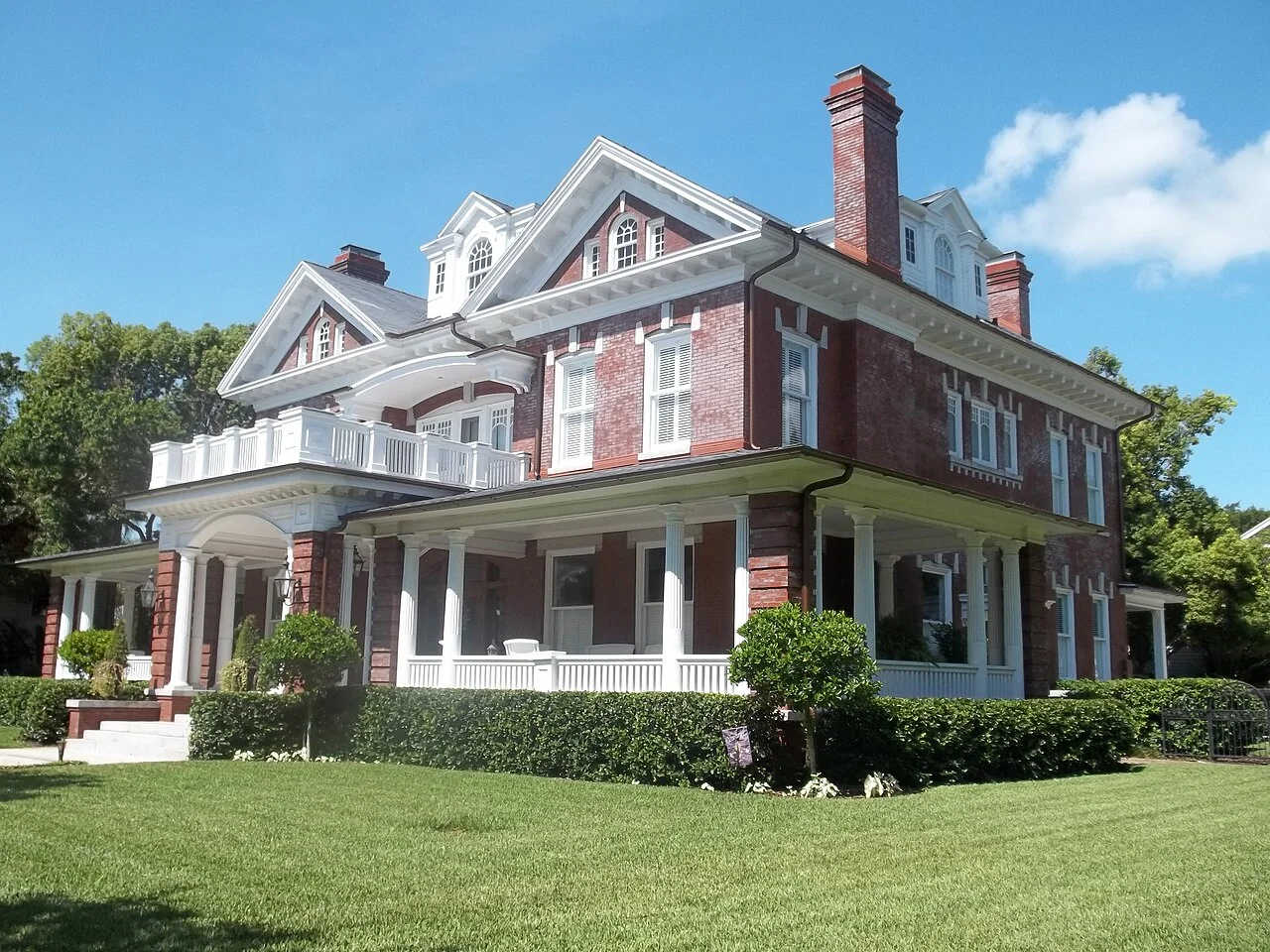
| Historic district SFH / duplex | 1920-1940 | N/A | $550,000-$900,000 | Premium, character |
| SoHo edge townhome | 2010-2024 | N/A | $450,000-$650,000 | High, new stock |
Investment recommendation: Two-bedroom condos in 2000s-2010s mid-rises deliver the strongest risk-adjusted LTR returns, sufficient bedroom count for roommate pairs and small families, modern systems reducing capex, and HOA fees below older Bayshore towers. Historic district single-family homes offer premium rents but require renovation budgets of $50,000-$120,000 to achieve top-of-market pricing.
Investment resale prices in Q2 2026
Hyde Park resale prices reflect South Tampa’s premium positioning within the Tampa Bay metro. The submarket experienced a 8-12% correction from 2022 peaks with prices stabilizing in early 2026.
| Unit type | Size range (sq ft) | Price range (Q2 2026) | Price per sq ft |
|---|---|---|---|
| 1 bedroom condo | 700-950 | $380,000-$520,000 | $480-$580 |
| 2 bedroom condo | 1,000-1,400 | $480,000-$680,000 | $460-$540 |
| 2 bed townhome | 1,200-1,600 | $450,000-$650,000 | $400-$480 |
| 3 bed historic SFH | 1,800-2,800 | $650,000-$1,200,000 | $350-$450 |
| 3 bed Bayshore condo | 1,600-2,200 | $700,000-$950,000 | $420-$500 |
Hyde Park trades at a 15-25% premium over suburban Tampa Bay inventory, justified by walkability, school district perception, and professional tenant density.
What net rental yield can investors expect at Investment
The following model uses a representative two-bedroom condo at $525,000 purchase price (1,150 sq ft, 6th floor, partial bay view). Assumptions reflect 12-month lease rentals.
Revenue context: Hyde Park two-bedroom condos command $2,800-$3,400/month on 12-month leases. Bayshore views and South Tampa address premium justify rents 10-20% above comparable suburban units.
| Cost line | Conservative | Base case | Optimistic |
|---|---|---|---|
| Monthly rent | $2,800 | $3,100 | $3,450 |
| Annual gross rent | $33,600 | $37,200 | $41,400 |
| Vacancy (7% / 4% / 2%) | −$2,352 | −$1,488 | −$828 |
| Effective gross income | $31,248 | $35,712 | $40,572 |
| Property management (10% / 8% / 5%) | −$3,125 | −$2,857 | −$2,029 |
| Property tax (non-homestead ~1.0%) | −$5,250 | −$5,250 | −$5,250 |
| Insurance (HO-6 + wind) | −$2,400 | −$2,100 | −$1,800 |
| HOA fees ($500/mo avg) | −$6,000 | −$6,000 | −$6,000 |
| Flood (Zone X, optional) | −$0 | −$0 | −$0 |
| Capex / maintenance reserve (3%) | −$937 | −$1,071 | −$1,217 |
| Net Operating Income | $13,536 | $18,434 | $24,276 |
| Net yield on $525,000 | 2.6% | 3.5% | 4.6% |
Adjusted for experienced direct-management investor:
| Cost line | Conservative | Base case | Optimistic |
|---|---|---|---|
| Monthly rent | $2,900 | $3,200 | $3,450 |
| Annual gross rent | $34,800 | $38,400 | $41,400 |
| Vacancy (5% / 3% / 2%) | −$1,740 | −$1,152 | −$828 |
| Effective gross income | $33,060 | $37,248 | $40,572 |
| Property management (self/hybrid 3%) | −$992 | −$1,117 | −$1,217 |
| Property tax (~1.0%) | −$5,250 | −$5,250 | −$5,250 |
| Insurance (HO-6) | −$2,200 | −$2,000 | −$1,800 |
| HOA fees ($500/mo) | −$6,000 | −$6,000 | −$6,000 |
| Capex reserve (2.5%) | −$827 | −$931 | −$1,014 |
| Net Operating Income | $16,791 | $21,950 | $25,291 |
| Net yield on $525,000 | 3.2% | 4.2% | 4.8% |
The base-case 4.2% net yield for a self-managed investor positions Hyde Park among Tampa Bay’s strongest urban LTR submarkets, competitive with suburban single-family yields while offering lower maintenance intensity.
Hyde Park rent growth context (2022-2026): South Tampa one- and two-bedroom rents increased approximately 18-22% cumulatively as corporate relocations from JPMorgan Chase, Raymond James expansion, and BayCare hiring drove professional household demand. Rent growth has moderated to 3-4% annually in 2025-2026 as new supply in Water Street Tampa and SoHo edge townhomes added competing inventory. Investors underwriting 5%+ annual rent growth should use 3% as base-case assumption.
Property management note: Hyde Park tenants expect responsive maintenance and premium presentation. Budget $1,500-$3,000 annually for cosmetic refresh (paint touch-up, landscaping for SFH, appliance upgrades) to maintain top-quartile rent positioning within the submarket.
Investment Review HOA rental restrictions and lease rules
Hyde Park condominium and townhome associations generally favor long-term tenants over short-term vacation rentals.
Typical Hyde Park rental rules:
- Minimum lease term: 30 to 90 days (six-month minimum in some older towers)
- Maximum leases per year: unlimited to two depending on building
- Short-term rental (under 30 days): prohibited in most mid-rise and high-rise buildings
- Platform rental (Airbnb, VRBO): prohibited in HOA-governed stock
- Lease approval: management review standard; $200-$400 application fee
- Pet policy: varies, many buildings allow pets with deposit
- Move-in fee: $200-$500 common
Single-family historic district exception:
Detached homes and duplexes in the historic district operate outside HOA governance for rental terms. Hillsborough County and City of Tampa require vacation rental registration for stays under 30 days, but long-term leases face no HOA minimum-stay restrictions. This makes historic district SFH the only Hyde Park product where STR is theoretically possible, though city regulations and neighbor sensitivity still constrain nightly operations.
For HOA patterns across Florida, see our HOA restrictions guide.
Investment Review insurance, HOA health, and flood risk profile
Hyde Park investors should model insurance and flood costs carefully, Bayshore-adjacent units carry different risk profiles than interior blocks just three streets inland.
Insurance cost profile (representative two-bedroom, 6th floor, Zone X):
| Insurance component | Estimated annual cost | Trend |
|---|---|---|
| Master policy allocation (if condo) | ~$900-$1,500/yr | +5-8% per year |
| HO-6 or landlord policy (SFH) | $1,800-$2,800/yr | +4-7% per year |
| Flood (Zone AE, Bayshore ground floor) | $1,000-$2,000/yr | Stable to rising |
| Flood (Zone X, upper floor) | $0-$500/yr optional | Stable |
| Umbrella (recommended for landlords) | $200-$400/yr | Stable |
HOA reserve considerations:
Hyde Park’s condo stock spans 1970s towers to 2020s boutique buildings. Reserve health varies dramatically by vintage.
| Building era | Reserve risk | Investor action |
|---|---|---|
| 1970-1985 | High, plumbing, concrete, elevator | Request SIRS, milestone inspection status |
| 1986-2005 | Moderate, roof, waterproofing | Review 3-year assessment history |
| 2006-2020 | Low-Moderate, amenity refresh | Standard due diligence |
| 2020+ | Low, warranty period | Verify developer transition quality |
Flood zone guidance:
Hillsborough Bay creates AE zones along Bayshore Boulevard and adjacent streets. Interior Hyde Park blocks south of Swann Avenue typically sit in Zone X. A unit three blocks from the water can carry $1,500 less annual insurance than a ground-floor Bayshore condo, verify FEMA zone for each specific address.
For flood zone methodology, see our hurricane flood zones guide.
Advantages of investing
- Gross LTR yields of 5-7%, strongest urban submarket in Tampa Bay
- Professional tenant pool: healthcare, finance, legal, tech professionals
- Walkability to Hyde Park Village, Bayshore trail, and South Howard restaurants
- Lower insurance than coastal Pinellas or Miami-Dade waterfront towers
- Tampa General Hospital and BayCare employment corridor within 10 minutes
- No Florida state income tax on rental income
- Established rent history, not a speculative new-construction submarket
- Lower HOA fees than comparable urban Miami or Naples luxury addresses
- Strong resale liquidity within Tampa Bay’s premium tier
Main risks at Investment
- Entry prices 15-25% above suburban Tampa Bay, capital efficiency trade-off
- STR prohibited in most condo stock, no vacation rental upside
- Historic district SFH requires significant renovation capex for top rents
- Non-homestead property tax reassessment at purchase
- Older 1970s towers carry assessment and reserve risk
- Hurricane evacuation zone, tenant retention during storm events requires planning
- Limited new land supply caps appreciation versus greenfield suburban markets
- Competition from Water Street Tampa new supply for premium professional tenants
- Parking limitations in older mid-rises
Buyer profile: who should consider for Investment Review
This submarket works for:
Long-term rental investors who prioritize tenant quality and rent stability over maximum gross yield. Buyers comparing Tampa urban to Miami urban who want better net cash flow. Portfolio builders adding a Tampa Bay premium node. Investors comfortable with condo due diligence on mixed-vintage building stock.
This submarket does not work for:
Short-term rental operators, HOA rules block nightly income in most buildings. Maximum-yield investors who would achieve higher gross returns in Wesley Chapel or Riverview suburban stock. Buyers needing international trophy branding on exit. Investors unwilling to pay South Tampa premium over suburban alternatives.
What does a five-year hold look like at Investment
Projection for a $525,000 two-bedroom condo, base-case assumptions:
| Year | Gross rent | NOI (net) | Cumulative cash | Estimated value (3% appreciation) |
|---|---|---|---|---|
| 2026 | $38,400 | $21,950 | $21,950 | $540,750 |
| 2027 | $39,552 | $21,800 | $43,750 | $556,973 |
| 2028 | $40,739 | $21,600 | $65,350 | $573,682 |
| 2029 | $41,961 | $21,750 | $87,100 | $590,893 |
| 2030 | $43,220 | $22,000 | $109,100 | $608,620 |
Five-year total return: approximately $109,100 cumulative NOI + $83,620 unrealized appreciation = $192,720 gross total return, or approximately 36.7% cumulative (6.5% annualized).
How does Hyde Park vs Water Street Tampa vs Downtown St Pete?
| Metric | Hyde Park Tampa | Water Street Tampa | Downtown St Pete |
|---|---|---|---|
| Entry price (2BR) | $480,000-$680,000 | $550,000-$800,000 | $420,000-$620,000 |
| Gross LTR yield | 5-7% | 4.5-6.5% | 4.5-6.5% |
| HOA/mo (2BR est.) | $400-$650 | $500-$800 | $450-$700 |
| Building vintage | Mixed 1970-2024 | Primarily 2020+ | Mixed 2000-2024 |
| Tenant pipeline | Healthcare, finance | Corporate, arena events | Arts, tech, waterfront |
| Net yield estimate | 2.8-5.5% | 2.5-5.0% | 2.8-5.2% |
Hyde Park offers proven rent history and tenant depth. Water Street offers newer stock at higher entry. Downtown St Pete offers Pinellas County waterfront at slightly lower price points.
Investment Review due diligence priorities
- Confirm FEMA flood zone for specific unit: Bayshore vs interior blocks differ materially
- Obtain written insurance quote before inspection period expires
- Review HOA CC&Rs for rental minimum stay and lease approval process
- Request reserve study and assessment history for any condo purchase
- Walk South Howard and Hyde Park Village at peak hours for tenant appeal
- Compare HOA fee trajectory over 3 years
- Verify parking assignment and guest parking rules
- Model non-homestead property tax at purchase price
- For historic SFH: inspect plumbing, electrical, and foundation: pre-1940 stock varies
- Check Hillsborough County vacation rental registration if considering SFH STR
For complete due diligence, see our Florida due diligence guide.
Florida Estate’s final assessment of Investment
Hyde Park Tampa is Tampa Bay’s premier long-term rental address, a submarket where professional tenant quality, walkability, and gross yields above 5% combine into net returns that beat most Florida coastal urban alternatives. Self-managed investors targeting 4%+ net yield on well-selected two-bedroom condos have a realistic path here.
The right buyer accepts South Tampa’s entry premium because the tenant pool reduces vacancy and turnover cost, the hidden drag that destroys suburban yield spreadsheets nationwide. Underwrite insurance by block, not by neighborhood name, and treat 1970s tower reserve risk as a purchase price discount opportunity rather than a surprise.
What market context and commercial intake should Investment investors verify
See the Tampa area overview for metro supply, corporate relocation trends, and county-wide rental rules.
Compare nearby submarkets:
Florida Estate’s insider tip
Insider tip: get a flood zone check before comparing Bayshore units with interior blocks. Bayshore-adjacent AE zone units add $600-$2,000 a year for flood insurance on top of the $2,100-$3,800 budget for a two-bedroom, which can erase the gap between the 4.1% managed base case and a cheaper interior unit.
Frequently Asked Questions
Net yields range from 2.8% (conservative) to 5.5% (optimistic) on well-selected condos. Base-case net yield is approximately 4.1% for a managed two-bedroom; self-managed investors can reach 4.2-4.8%.
Yes. Hyde Park is Tampa Bay's strongest urban LTR submarket with professional tenants from healthcare and finance paying premium rents for walkable South Tampa addresses.
Most condos prohibit rentals under 30-90 days. Historic district single-family homes face fewer HOA restrictions but city registration requirements apply for short stays.
Hyde Park offers proven rent history and lower HOA on older stock. Water Street offers newer construction at higher entry with corporate tenant pipeline from the downtown redevelopment zone.
Budget $2,100-$3,800 per year for a two-bedroom condo. Bayshore-adjacent AE zone units add $600-$2,000 for flood insurance.
Get Hyde Park Tampa Investment Analysis
Current availability, property type comparison, and personalized LTR yield projection for your budget.