Florida Real Estate Investment: Complete Guide 2026
What foreign and domestic investors need before buying Florida real estate: yields, taxes, SB 4-D risk, FIRPTA, and metro picks, 2026 data.
Research-first guides for people deciding whether, where and how to buy Florida property. Every guide works from verifiable figures and states what would change the answer, because the variables that decide a Florida purchase in 2026 are carrying costs and compliance, not headline price.
Start with a pillar if you are early: the investment guide for the overall framework, Florida for foreign buyers if you are not a US resident, the rental yield guide for how gross becomes net, and SB 4-D condo safety for the law that repriced the condo market.
We are not a developer or a brokerage. Verify every figure before you transact.
42 pages · updated October 2026
42 guides
No matching guides. Try a broader search.
The framework guides most buyers need first.
What foreign and domestic investors need before buying Florida real estate: yields, taxes, SB 4-D risk, FIRPTA, and metro picks, 2026 data.
Can foreigners buy property in Florida? Yes. FIRPTA 15%, $60K estate tax, LLC vs personal, ITIN, financing, complete guide for international buyers in 2026.
Gross vs net rental yields in Florida by metro: Miami 3-5%, Tampa 5-7%, Orlando STR 6-10%. Cap rate formula, worked example, tax & insurance costs.
Florida due diligence for investors: title, SB 4-D, HOA docs, insurance, flood zones, STR overlays, wire fraud, and closing steps, one checklist.
Complete Florida property investment checklist for 2026: market, HOA, SB 4-D, insurance, STR compliance, tax, wire fraud, and pillar links before you close.
FIRPTA, ITIN, ownership structure and the restrictions that apply to non-residents.
FIRPTA 15% withholding on Florida property sales by foreign sellers: who pays, Form 8288-B, exceptions, refunds, buyer duties, and exit planning for 2026.
ITIN and Form W-7 for foreign Florida property buyers: when you need one, documents, CAA vs IRS mail, rental tax, FIRPTA, banks, and timelines for 2026.
SB 264 blocks China-domiciled buyers from most Florida property and bars restricted nationals within 10 miles of military bases, penalties and exceptions.
US estate tax for foreign Florida owners: $60,000 exemption vs $13.6M for citizens, planning structures, trusts, LLCs, and inheritance checklists for 2026.
The 45 and 180 day clocks, the qualified intermediary rule, and why a foreign seller also has 15% withheld at closing unless they file first.
FinCEN beneficial ownership for Florida real estate: the 25% rule, entity reporting duties, March 2026 court vacatur, and foreign buyer compliance checklists.
Miami drew $4.4B in foreign capital in 2025. Median condo $640K, 17-month supply, FIRPTA 15%, SB 264, pre-con 52% foreign, guide for international buyers.
How non-residents and investors actually fund a Florida purchase.
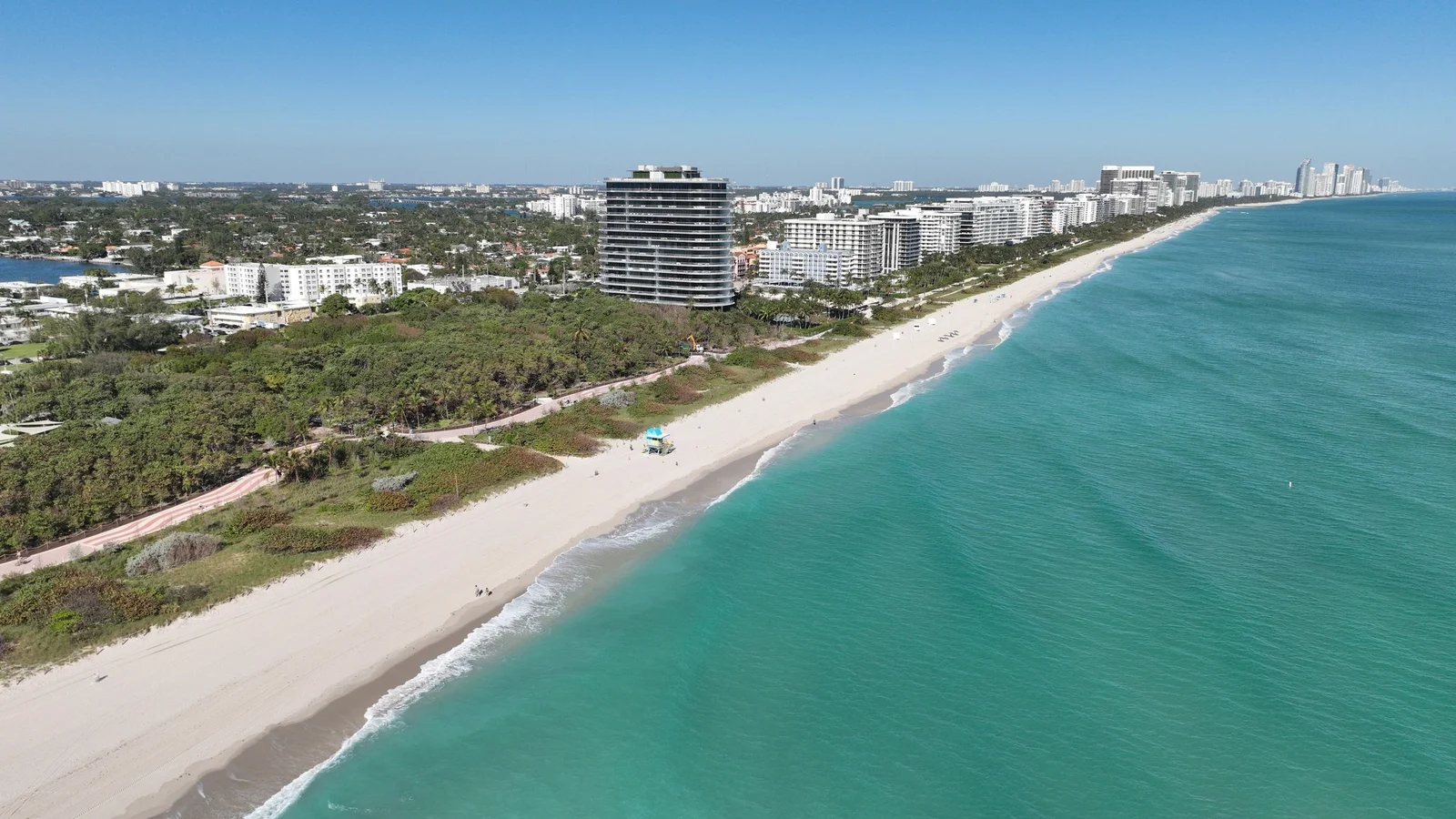
Foreign national mortgage Florida: 25-30% down, DSCR and portfolio loans, ITIN options, rates, docs, and lender checklist for international buyers in 2026.
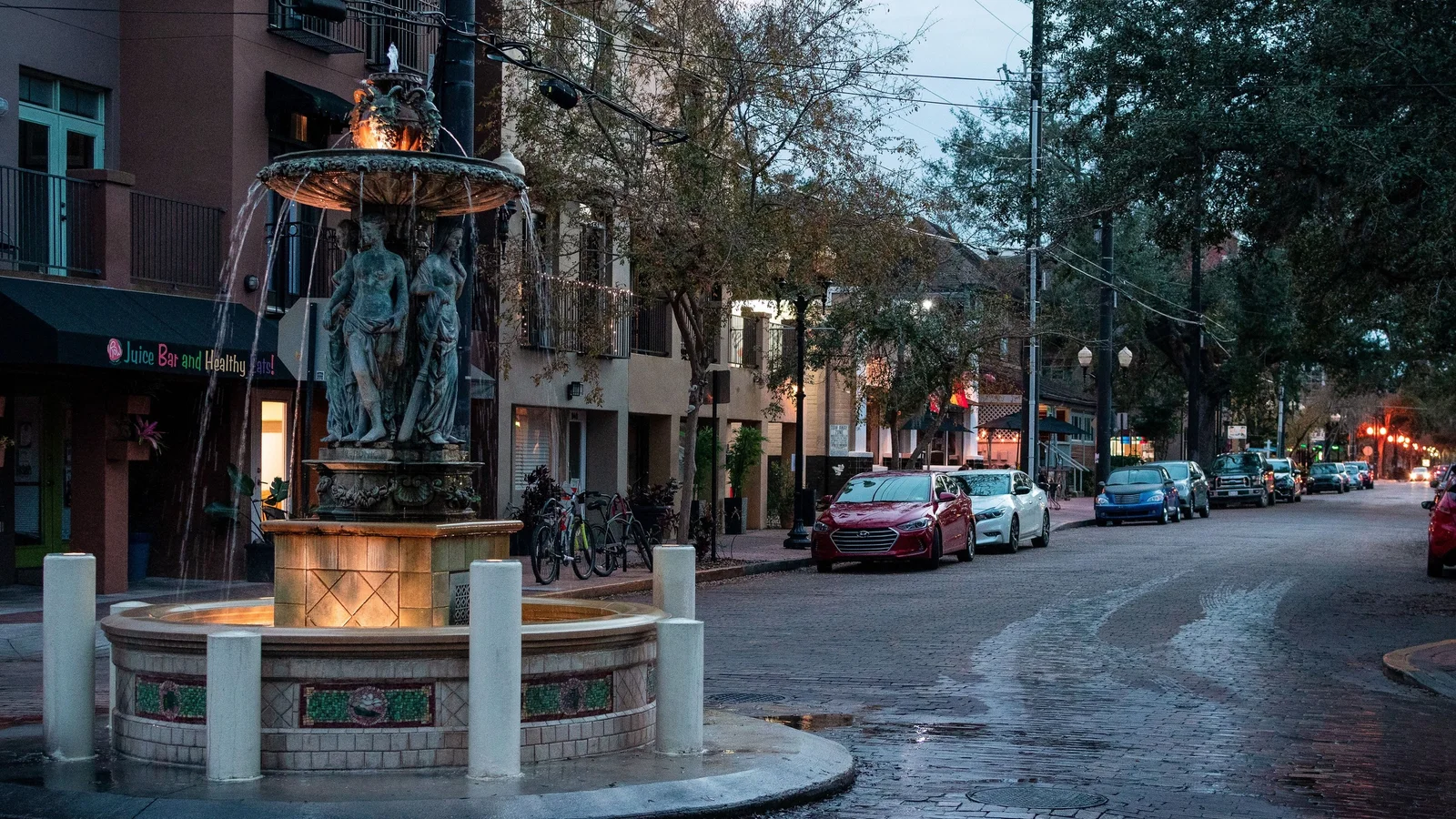
How DSCR loans work for Florida investment property: ratio math, down payment, rates, STR income docs, foreign buyers, LLC vesting, 2026 lender criteria.
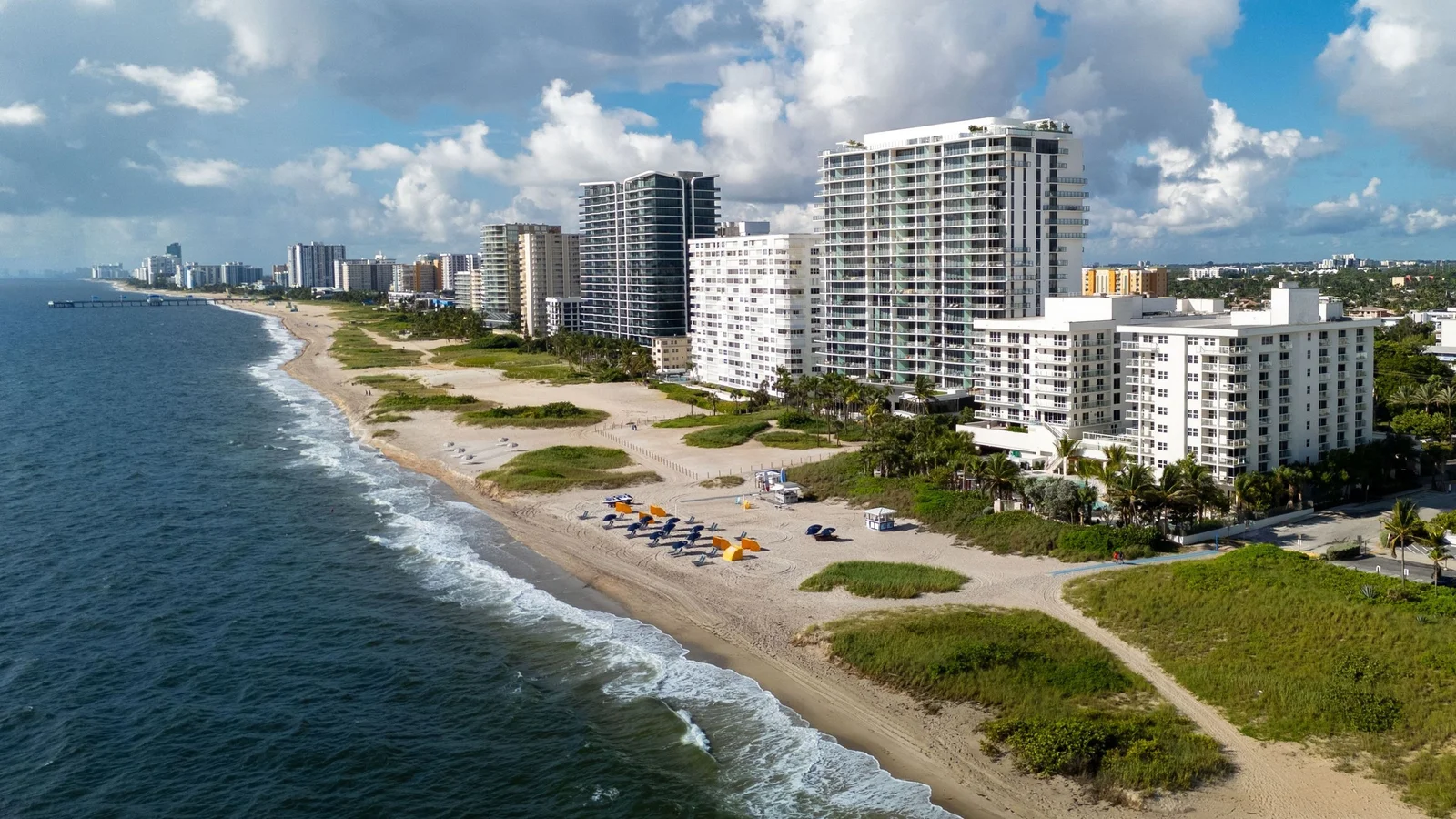
Down payment rules for foreign buyers in Florida: 25-35% DSCR, 30-40% portfolio, cash condos, gift funds, FinCEN reporting, and lender reserves in 2026.
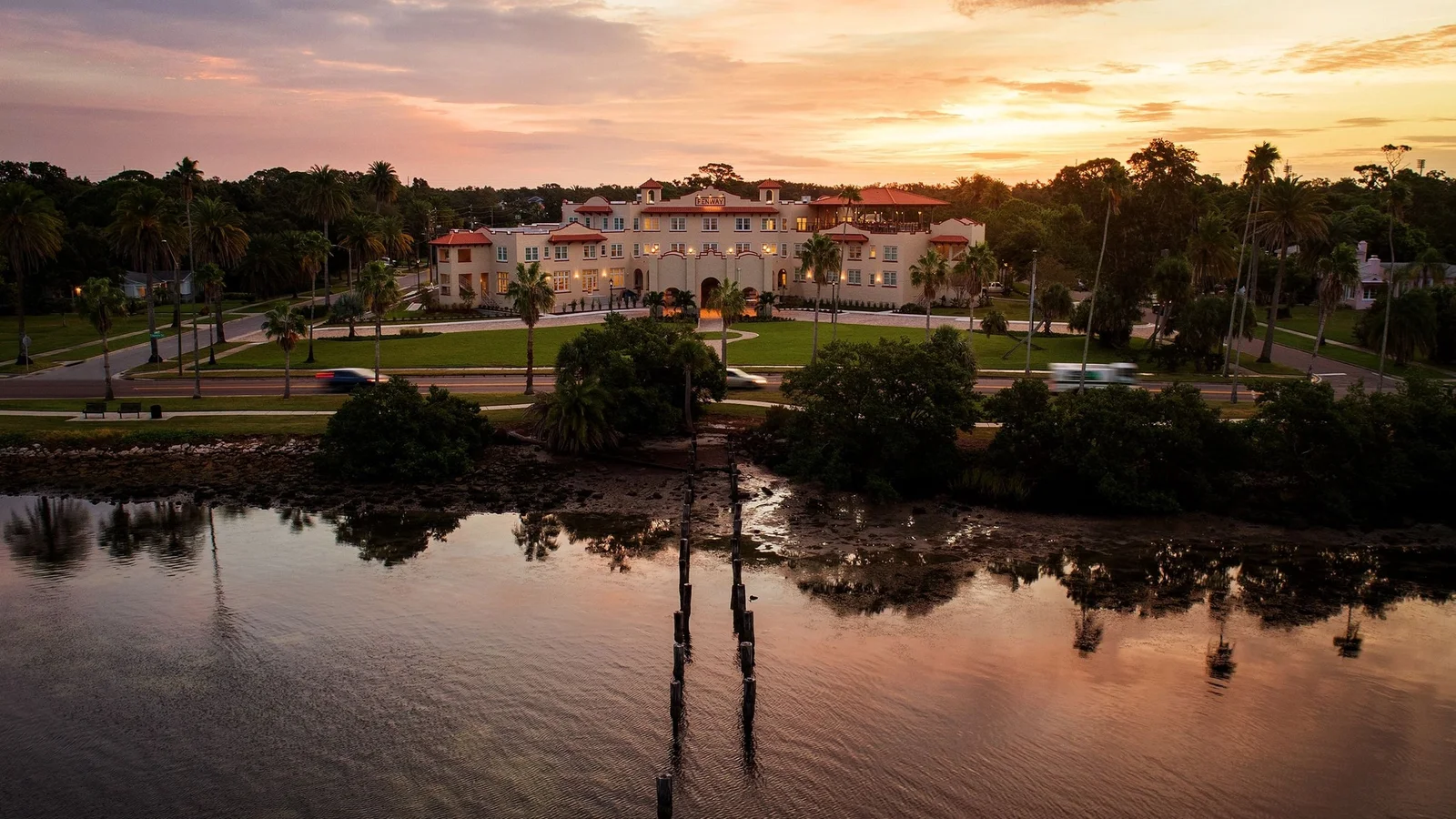
Florida property taxes for Canadian buyers: non-homestead millage, Form 8840, treaty credits, FIRPTA, and cross-border entity traps in 2026.

Florida vs Texas for Mexican investors: no state income tax, hurricane vs inland risk, STR depth, SB 4-D condos, net yields, and cross-border allocation.
What turns a gross quote into a net number.
How to calculate cap rate on Florida rentals: NOI formula, Orlando STR and Tampa LTR examples, STR tax, insurance bands, and cash-on-cash comparison.
Gross vs net rental yield formulas for Florida property with step-by-step worked examples. Convert brochure gross yields to realistic net NOI by metro.
Florida property management fees for investors: STR 20-25%, LTR 8-12%, lease-up costs, vendor markups, and metro tables that shape net rental yield.
Florida property insurance for investors explained: Citizens vs private wind, FEMA flood zones, HO-6 condo coverage, and net yield impact by metro in 2026.
Citizens Property Insurance for Florida investors: eligibility, takeouts, wind and flood gaps, HO-6 vs master policy, and bindable quotes before closing.
Florida hurricane flood zones for investors: FEMA AE and VE maps, wind deductibles, mandatory flood insurance, and coastal vs inland underwriting by metro.
Florida condo vs single-family rental yield by metro: net bands, HOA drag, STR rules, and when each asset class wins for investors in 2026.
Honest answer on Florida condo investing in 2026: SB 4-D, insurance, HOA, net yield bands, when condos beat SFR, and when to walk away.
SB 4-D, reserves, assessments and how to read the documents.
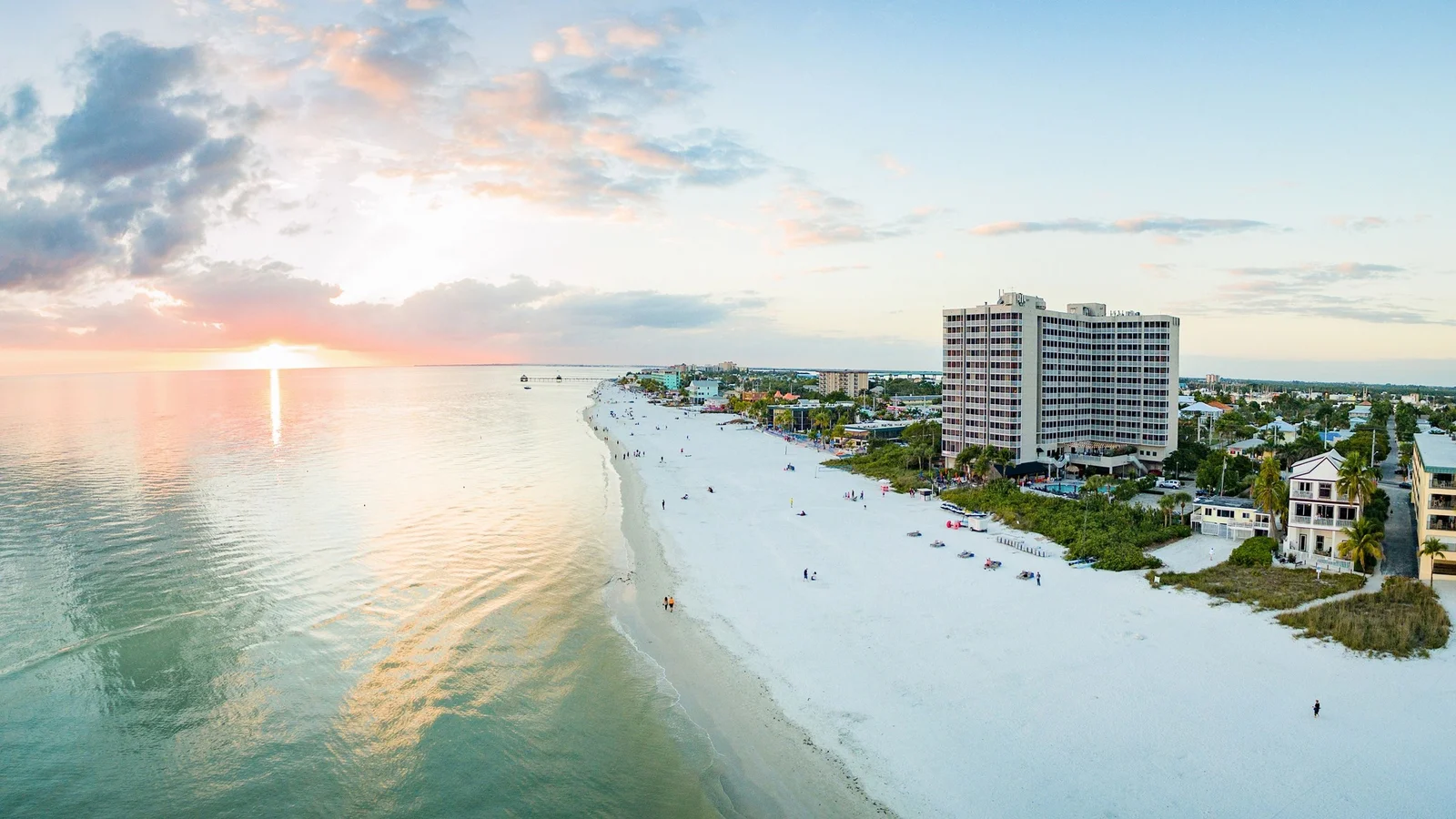
SB 4-D condo milestone inspections in Florida: building-age deadlines, SIRS reserves, special assessments, red flags, and documents to request before you offer.
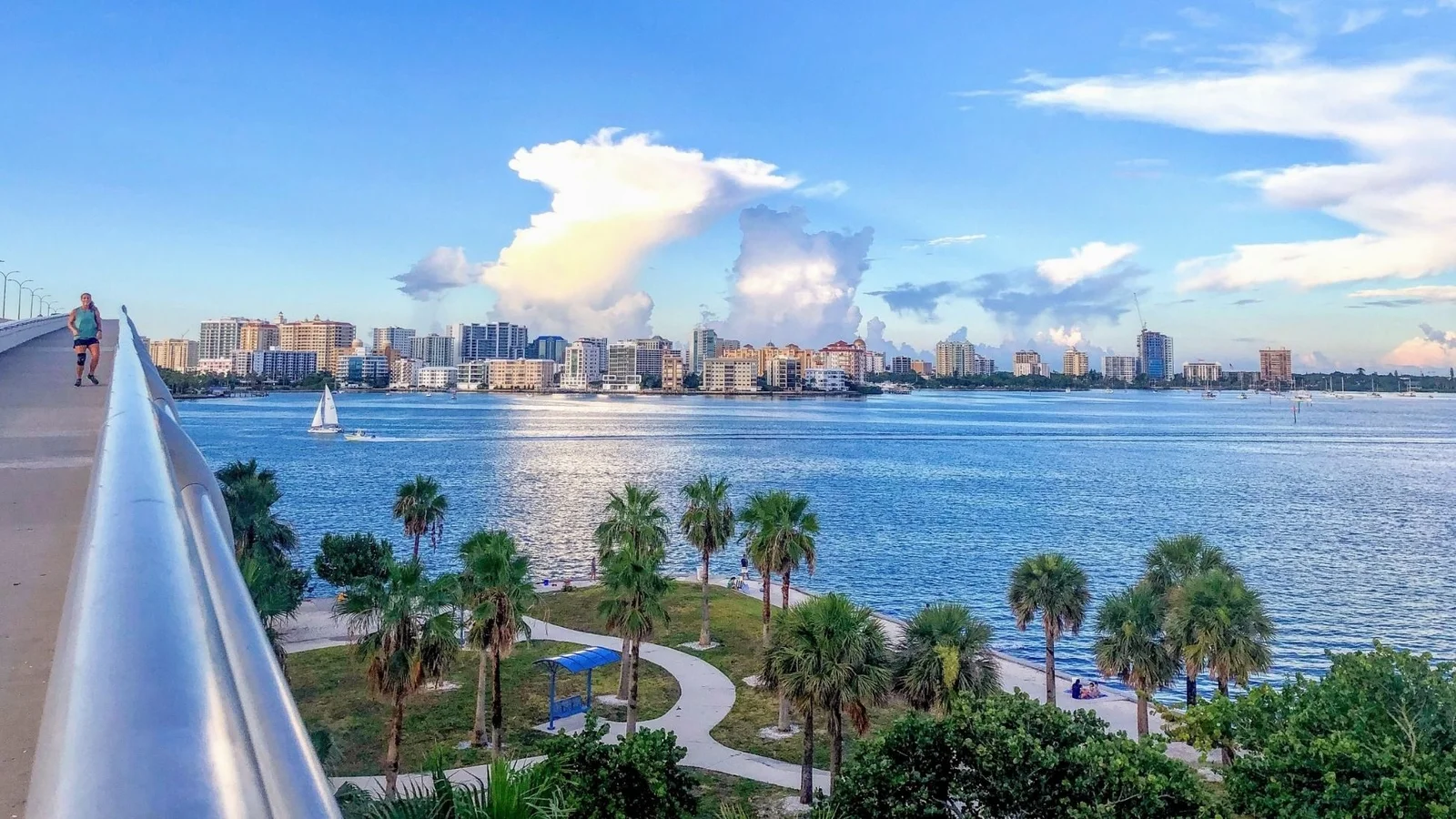
Florida condo special assessments: SB 4-D triggers, per-unit costs, payment plans, closing liability, and documents to request before you offer.
Where nightly rental works, and what it costs to run.
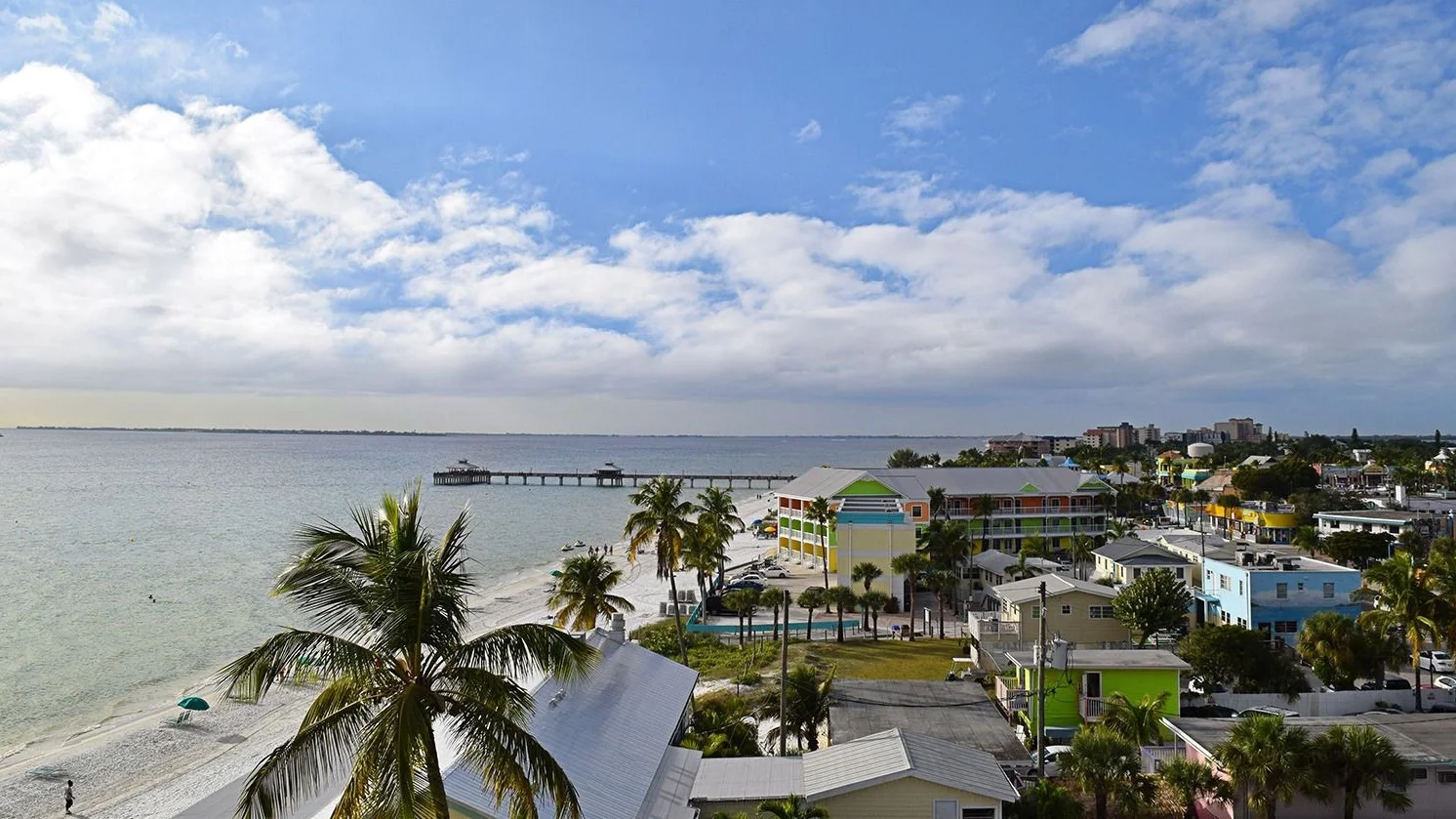
Florida STR rules by county: DBPR license, Osceola overlay, Miami-Dade, Broward, Hillsborough, tax rates, HOA bans, Celebration case study, investor checklist.
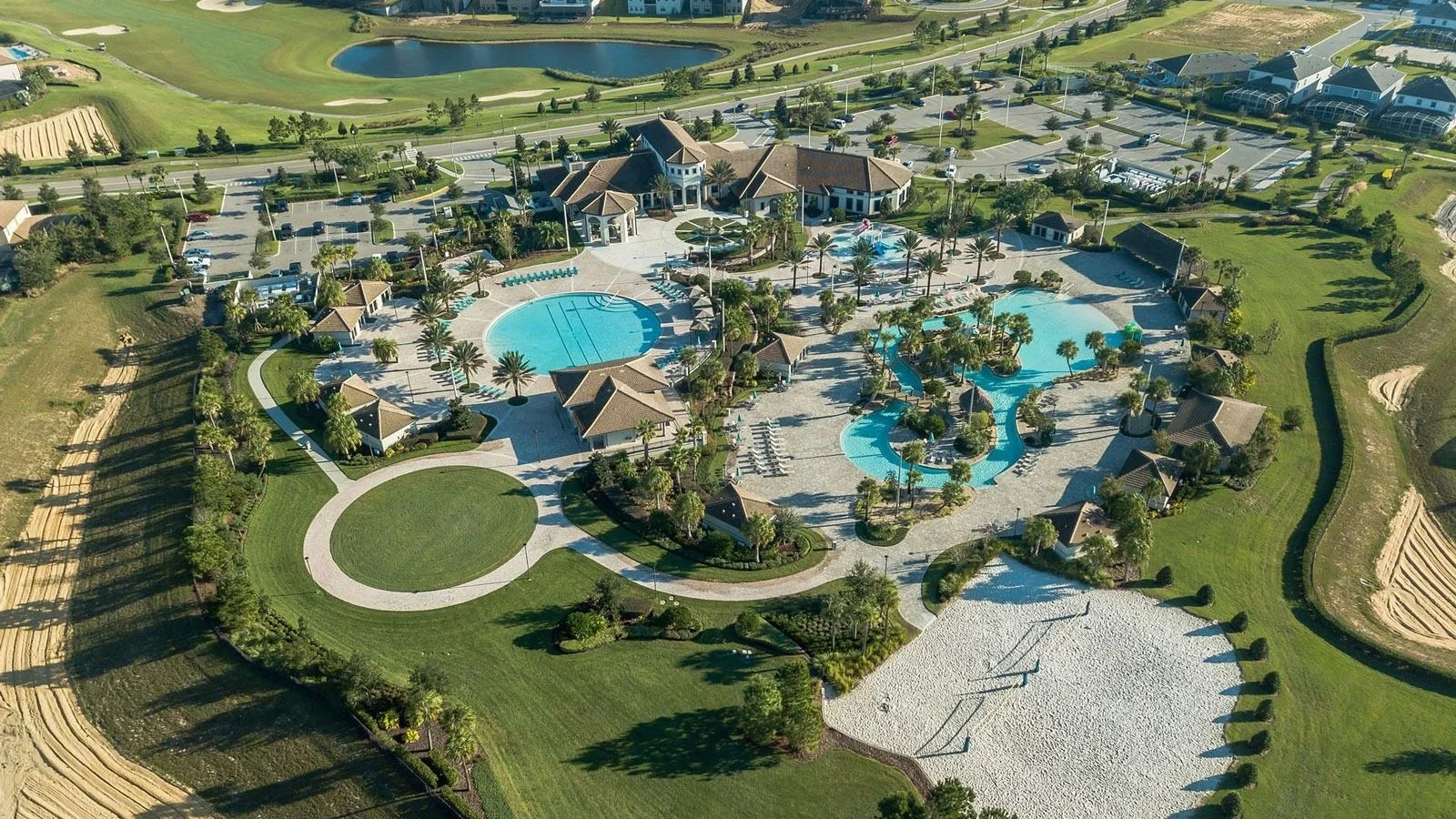
Ranked Orlando STR communities: Reunion, Windsor Hills, Storey Lake yields, 13% TDT, DBPR license, overlay rules, and pages already in Google.
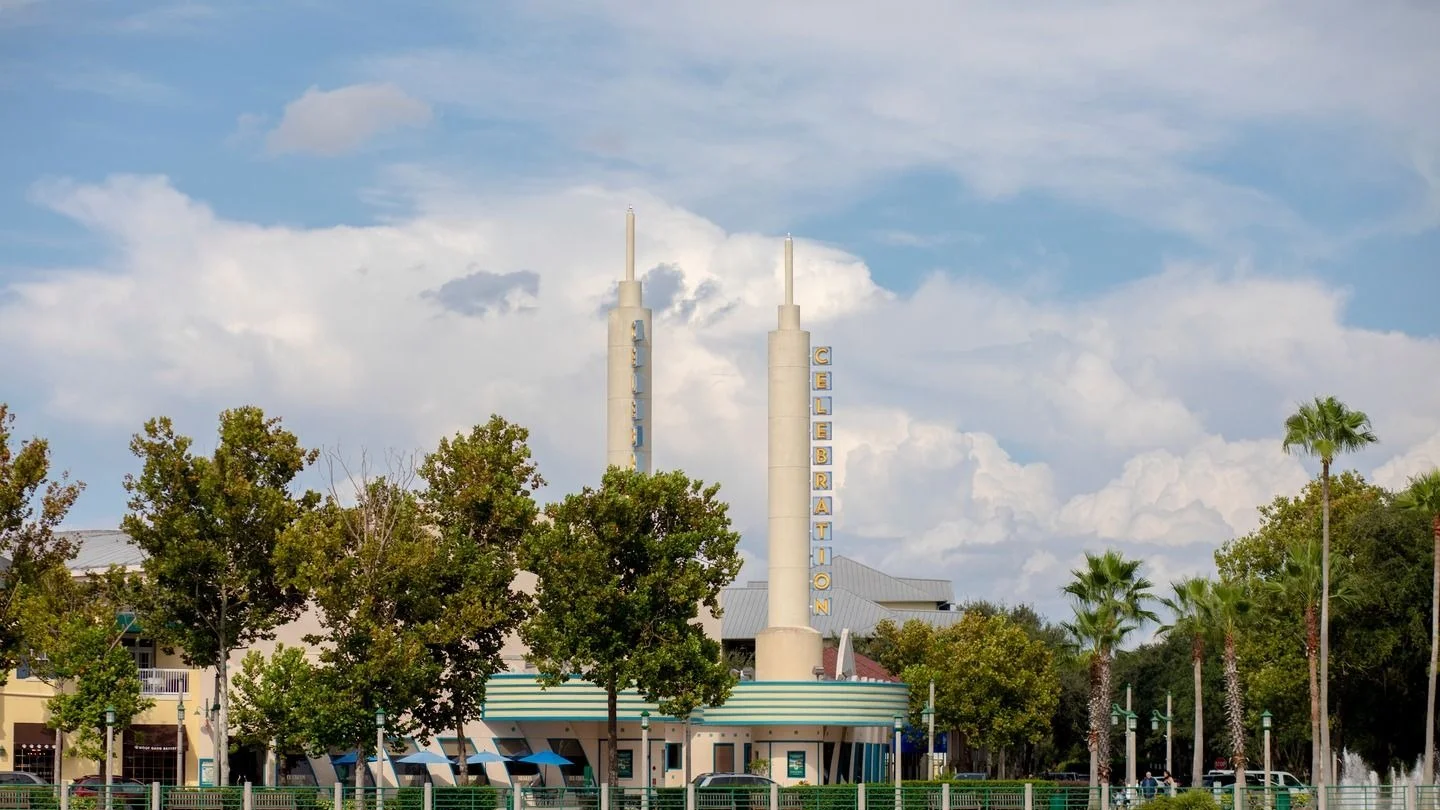
Celebration Florida bans short-term rentals: deed restrictions, Osceola zoning, no STR overlay, fines, and where investors should buy instead near Disney.
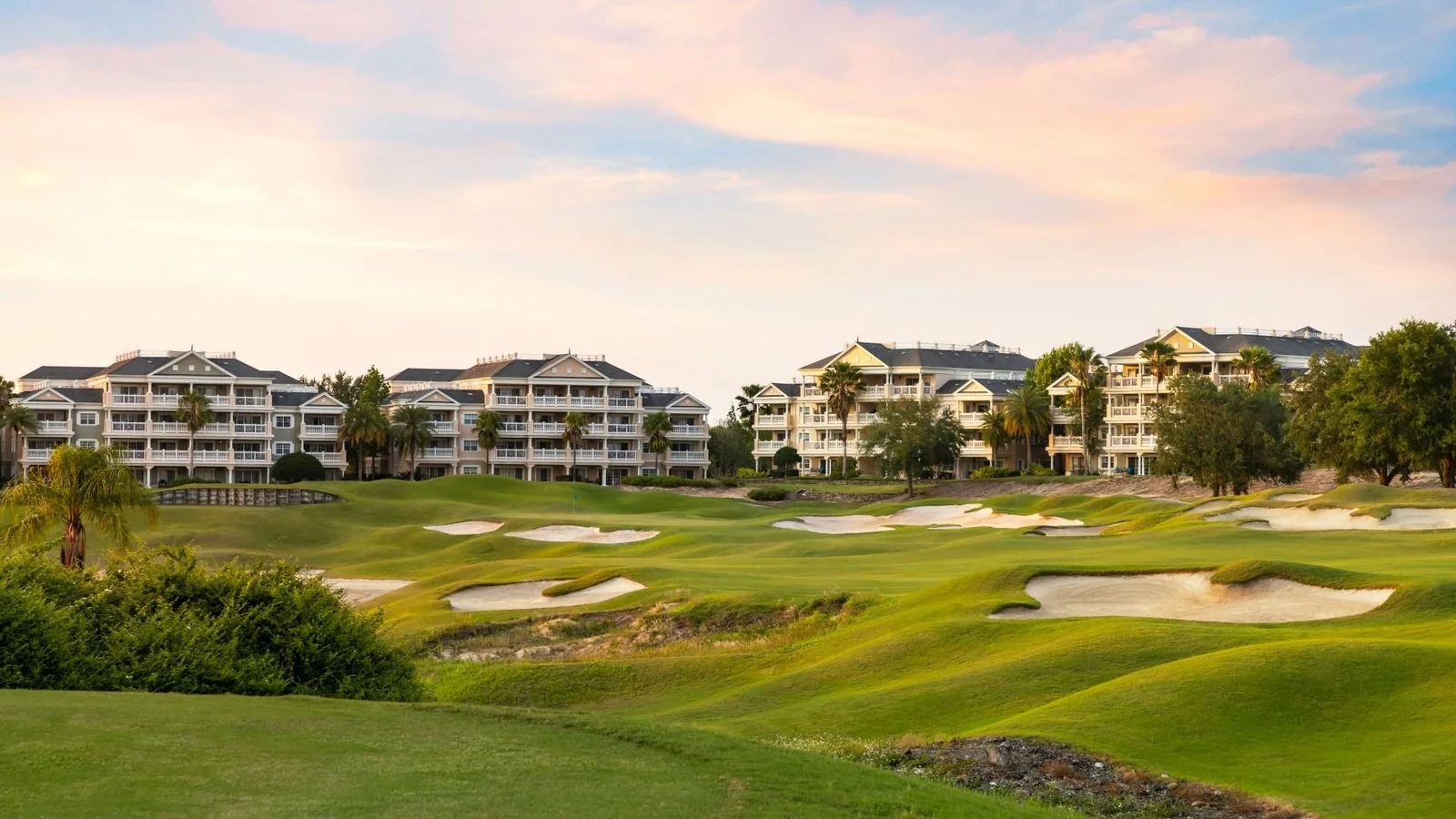
Reunion Resort Orlando investment review: STR yields, Osceola rules, HOA tiers, World Cup demand, vs Windsor Hills, and net math for pool-home investors.
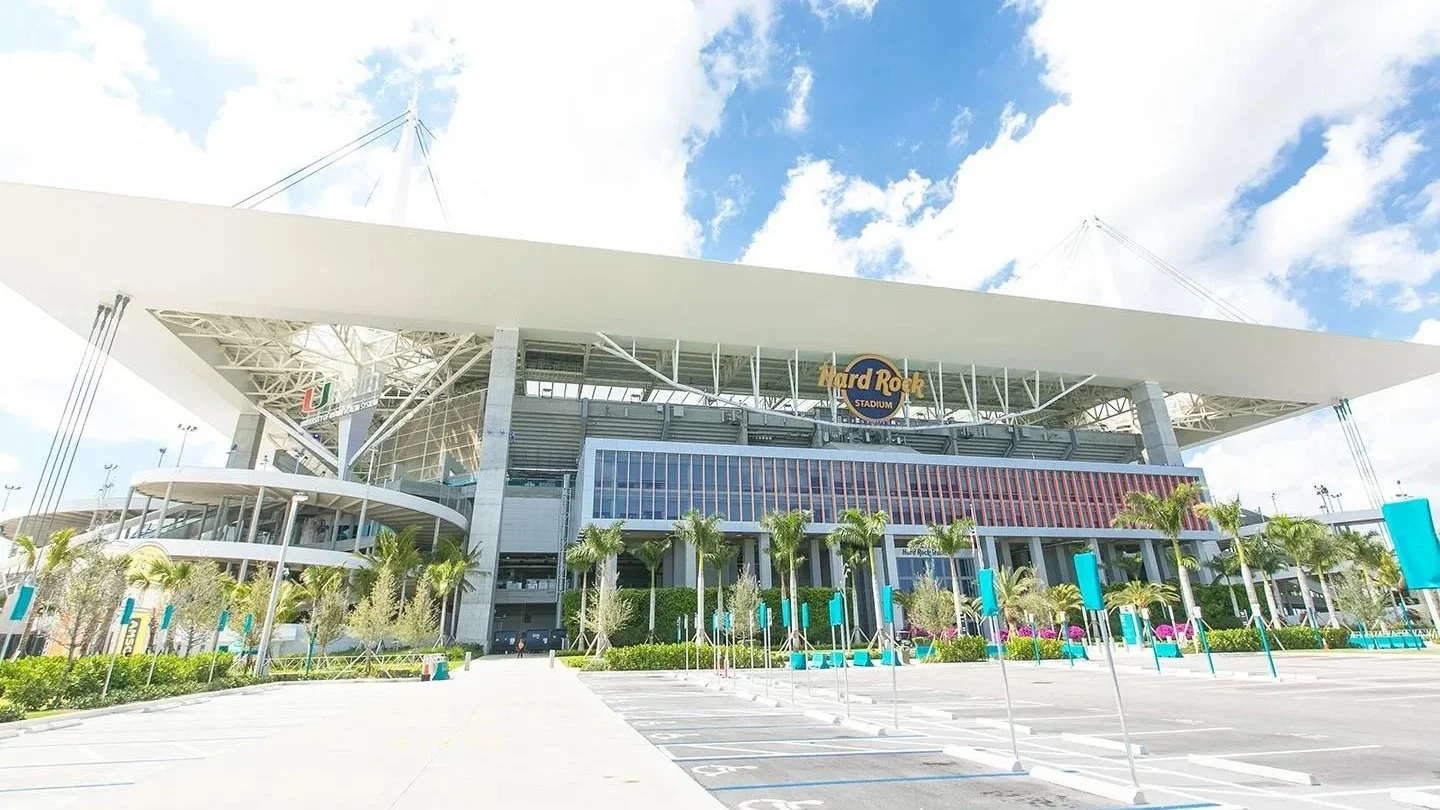
World Cup 2026 Florida rental demand for investors: Miami and Orlando match windows, STR rules, pricing discipline, and net scenarios . not hype.
Where to buy, by metro and by segment.
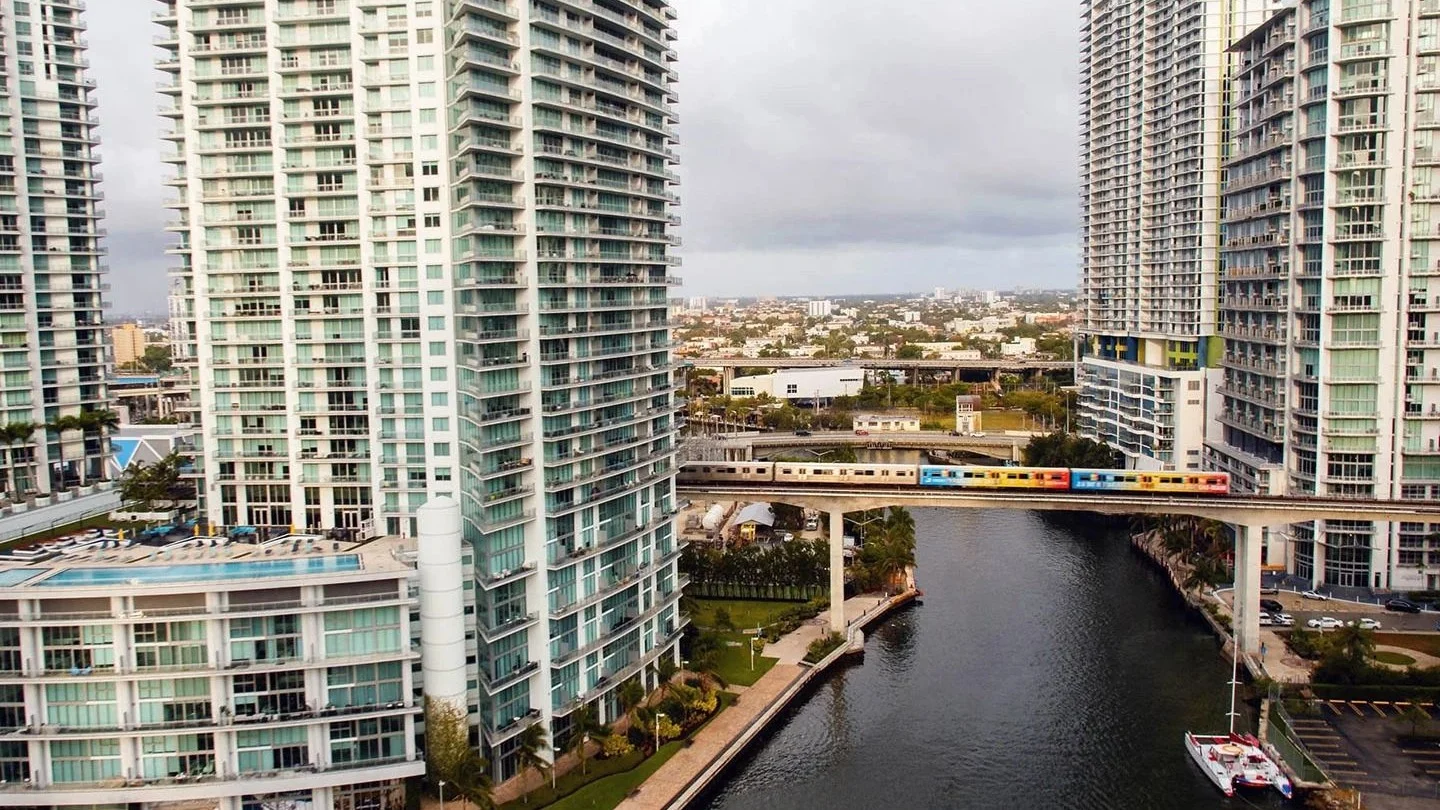
Ranked Brickell condo picks for buyers: Icon, Plaza, 500 Brickell net yield bands, HOA rules, SB 4-D status, and who each tower suits in 2026.
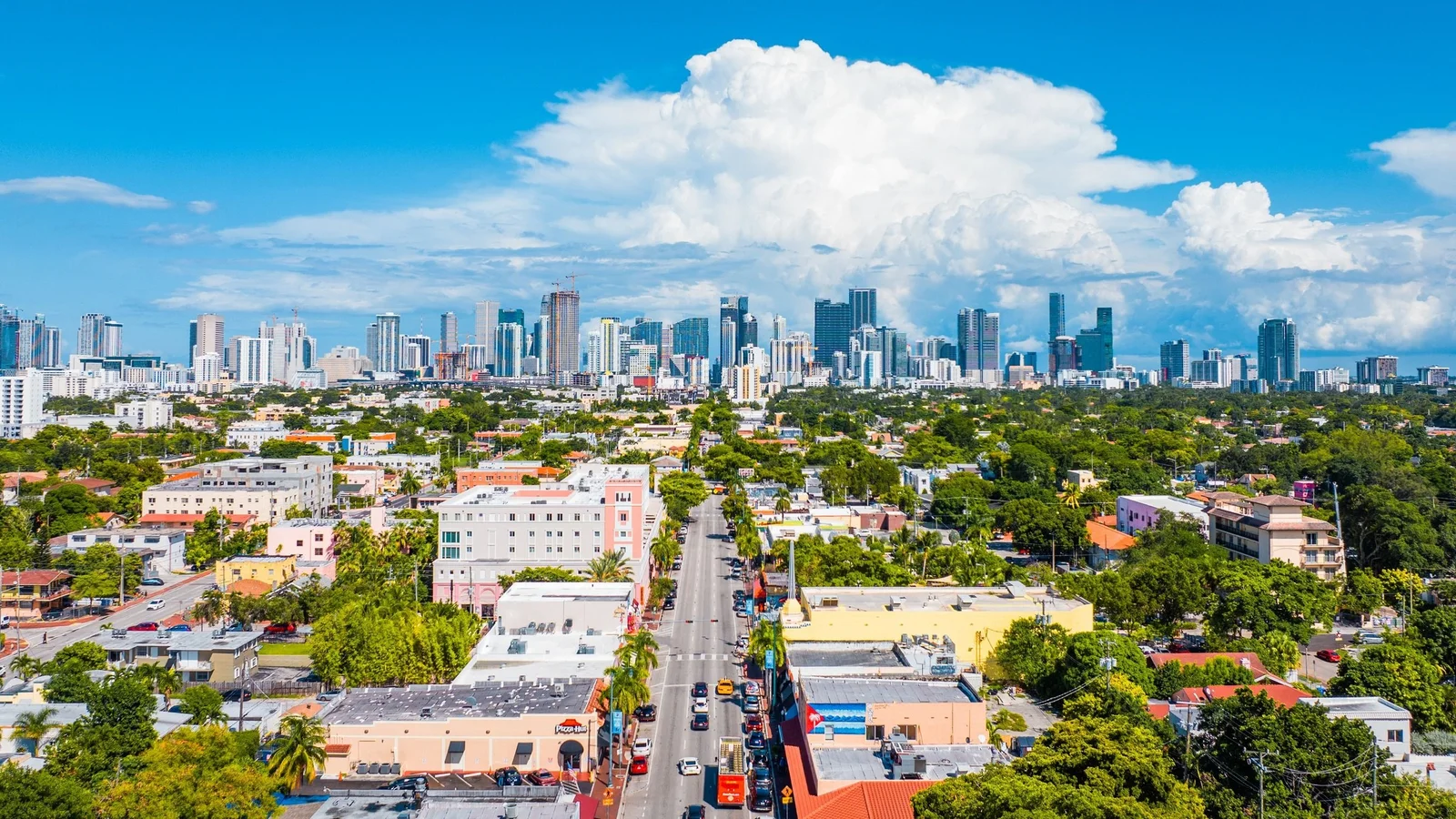
Five Miami condos under $500K ranked on net yield: Opera Tower from $248,500, 500 Brickell, Plaza on Brickell. HOA, SB 4-D and rental rules checked.
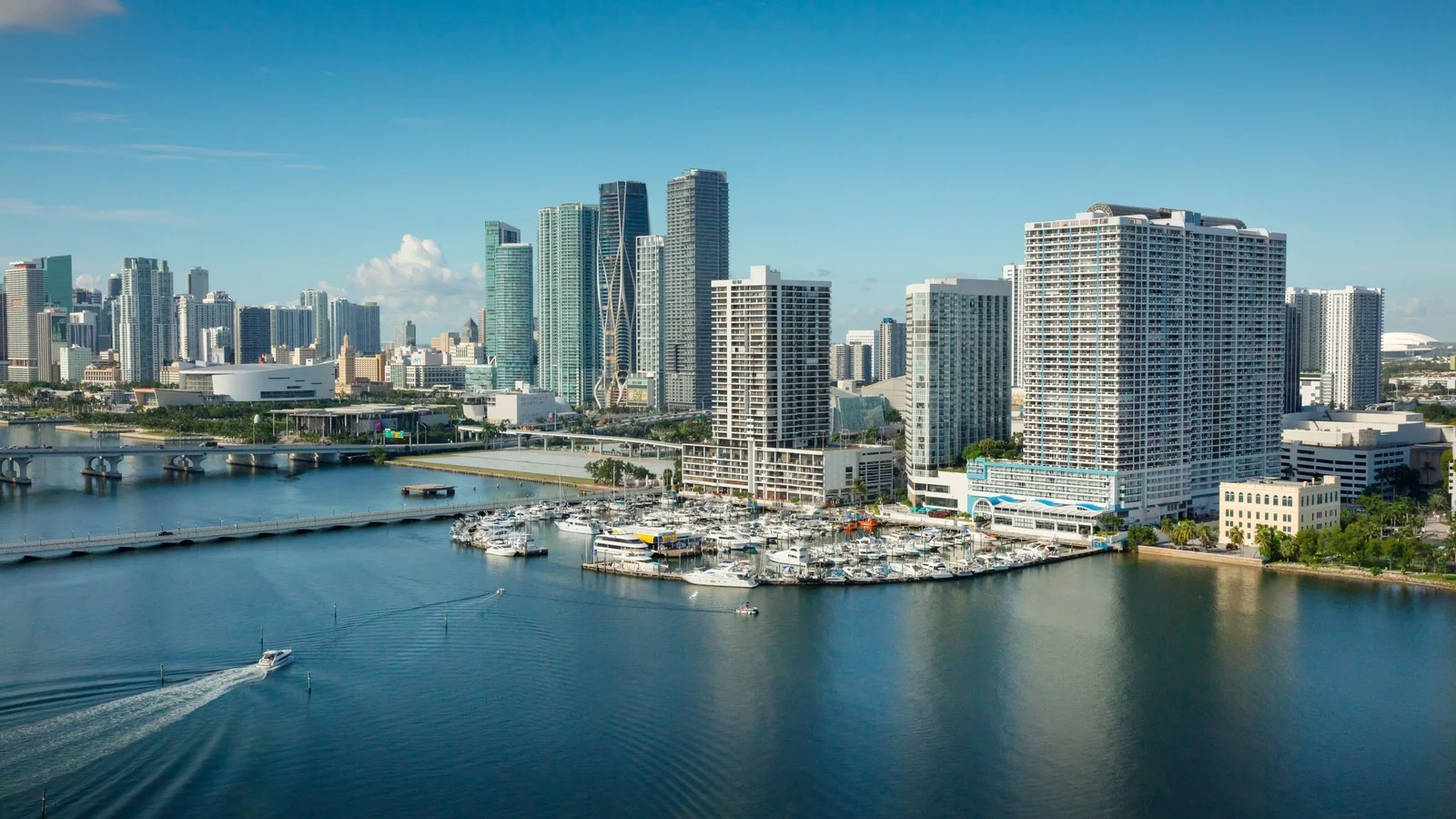
Edgewater Miami condo yields ranked: Opera Tower from $248K, Elysee, Bay House net bands, HOA rules, SB 4-D timelines, and STR cautions for 2026.

Miami vs Fort Lauderdale for investors: condo yields, SB 4-D risk, insurance, STR rules, entry price, and who each metro suits in 2026.
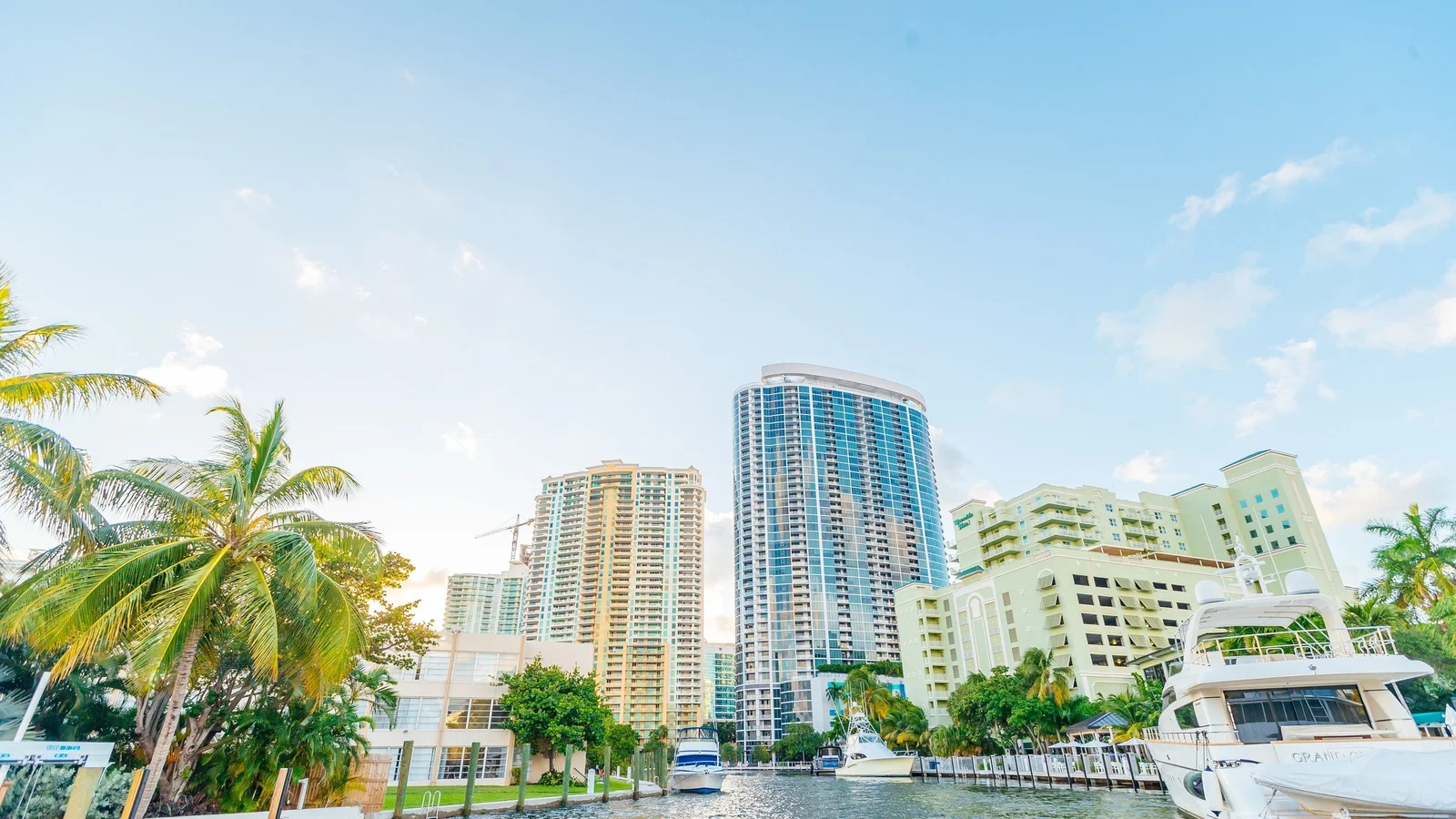
Fort Lauderdale condo investment: downtown vs beach yields, Lauderdale Tower from $285K, Auberge ultra-luxury, Broward tax, SB 4-D, and net scenarios for 2026.
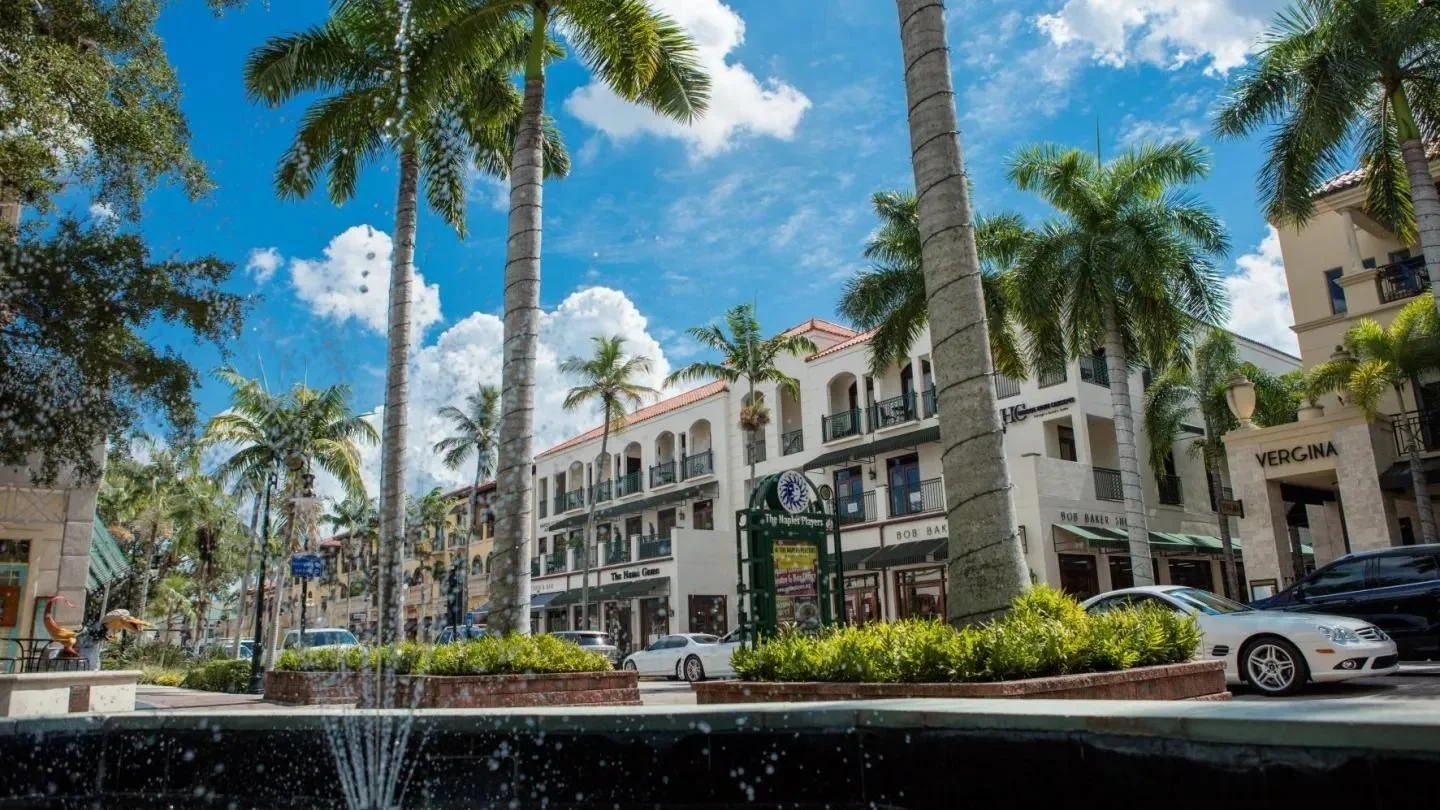
Naples vs Sarasota for investors: Gulf coast yields, Canadian snowbird demand, insurance, condo vs SFR, and entry price bands in Collier vs Sarasota counties.
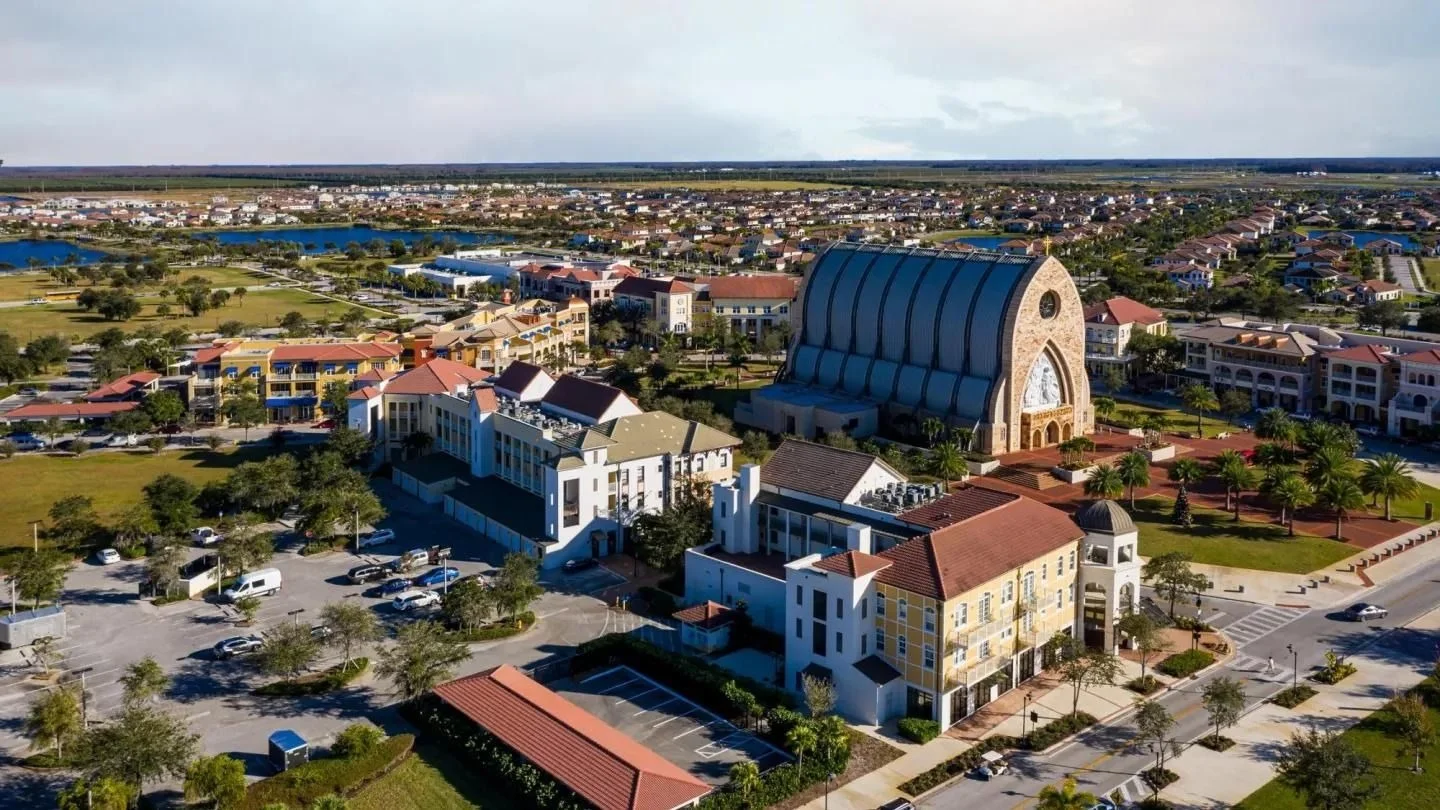
The 80 percent rule and two-yearly age verification are federal law, not community policy. They shape who may live there, who may visit and whether you may let.
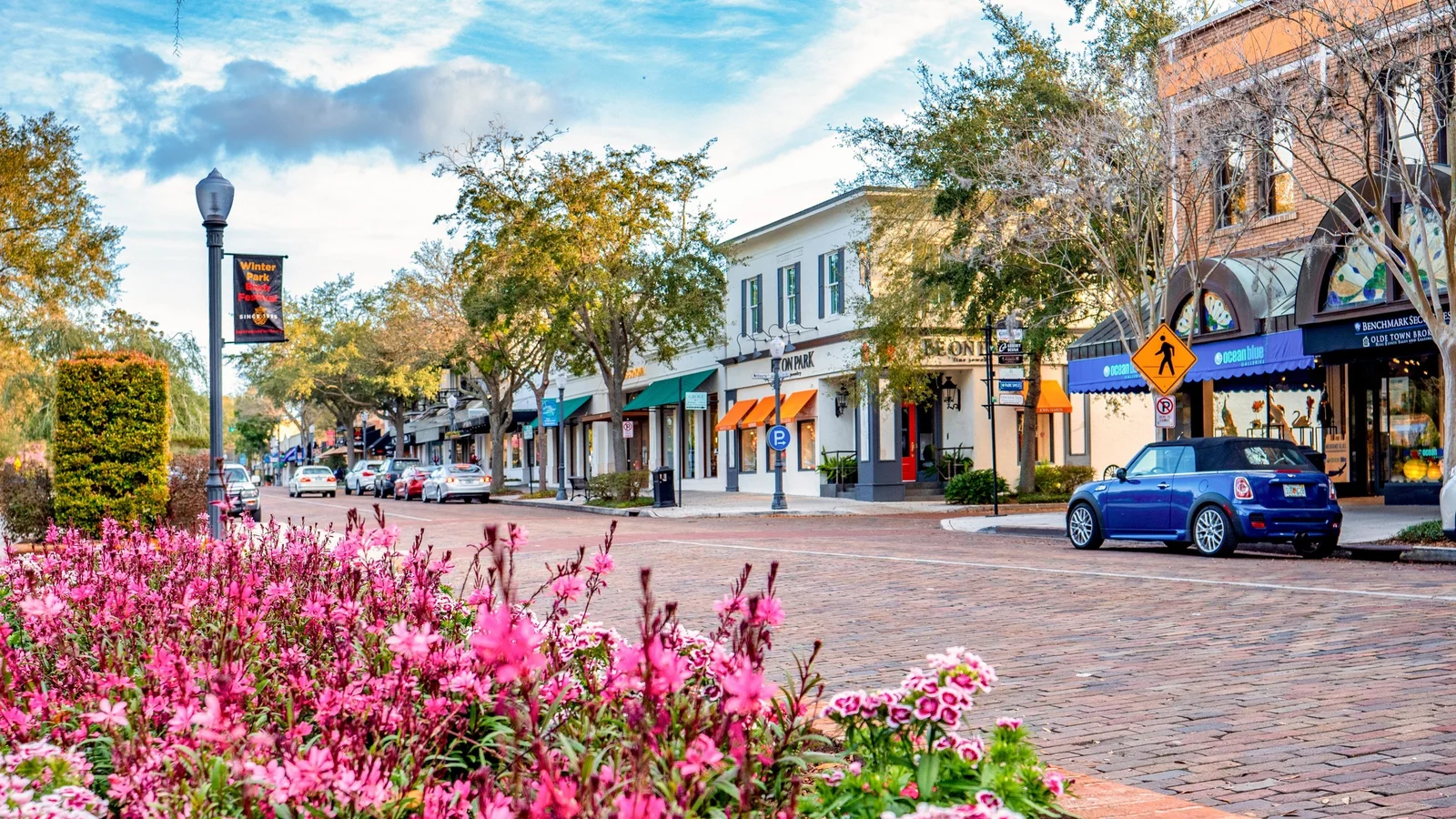
We compare Florida cities on what we can verify: coast, county, inspection regime, housing stock and entry prices. Not on rankings we cannot source.
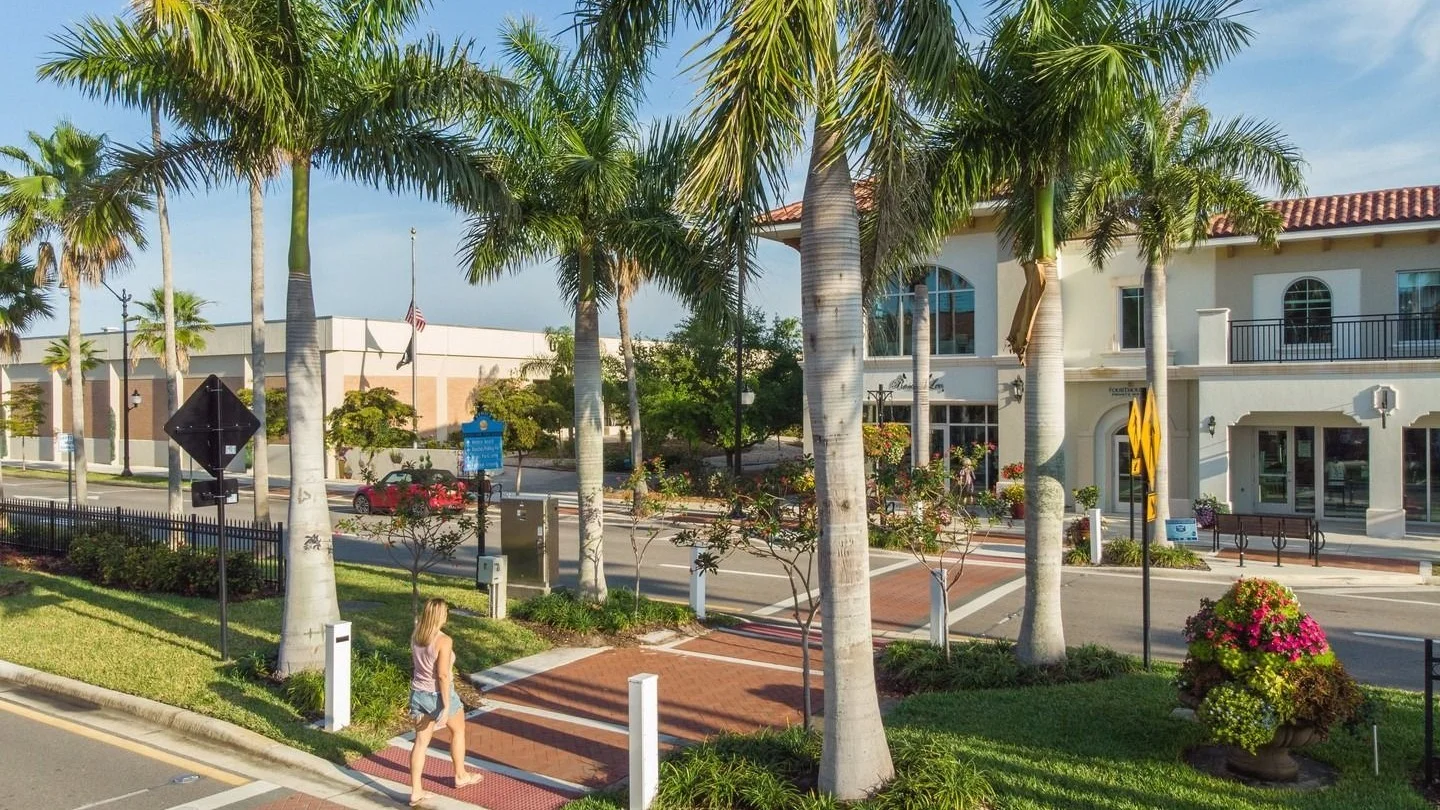
Retirement cost in Florida is decided by three things: homestead and the assessment cap, insurance exposure by coast, and how many fee lines the housing has.
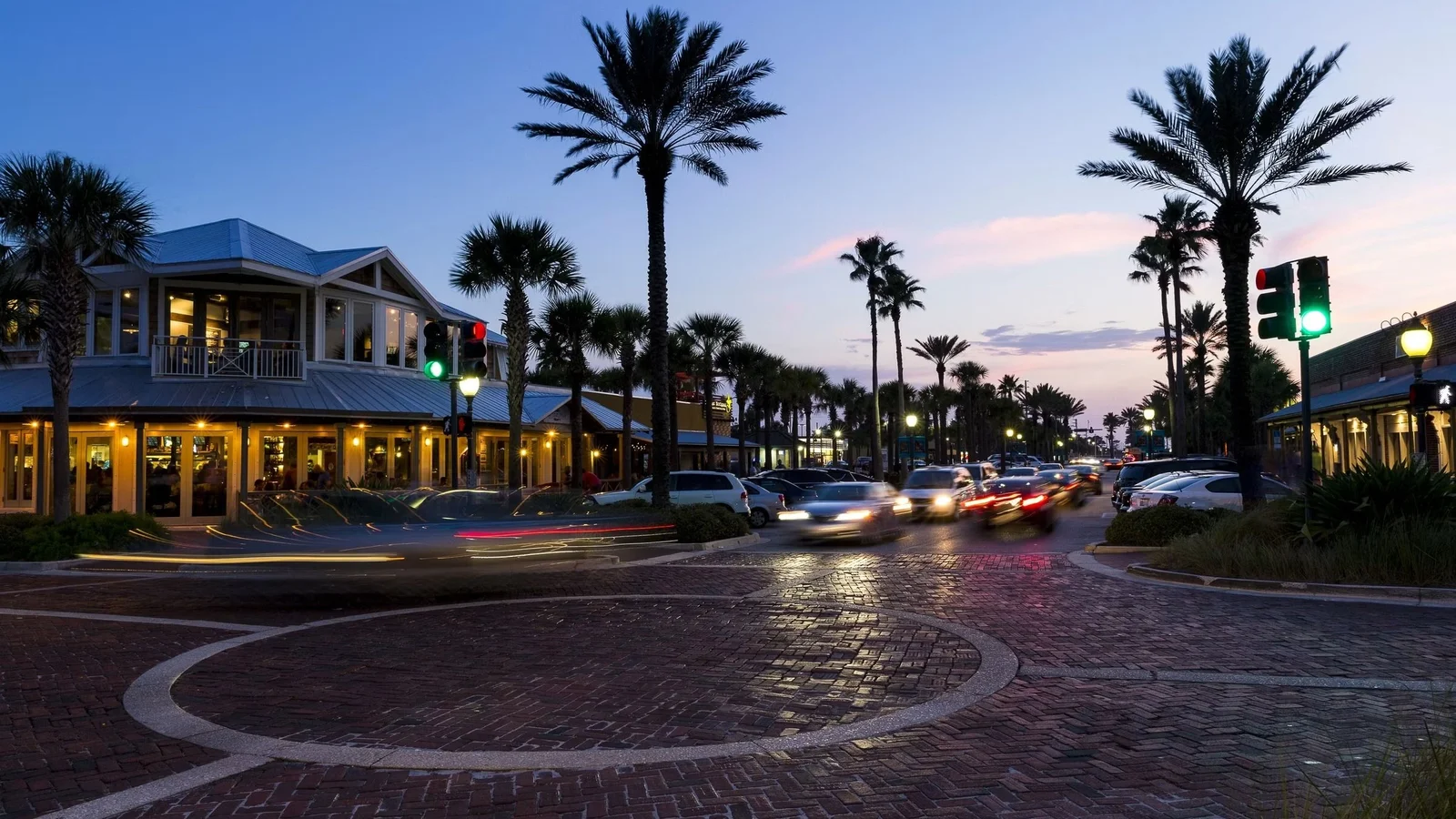
No state income tax is the easy part. The move turns on homestead, the insurance quote, and fee structures other states do not have.
It depends entirely on what you buy. Florida condo values are down roughly 9.9% statewide with supply at 8.8 to 13.2 months, which has created genuine buying conditions for the first time in years. But the same forces that cut prices, SB 4-D reserve funding and repriced insurance, also raised carrying costs. A well-reserved building at a reduced price can work; an underfunded one at any price usually does not.
Gross yields run roughly 3% to 10% depending on market and strategy. Net yields typically land near 2% to 5% after HOA, non-homestead property tax, insurance, management at 20% to 25%, and vacancy. Central Florida short-term rental and lower-entry markets such as Lakeland and Ocala sit at the higher end; Miami and Naples condos at the lower end, where the case is appreciation and liquidity rather than cash flow.
Yes. There is no citizenship, visa or residency requirement to own US real estate, and the purchase can be completed remotely. The practical constraints are financing, where foreign national mortgages typically require 25% to 30% down, FIRPTA withholding of 15% on eventual sale, no homestead exemption, and SB 264 restrictions that apply to buyers from specific countries.
Underwriting from gross rent. The fee stack in Florida is unusually heavy and unusually volatile: association insurance, SB 4-D reserve contributions, the non-homestead assessment cap, tourist development tax on short-term rentals, and CDD assessments on newer master-planned communities. A model that starts from a nightly rate and applies a generic expense ratio will be wrong by a wide margin.
Tell us your budget and market. We reply within one business day with options matched to your goals.