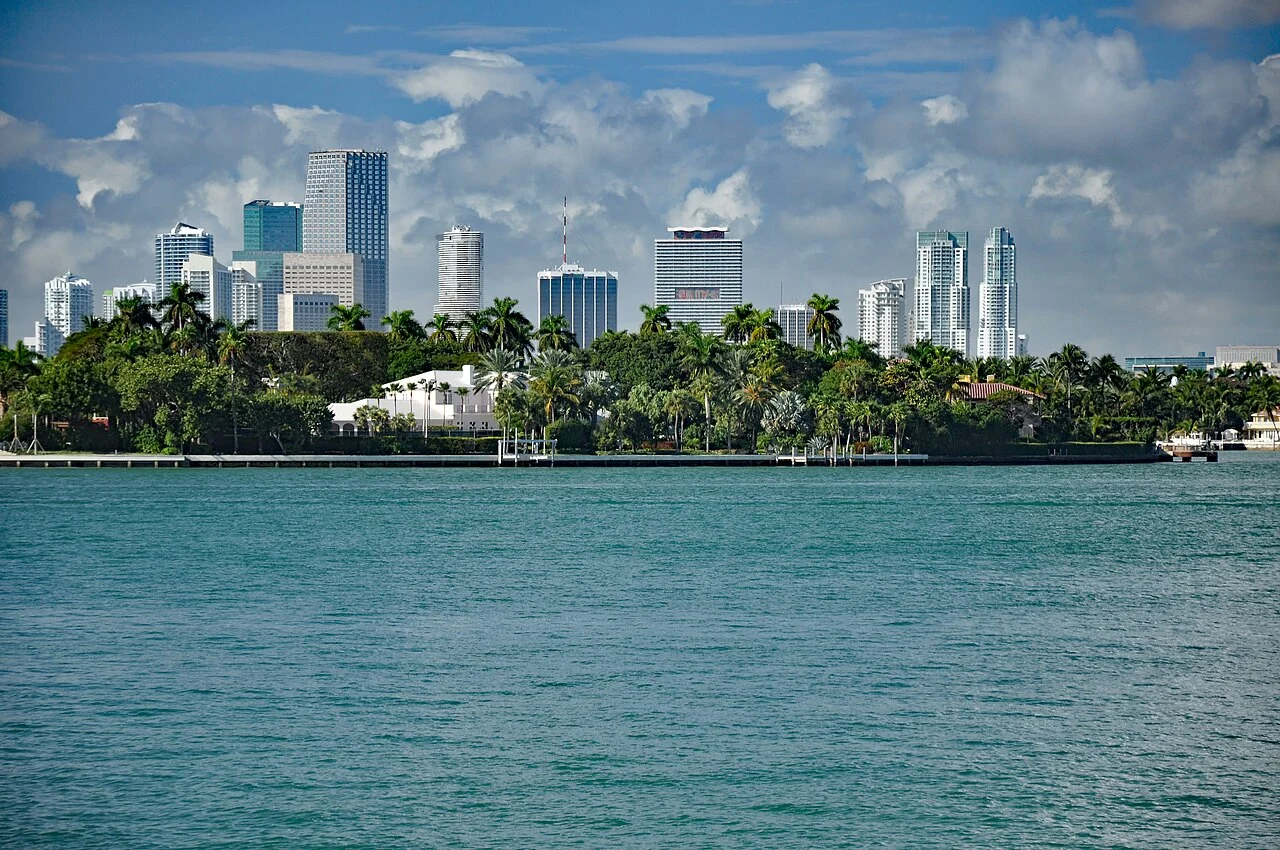
Miami Condos & Homes for Sale: Prices 2026
Miami condos and homes for sale in 2026: median condo $640K, 17-month supply, gross yields 3-5%, STR rules, net scenarios, and submarket picks.
Micro-market research for people choosing a Florida market rather than browsing listings. Each area guide covers what the local numbers actually look like, which county rules govern rental, and which buyer profile the market suits.
Florida is not one market. Miami condos price on appreciation and international liquidity, the Orlando resort corridor prices on nightly rental yield, Tampa Bay on workforce tenancy, and Southwest Florida on seasonal second-home demand, currently through the sharpest price correction in the state.
13 pages · updated October 2026
Higher entry prices, condo-dominated, six-month rental minimums are the norm.
Miami condos and homes for sale in 2026: median condo $640K, 17-month supply, gross yields 3-5%, STR rules, net scenarios, and submarket picks.
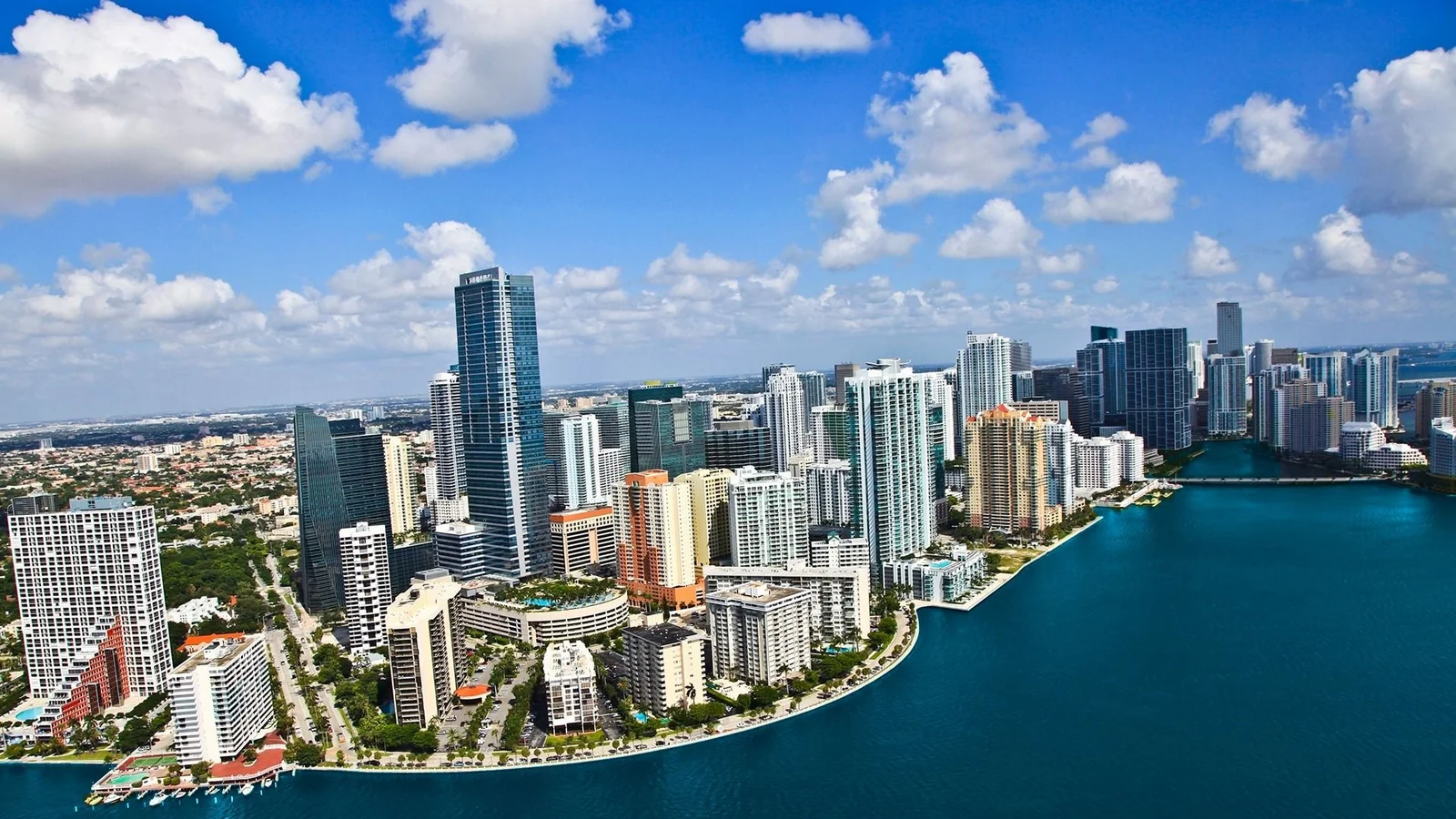
Brickell condos for sale in 2026: median prices, 3-5% gross yields, SB 4-D risk, HOA rules, insurance costs, and net scenarios for foreign buyers.
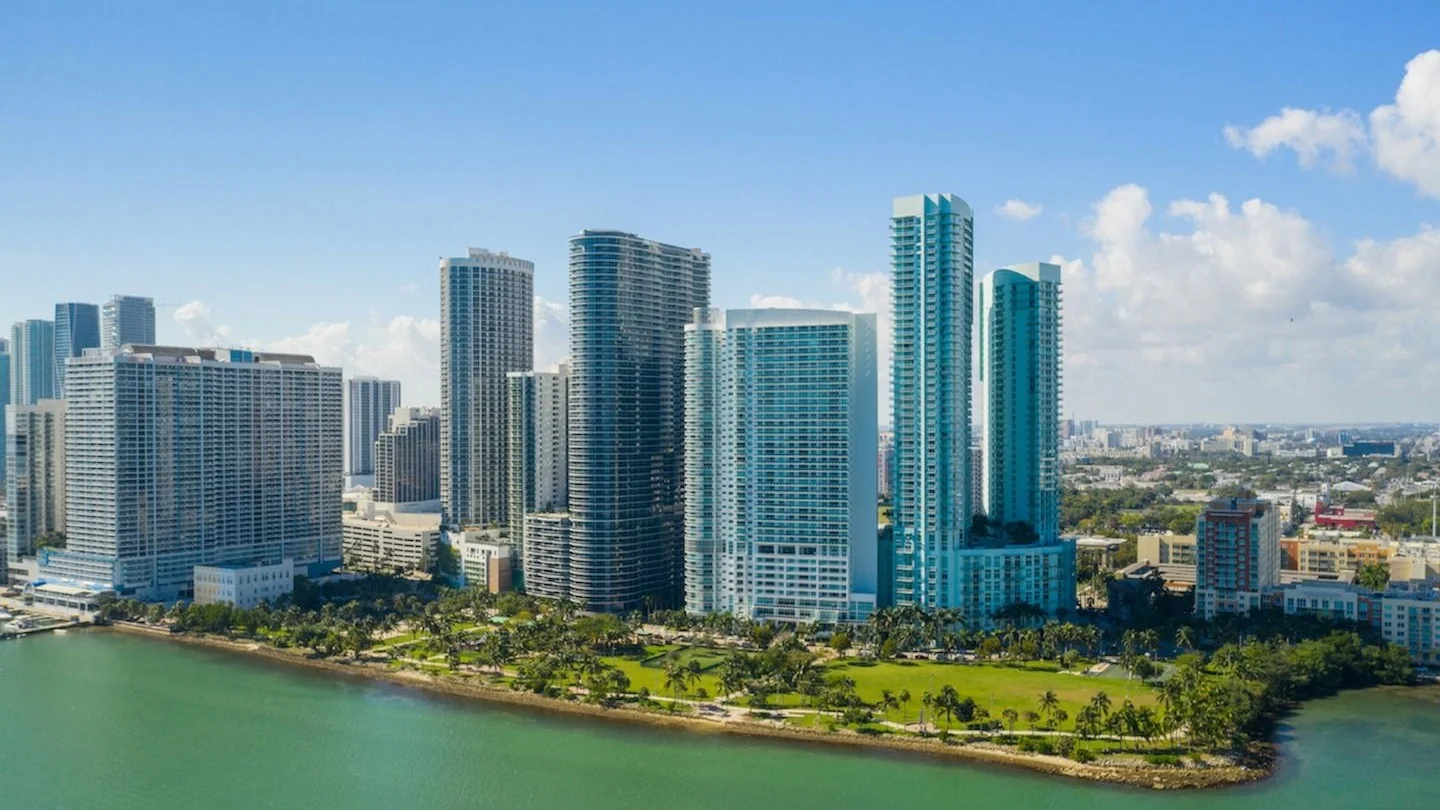
Edgewater condos for sale in 2026: bay-view prices, 3-5% gross yields, Brickell comparison, SB 4-D risk, HOA rules, and net scenarios for buyers.
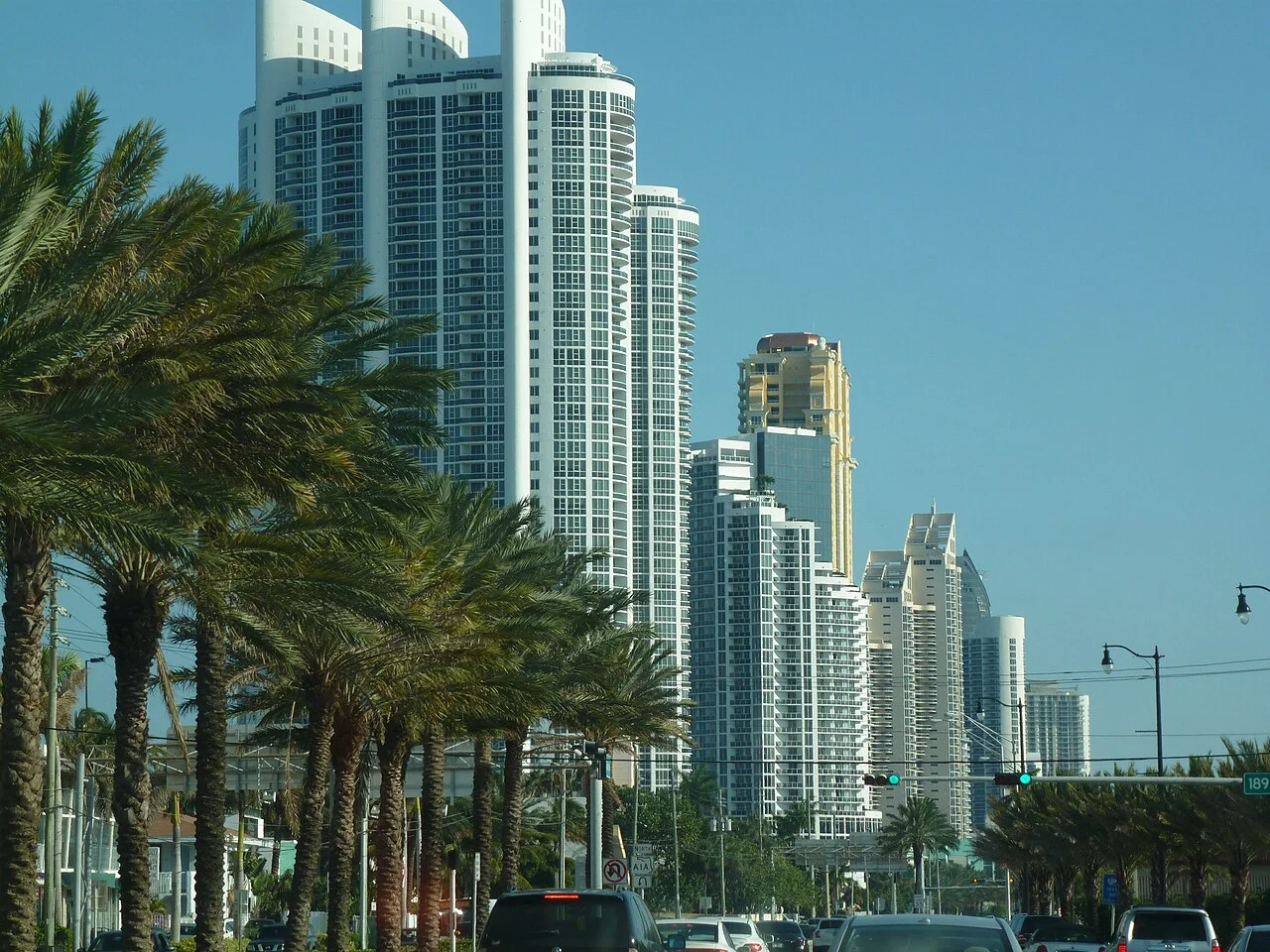
Sunny Isles Beach luxury condos for international buyers in 2026: $500K-$2M+ towers, seasonal rental strategy, SB 4-D checks, and Miami metro comparison.
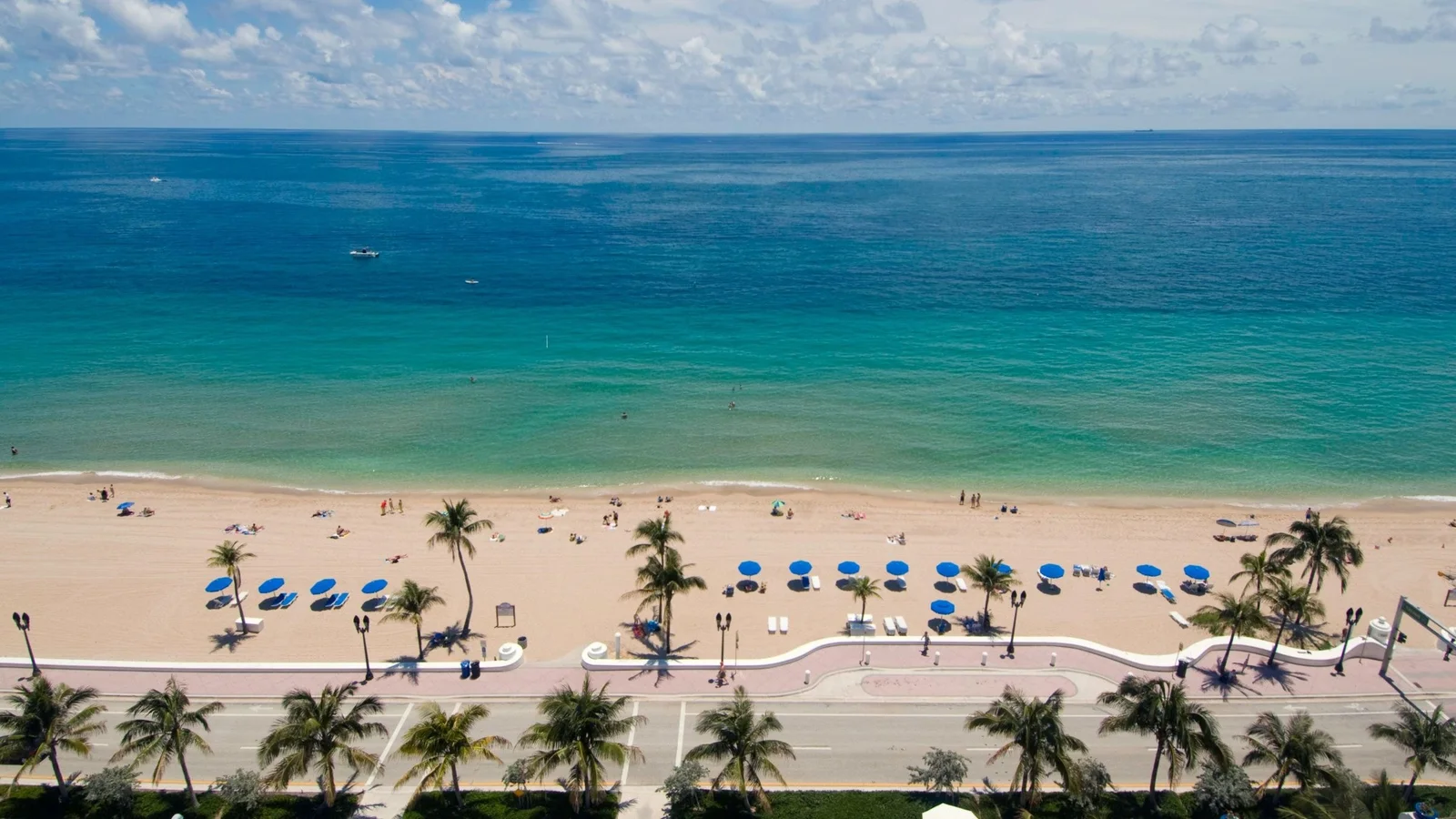
Fort Lauderdale buyer guide 2026: Broward $300K-$800K entry, 4-6% gross yields, snowbird rentals, value vs Miami Beach, submarkets, and net yield math.
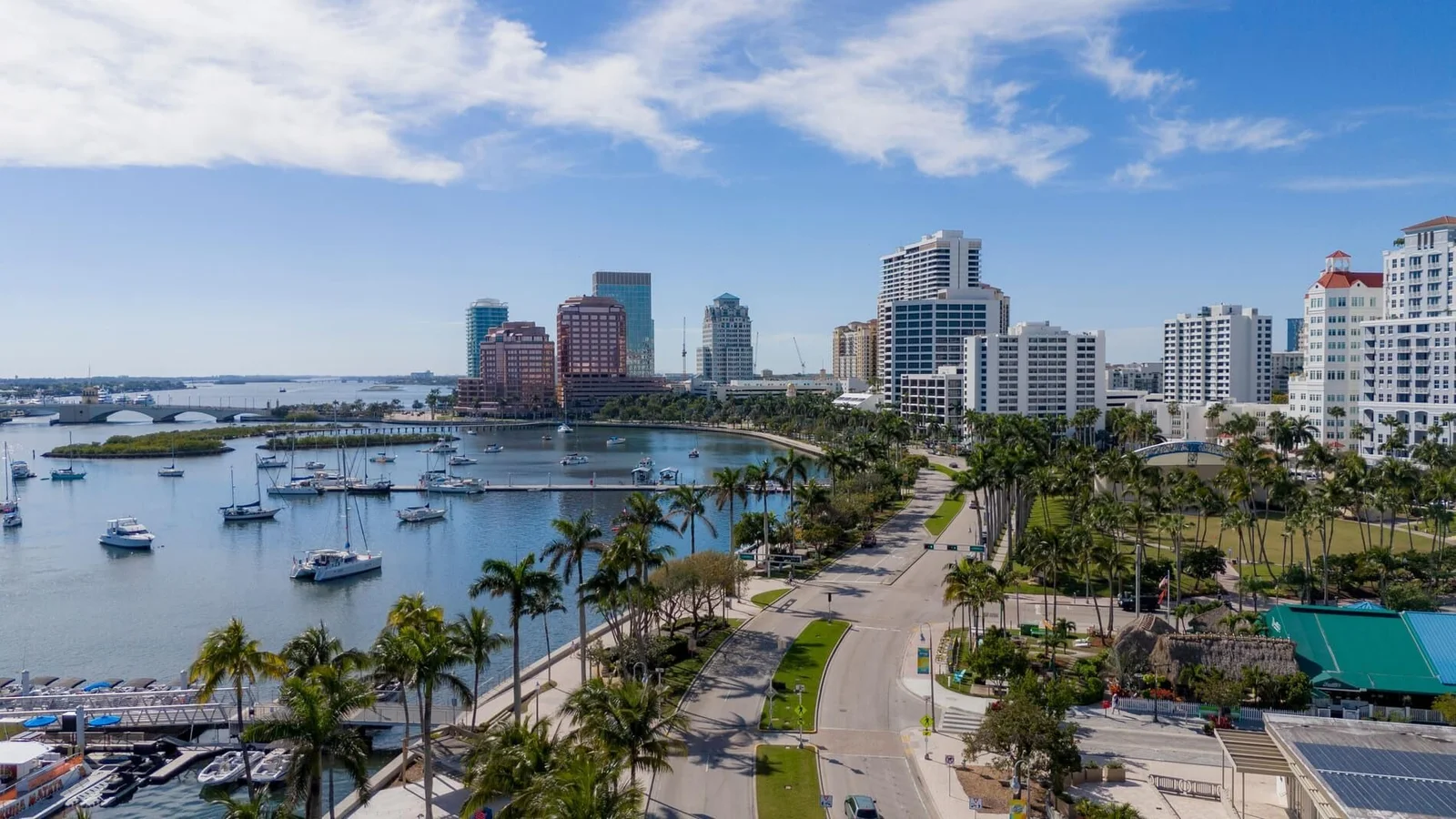
West Palm Beach homes for sale, 2026: $500K-$1.2M+ luxury entry, 3-5% gross yields, hedge-fund migration, seasonal rent, insurance, and net yield math.
The short-term rental heartland, and the state’s main cash-flow market.
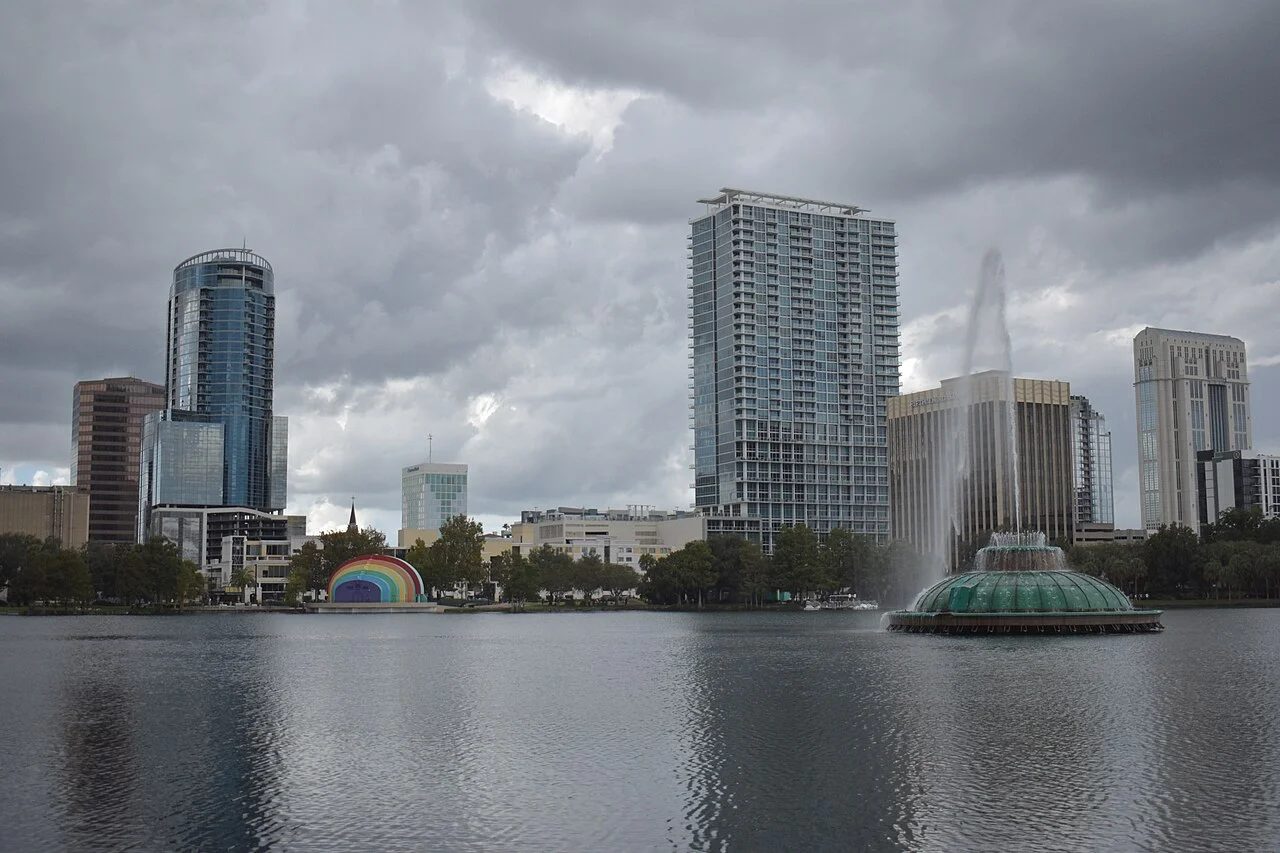
Orlando homes and condos for sale: $300K-$600K entry, 6-10% gross STR yields, Kissimmee corridor, Osceola overlays, DBPR license, and net yield math.
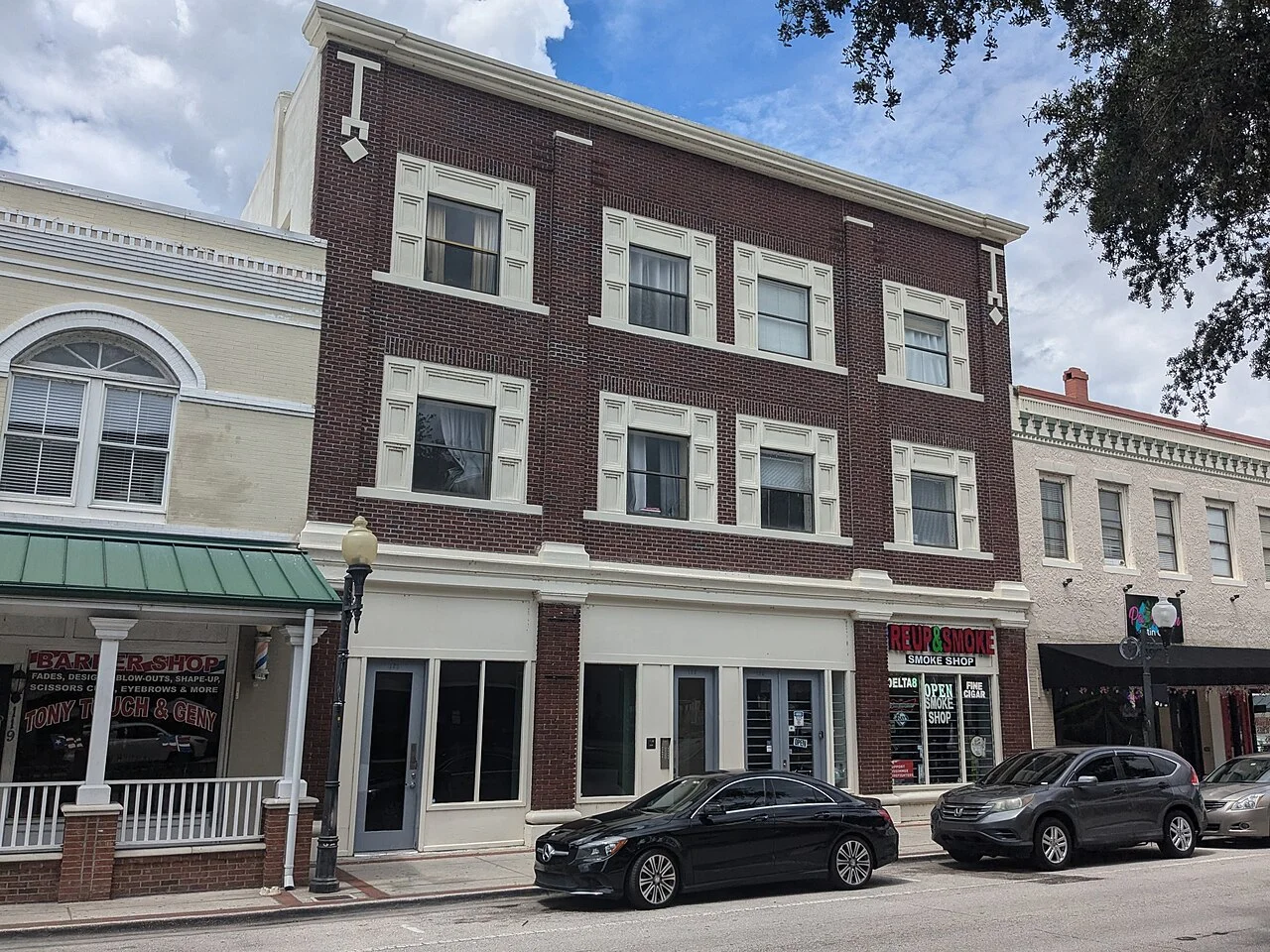
Kissimmee homes for sale, Osceola STR corridor: $280K-$750K entry, 6-10% gross yields, STRPD overlays, top resort communities, net yield math 2026.
Seasonal and workforce demand, currently repricing hardest.
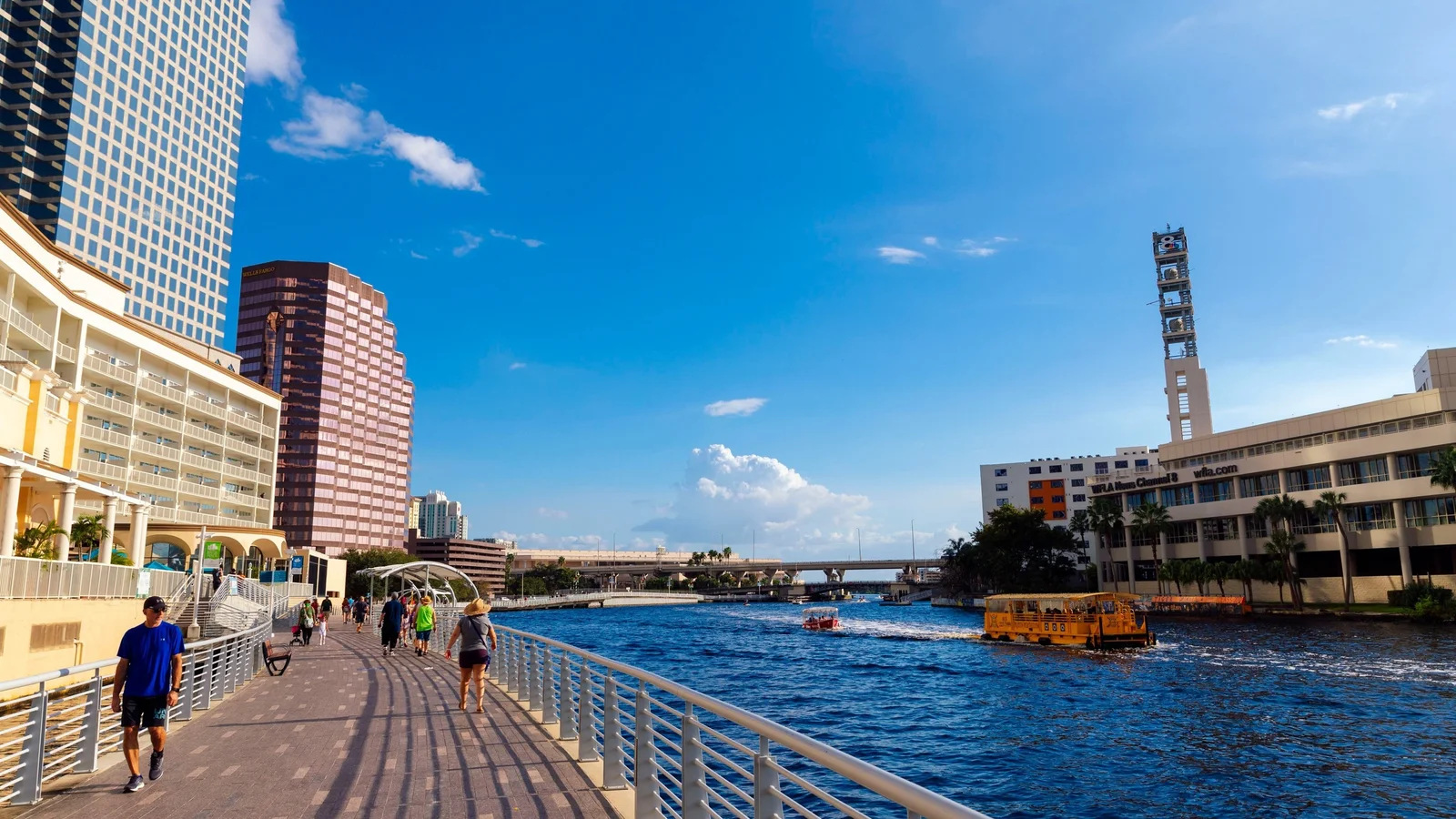
Tampa Bay homes for sale, 2026: LTR yields 5-7% gross, $250K-$500K entry, Tampa vs Miami cash-flow comparison, submarkets, insurance, and net yield math.
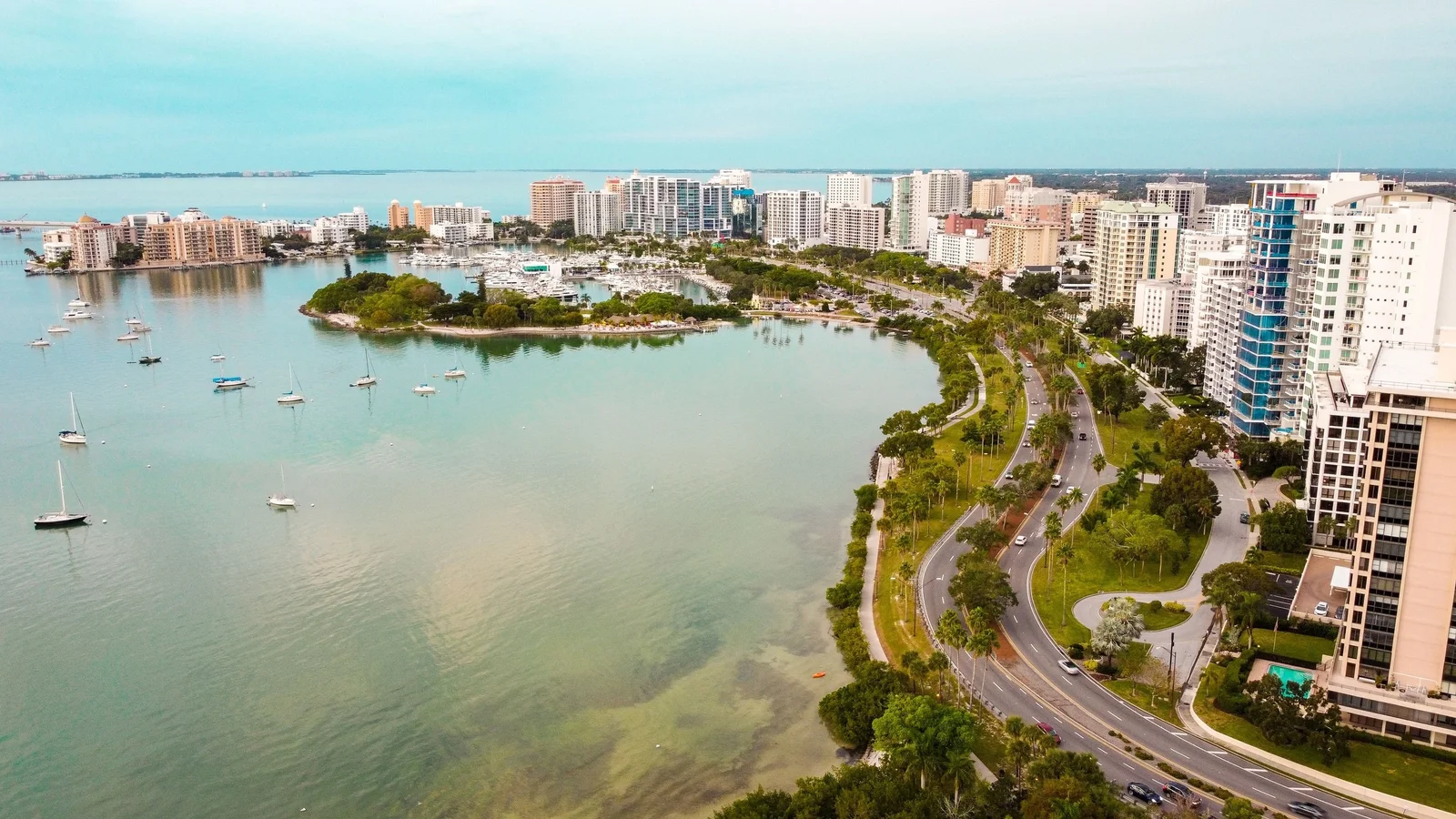
Sarasota homes for sale, 2026: $350K-$450K entry, 4-6% gross yield, retiree snowbird rents, Siesta Key, Lakewood Ranch, insurance, and net yield math.
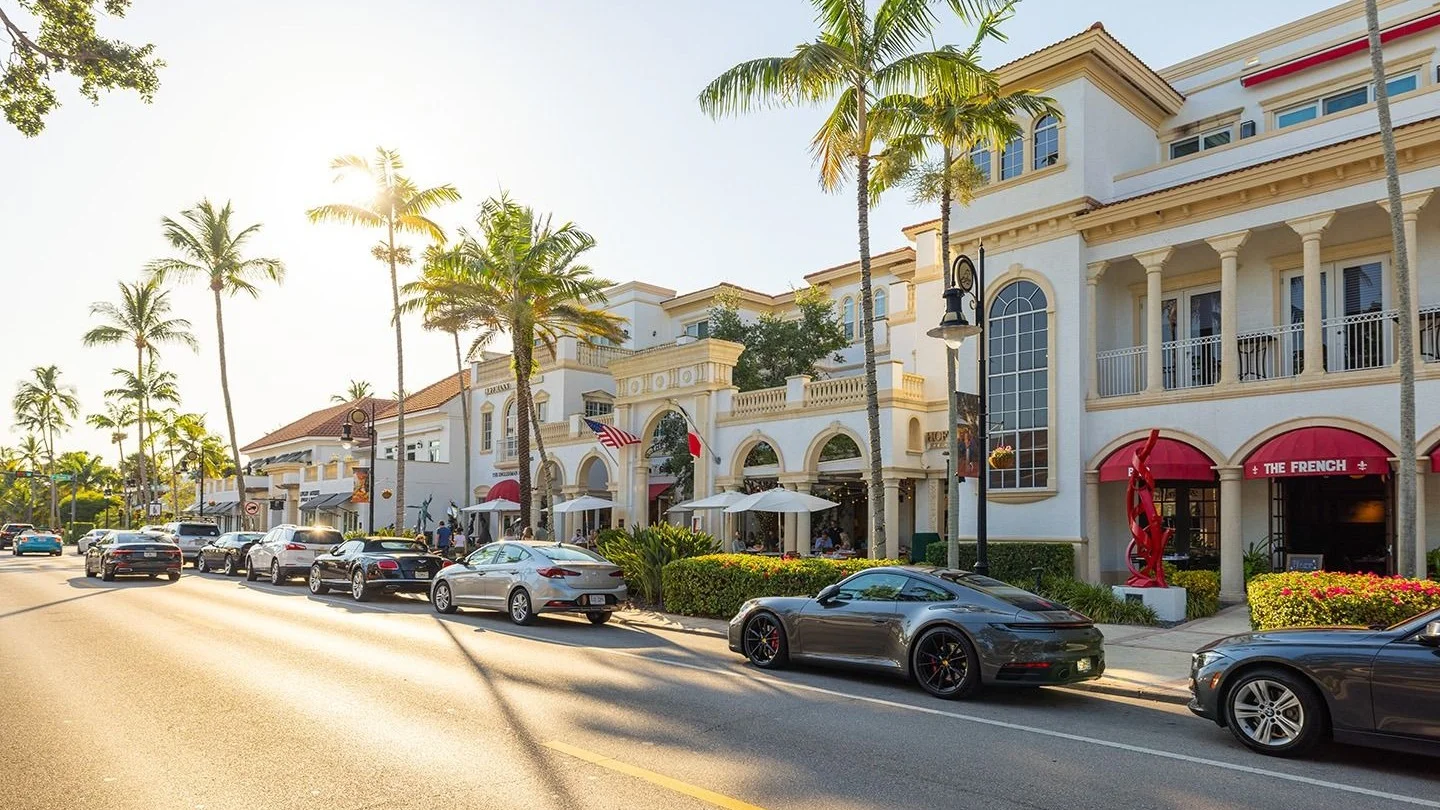
Naples luxury real estate in 2026: $466K+ entry, 3-5% gross yield, seasonal snowbird rents, Port Royal, Pelican Bay, insurance, and net yield math for SW FL.
Lower entry prices, long-term tenancy, less tourism exposure.

Jacksonville homes for sale, 2026: $200K-$400K entry, 6-8% gross LTR yield, Duval submarkets, insurance, net yield math, and cash-flow comparison.
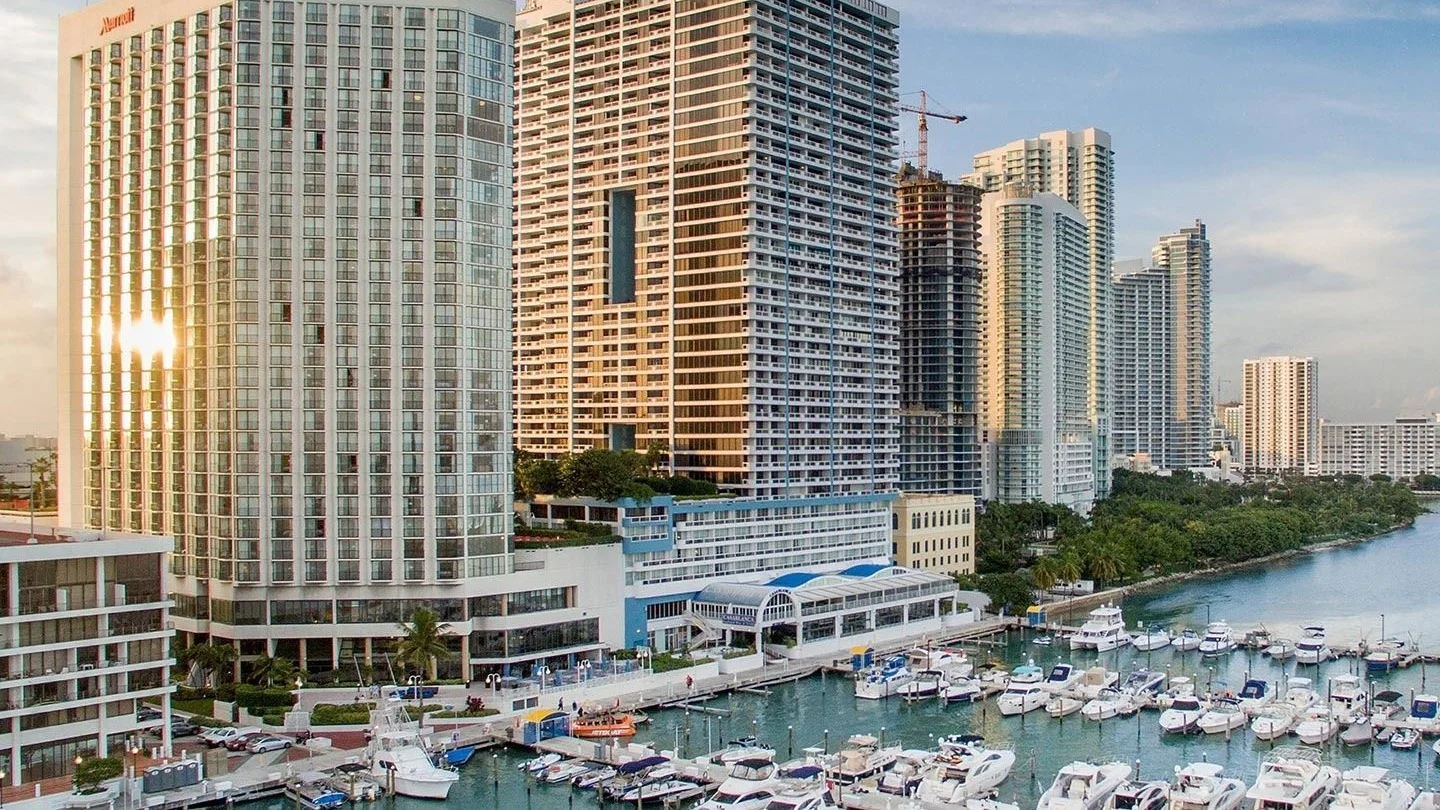
Florida law escrows the first 10% and gives a 15-day cancellation right. Everything else in a pre-construction purchase is in the developer's contract.
On gross yield, the lower-entry inland markets lead: Central Florida short-term rental communities and workforce markets such as Lakeland, Ocala and parts of Jacksonville commonly quote 6% to 8% gross. But the highest gross yields correlate with weaker tenant pools and higher expense ratios. An 8% gross property can net 4%, while a 5.5% gross property in a strong location nets 4.5% with far less operational friction.
They answer different questions. Orlando is the cash-flow market: whole-home short-term rental is permitted by zoning in Osceola and Polk counties, entry prices are lower, and yield comes from nightly rates. Miami is the appreciation and liquidity market: most condo associations prohibit rentals under six months, net yields commonly sit between 2% and 3%, and the case rests on international demand and exit liquidity.
Southwest Florida, mainly Fort Myers, Cape Coral, Naples and Sarasota, where condos have seen 8% to 15% peak-to-trough declines and more than 40% of active listings carry a price reduction. The driver is carrying cost rather than demand: SB 4-D reserve funding plus coastal insurance repricing.
No, but it prices into every model through insurance rather than through headline value. Coastal binders commonly run $2,000 to $8,000 or more annually, flood coverage is separate from windstorm, and roof age and wind mitigation features move premiums substantially. The practical question is not whether to accept the risk but whether the specific property is insurable at a price your model survives.
Tell us your budget and market. We reply within one business day with options matched to your goals.