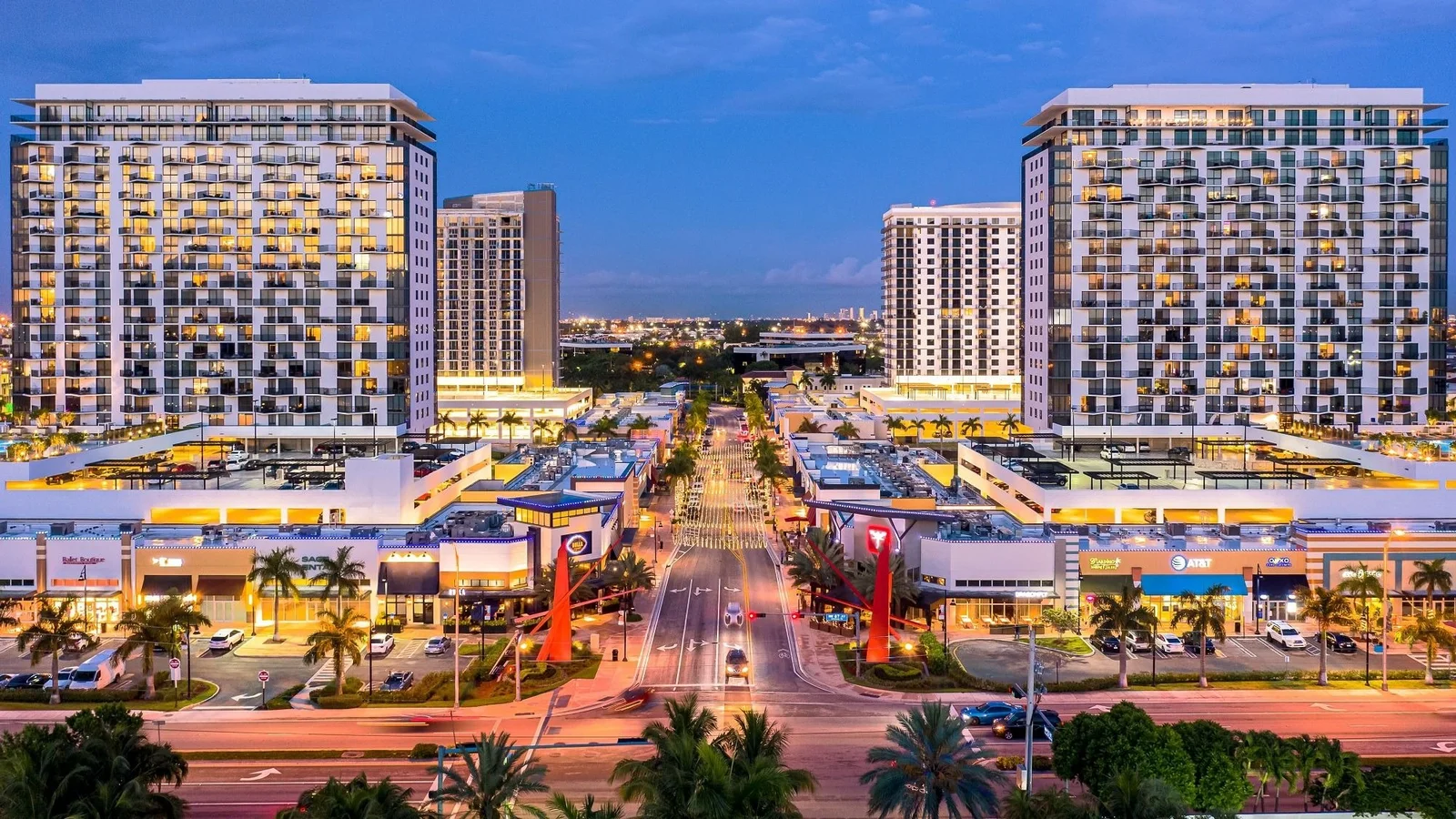
Codina Partners 2026: The Master Plan Can Be Amended
In a master-planned suburb your neighbourhood is an approved plan. Plans get amended, and the party able to apply is the master developer.
Who built it matters as much as where it is. These dossiers cover the developers behind Florida condo towers and the national builders behind its master-planned communities: what they have actually delivered, how their buildings have aged, and how they handle warranty and association hand-over.
Useful in two situations: assessing delivery risk on a pre-construction purchase, and understanding why a ten-year-old building is facing the reserve position it is facing.
2 pages · updated August 2026
In a master-planned suburb your neighbourhood is an approved plan. Plans get amended, and the party able to apply is the master developer.
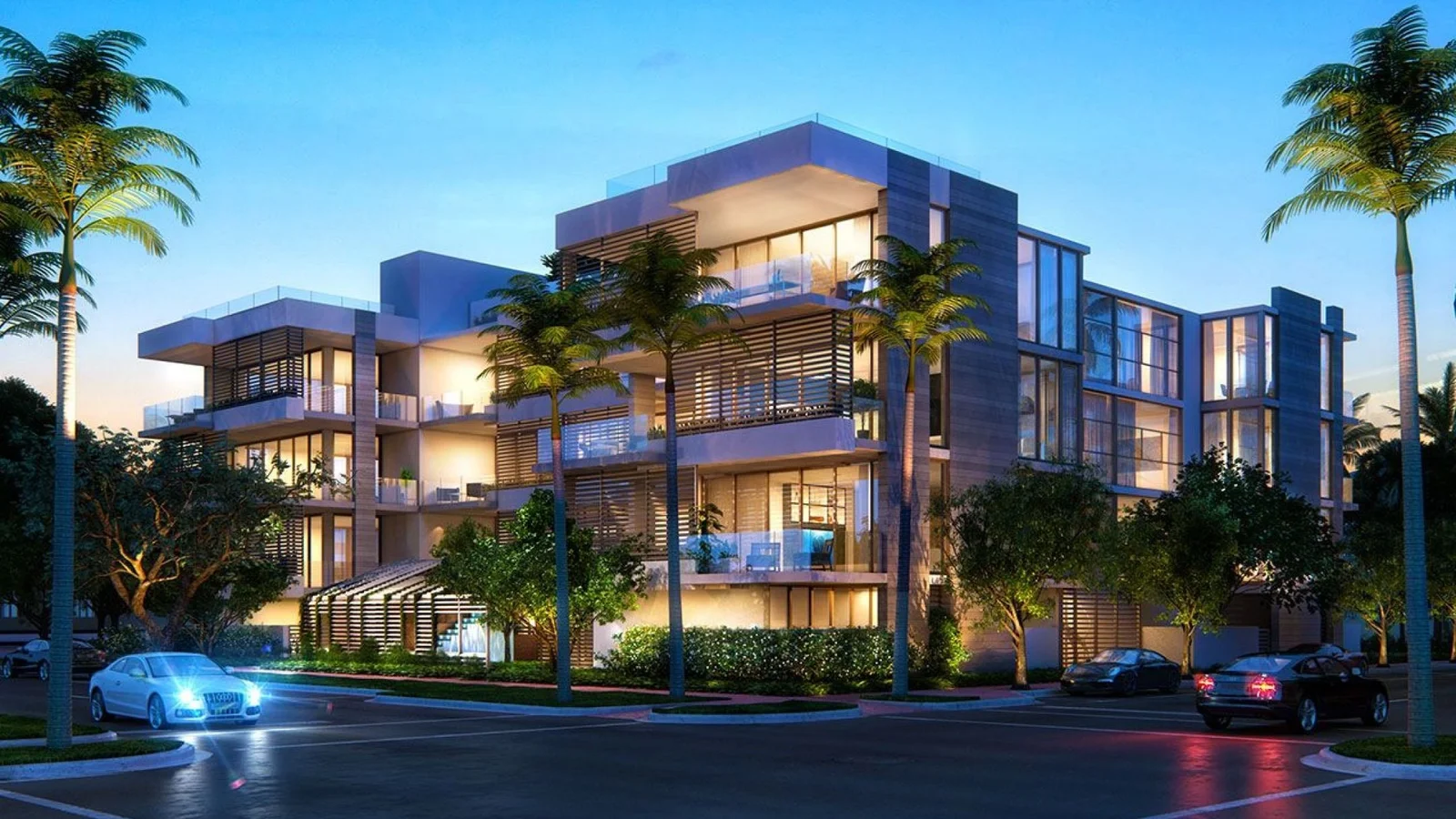
A sponsor's name is on the project. The equity behind it usually is not. On a pre-construction purchase the capital stack matters more than the sponsor's brand.
Because construction decisions surface a decade later as reserve obligations. Under SB 4-D, buildings now need funded structural reserves based on a Structural Integrity Reserve Study, and the size of that obligation depends heavily on how the building was built and how the association was handed over. Two towers of the same age in the same neighbourhood can face very different assessments.
They dominate Florida’s master-planned communities and offer predictable product, standardised warranties and, often, in-house financing. The trade-offs are limited differentiation on resale, and the CDD assessments that fund the infrastructure in most of these communities, commonly $1,000 to $3,000 a year on the tax bill.
Tell us your budget and market. We reply within one business day with options matched to your goals.