Florida DBPR Vacation Rental License: 2026 State Guide
Step-by-step guide to obtaining a Florida DBPR vacation rental license in 2026. Learn about state fees, processing times, requirements, and county rules.
Florida short-term rental rules are decided at three levels at once, and they routinely contradict each other. State law stops any county from banning vacation rentals outright, but leaves zoning, registration, occupancy and parking entirely local. Then the HOA or condo declaration sits on top of both and can impose a six-month minimum stay regardless of what the county permits.
These pages document each layer separately, county by county, with the registration steps, minimum stay rules and tax stack that actually apply in 2026. Start with the statewide rules below, then open your county. If you are still choosing a market, the county page is usually a faster filter than any listing site.
Everything here is independent research. We are not a property manager, a licensing service, or a rental platform, and we do not take a commission on a booking.
50 pages · updated October 2026
50 guides
No matching guides. Try a broader search.
These apply everywhere in Florida, on top of whatever your county requires.
Step-by-step guide to obtaining a Florida DBPR vacation rental license in 2026. Learn about state fees, processing times, requirements, and county rules.
Florida sales tax on vacation rentals: 6% state rate, discretionary surtax, DOR registration, platform remittance, penalties, and investor filing checklist.
Florida county tourist development tax rates, local option sales surtax, short-term rental tax stack, and registration rules.
HOA short-term rental restrictions in Florida: CC&R review, rental caps, condo bans, estoppel checklist, and county regulation cross-links for investors.
Florida STR insurance guide: $1 million liability benchmarks, HO-3 gaps, umbrella policies, DBPR expectations, and investor documentation checklist.
Airbnb vs Vrbo for Florida STR investors: host fees, guest mix, channel strategy, tax remittance, and compliance checklist before listing.

World Cup 2026 Orlando STR guide: demand outlook, Orange and Osceola county rules, pricing strategy, tax compliance, and investor due diligence.
County and city overlays. State law bars an outright ban, but zoning, permits, occupancy and minimum stay are local.
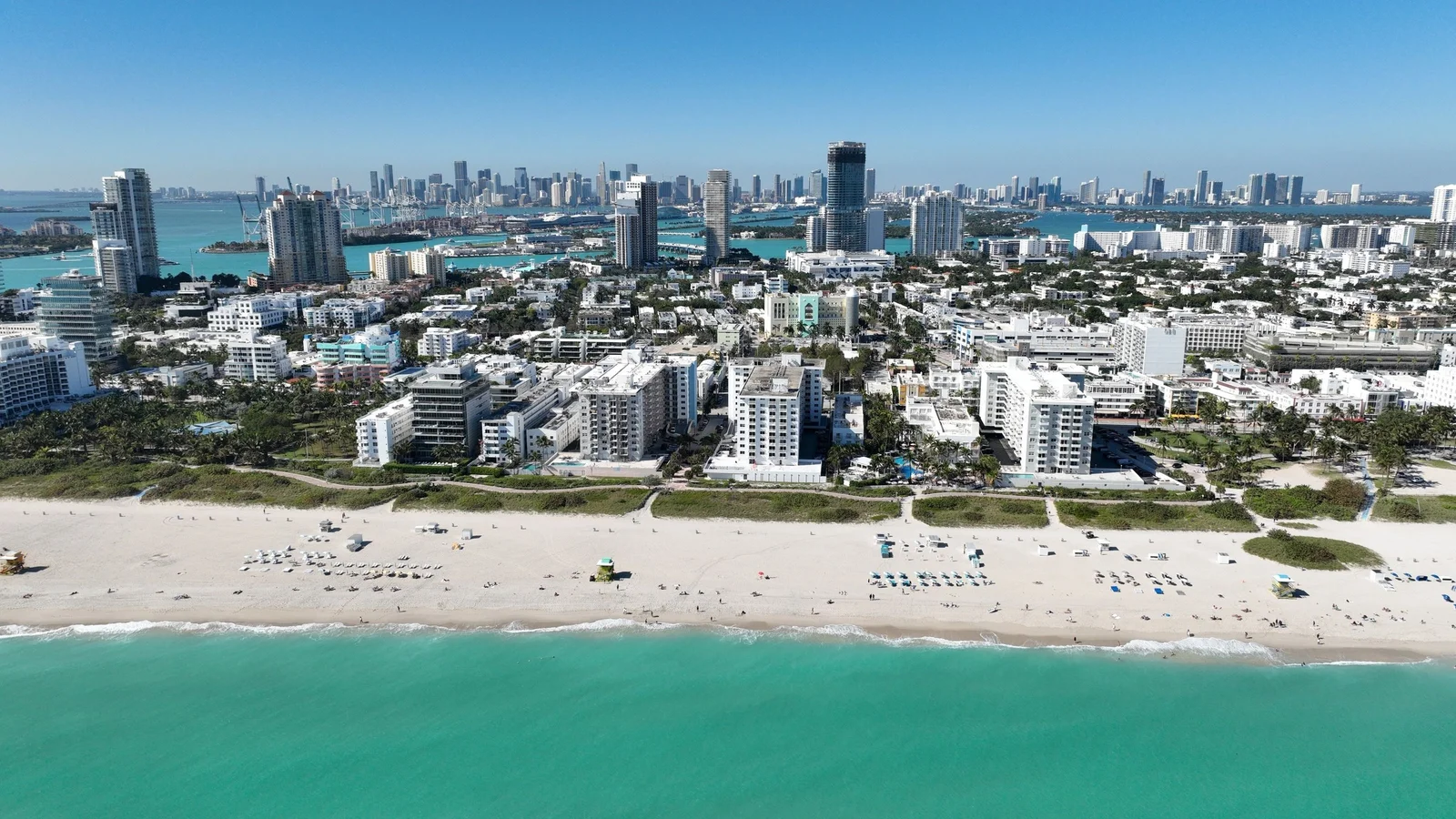
Miami-Dade STR rules for investors: Certificate of Use, DBPR license, municipal zoning, Miami Beach bans, 13% tax stack, HOA blocks, and parcel checklist.
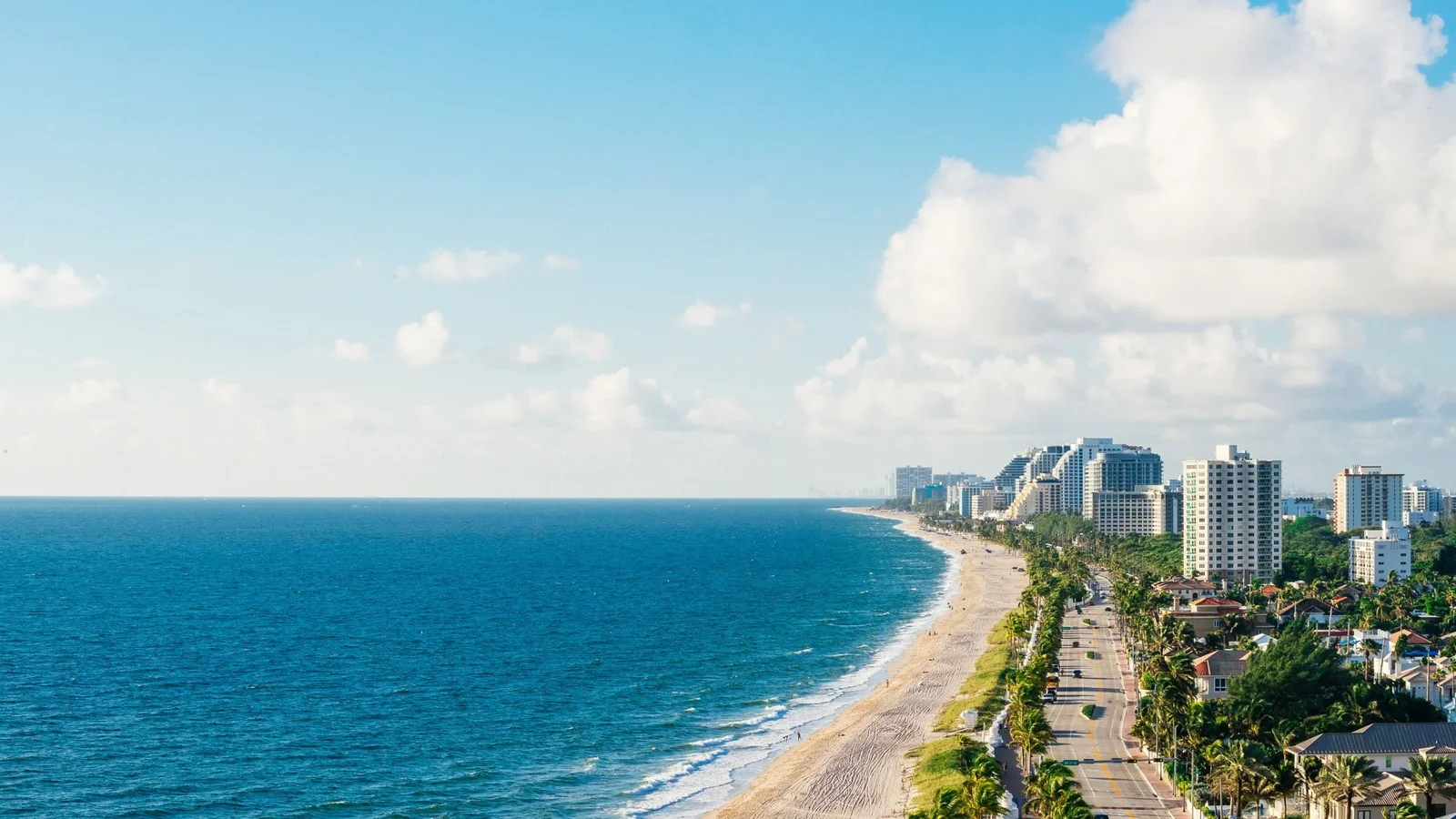
Broward County short-term rental rules for investors: Certificate of Use, DBPR licensing, municipal zoning, local noise monitoring, and tax requirements.
Palm Beach County short-term rental rules: West Palm Beach, Boca Raton zoning codes, local 6% tourist tax, and registration.
Unincorporated Monroe bans rentals under 28 days. Only five land use districts can hold a vacation rental permit, and the permit is what you are buying.
Airbnb does not collect Martin County tourist development tax. The owner remits the 5% directly, and anyone assuming otherwise builds a quiet liability.
County and city overlays. State law bars an outright ban, but zoning, permits, occupancy and minimum stay are local.

Orange County vs Osceola STR rules for Orlando investors: unincorporated permits, City of Orlando home-share limits, Osceola STRPD overlays, fees, taxes, HOA.

Osceola County short term rental rules: STRPD overlays, DBPR $155 license, 13% combined tax, approved communities, Celebration ban, parcel verification.
Complete 2026 guide to Polk County short-term rental regulations. Learn about Davenport, Haines City zoning, DBPR licensing, and 7% Tourist Development Tax.

Kissimmee STR rules for investors: city registration, Osceola County county overlay, 13% tax stack, DBPR license, HOA review, and parcel checklist.
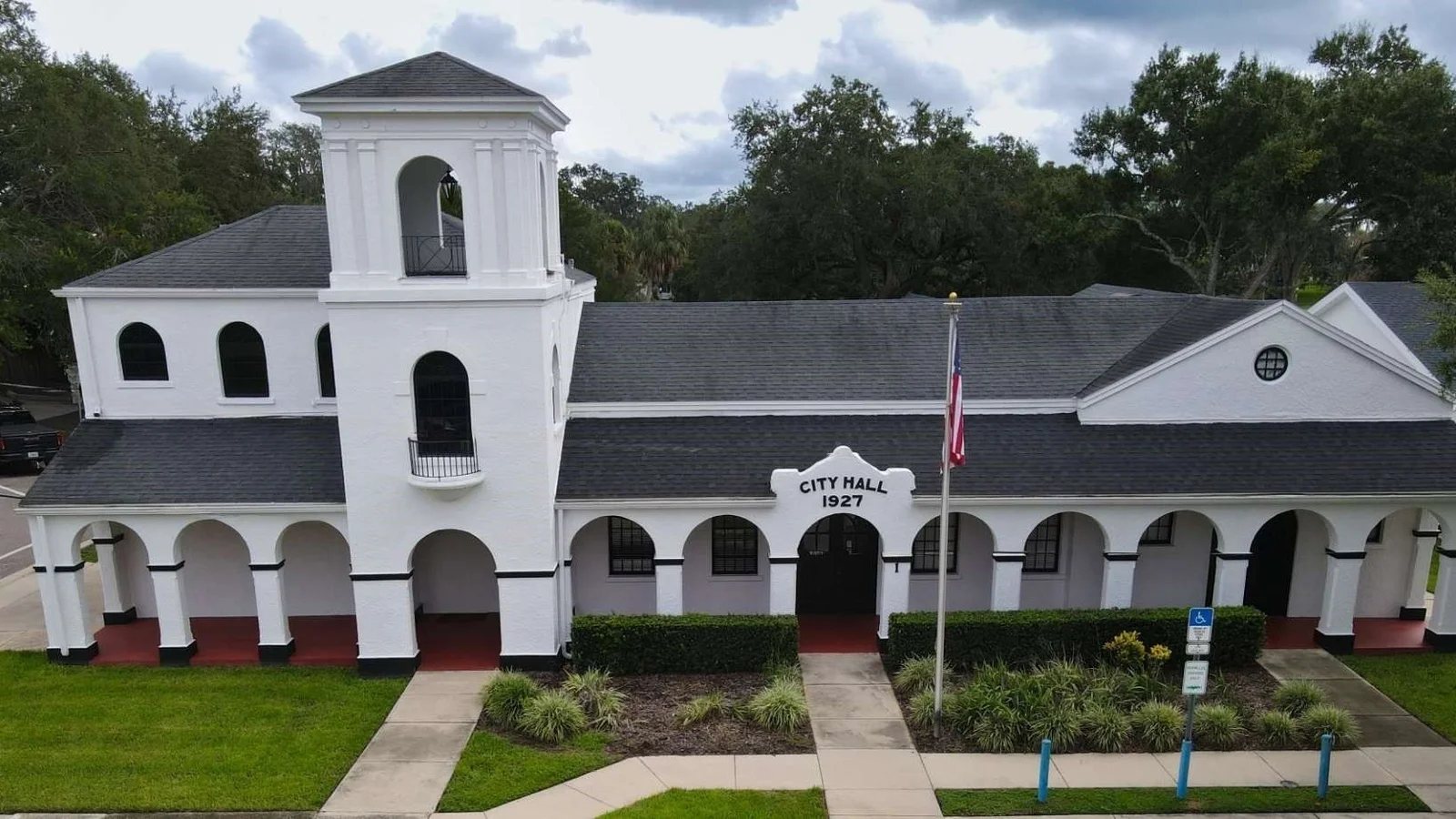
Davenport STR rules for investors: city registration, Polk County county overlay, 13% tax stack, DBPR license, HOA review, and parcel checklist.
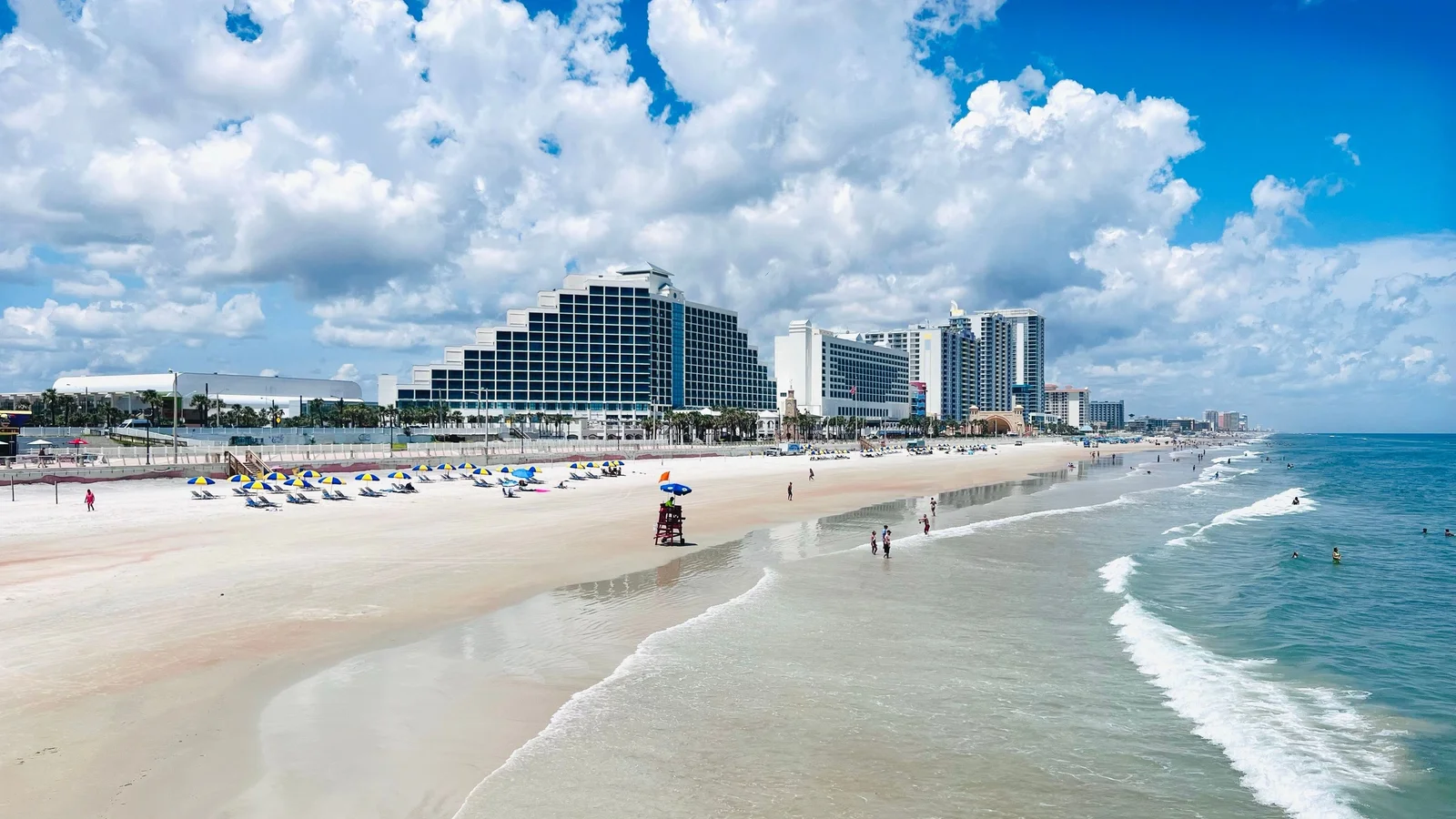
Unincorporated Volusia bans rentals under 30 days, upheld in court in 2022. Legal nightly letting survives in a short list of specific zones and cities.

Marion charges 4% tourist tax, the lowest in this group, and sits inland. The line that dominates Florida rental models is smaller here than anywhere coastal.
County and city overlays. State law bars an outright ban, but zoning, permits, occupancy and minimum stay are local.

Hillsborough County short-term rental rules for Tampa, Temple Terrace, and Plant City: zoning codes, tax registration, Certificate of Use, and occupancy caps.
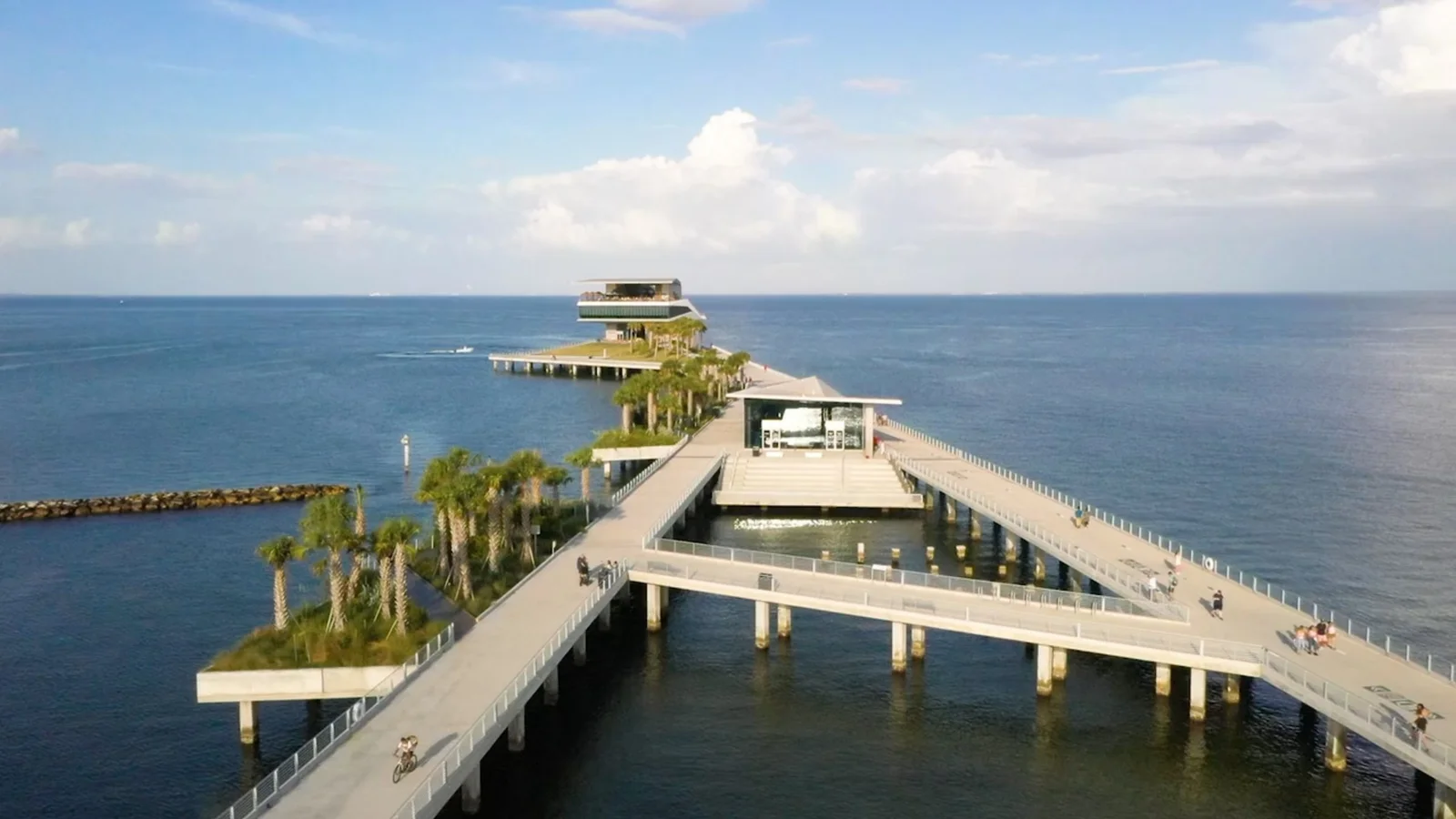
Pinellas County short-term rental rules for investors: Clearwater, St. Pete Beach zoning, 6% tourist tax, noise laws, and safety compliance.
Manatee County has no county-wide short-term rental ordinance. Three separate city halls on Anna Maria Island each run their own registration and minimum stay.
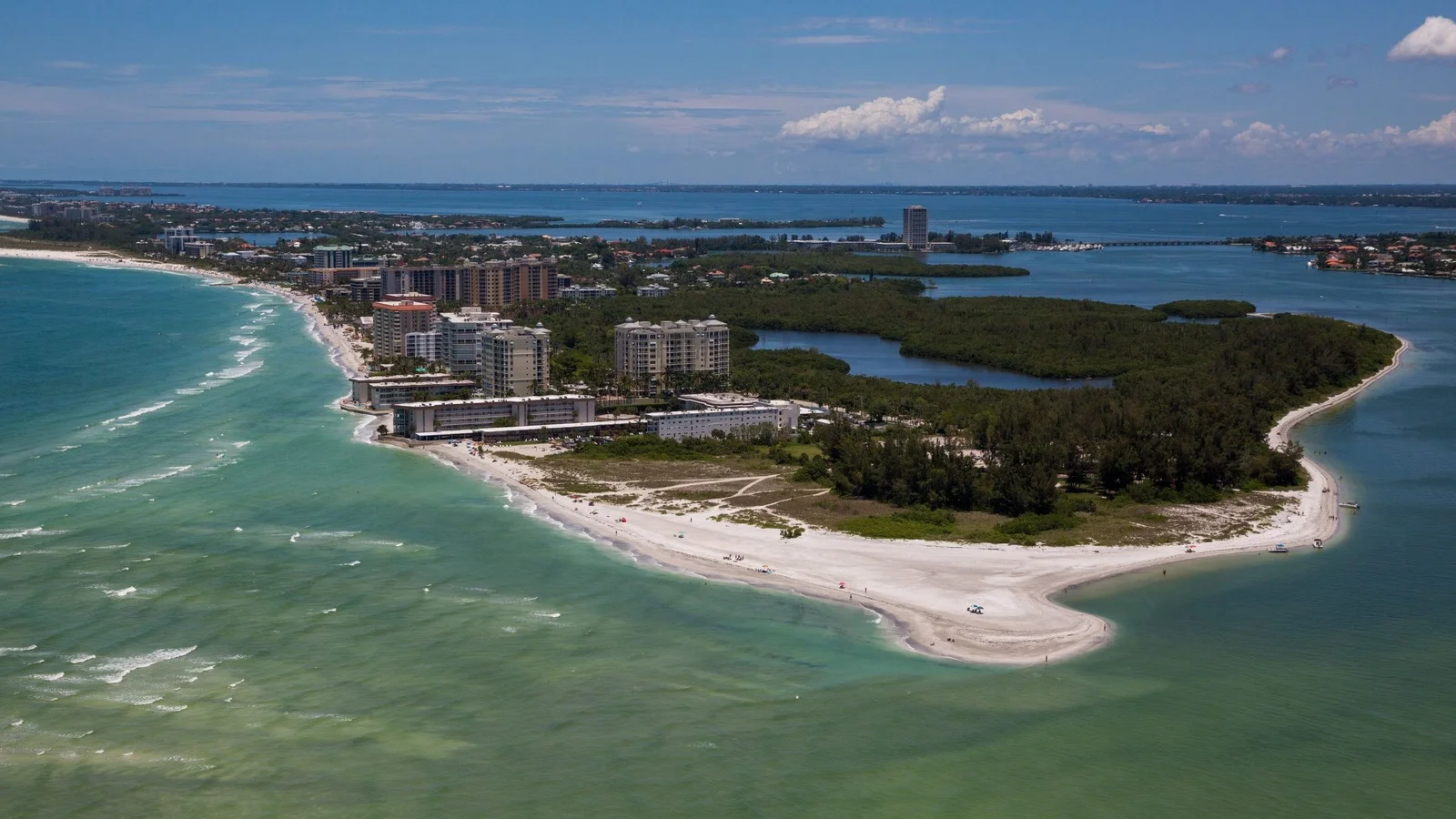
Sarasota County short-term rental rules: Siesta Key minimum stay limits, local 6% tourist tax, and city registration rules.
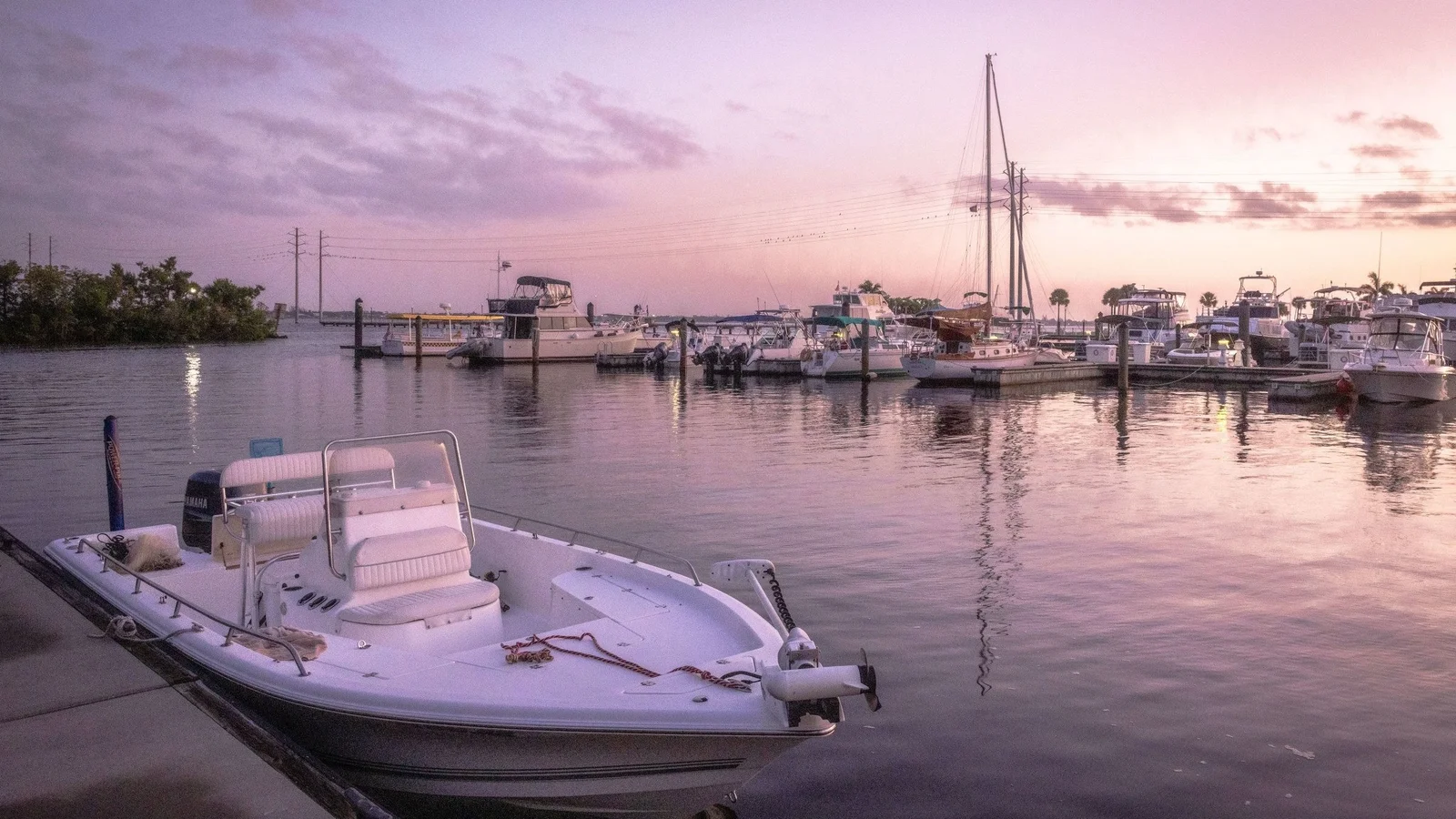
Charlotte County registration costs $35 a year. The expensive number is the insurance quote, and after Hurricane Ian it turns on the age of the roof.
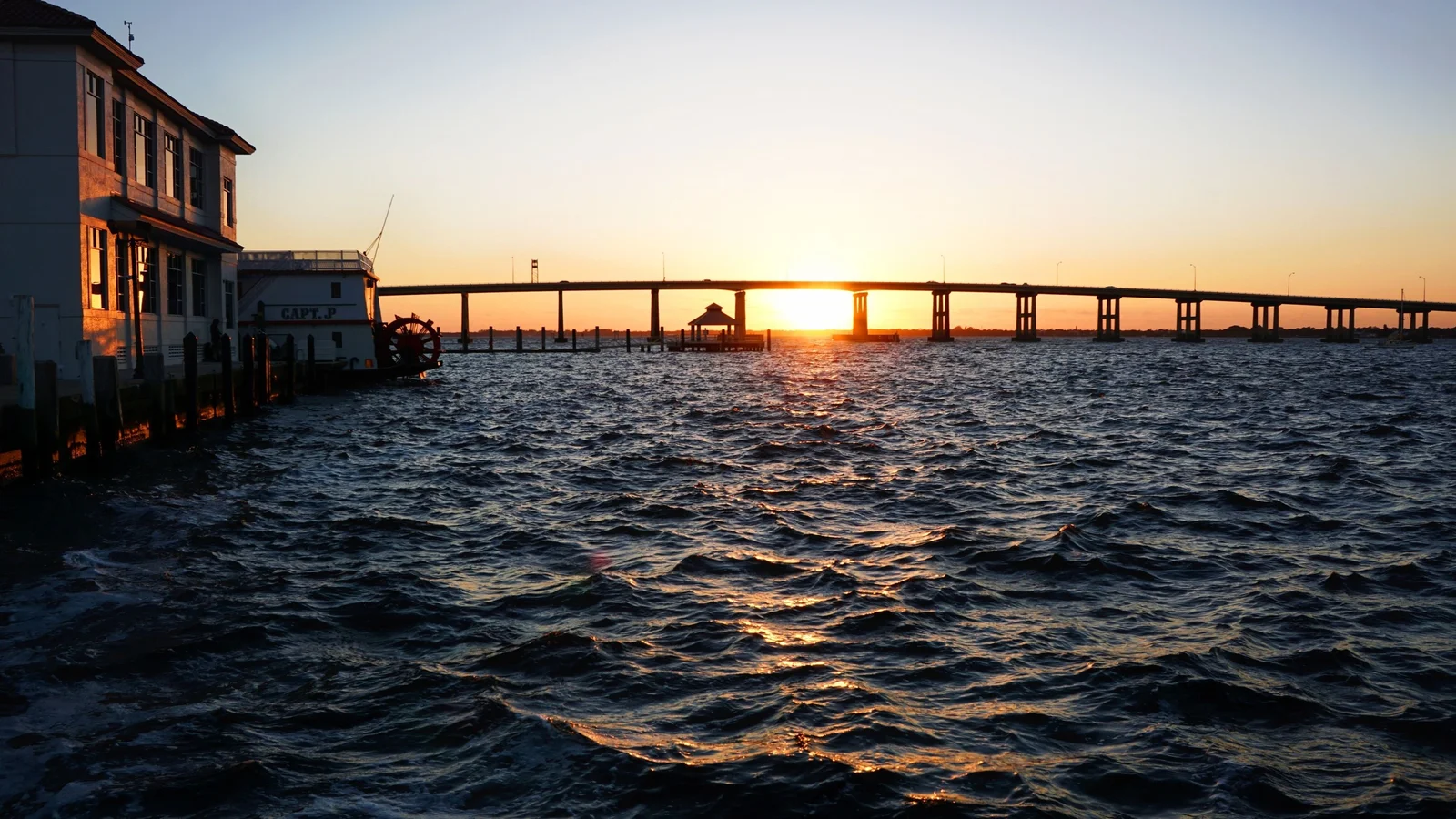
Lee County STR regulations for Fort Myers, Cape Coral, Sanibel, and Captiva: post-Ian recovery rules, zoning restrictions, and local 5% tourist tax rates.
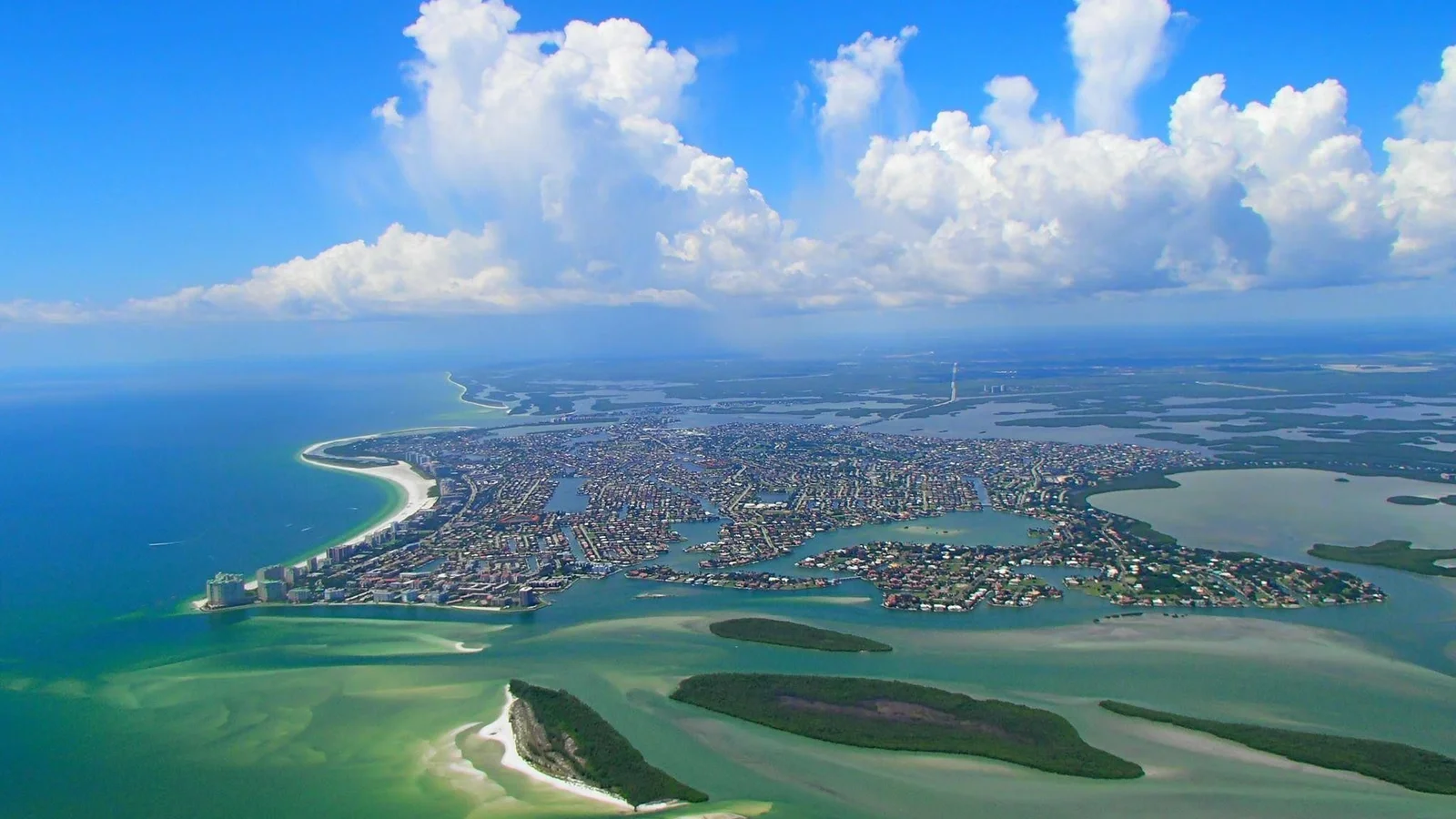
Collier County short-term rental rules for investors: local zoning, Marco Island permits, Naples 30-day minimum stay rules, licensing, and 5% tourist taxes.
County and city overlays. State law bars an outright ban, but zoning, permits, occupancy and minimum stay are local.
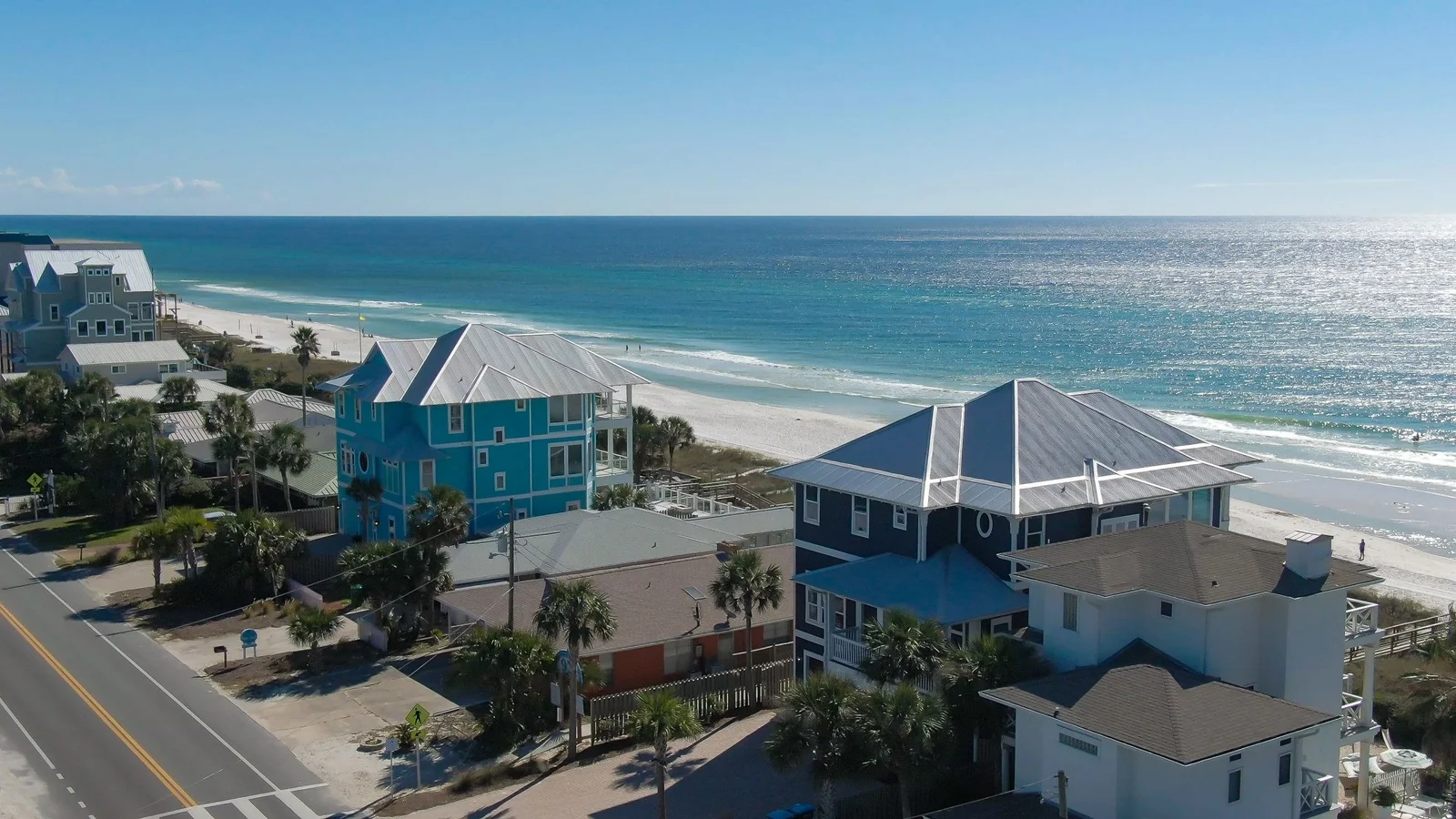
Bay County collects its 5% tourist tax only inside a mapped special taxing jurisdiction. Panama City Beach adds a $250 certificate and fire inspection on top.
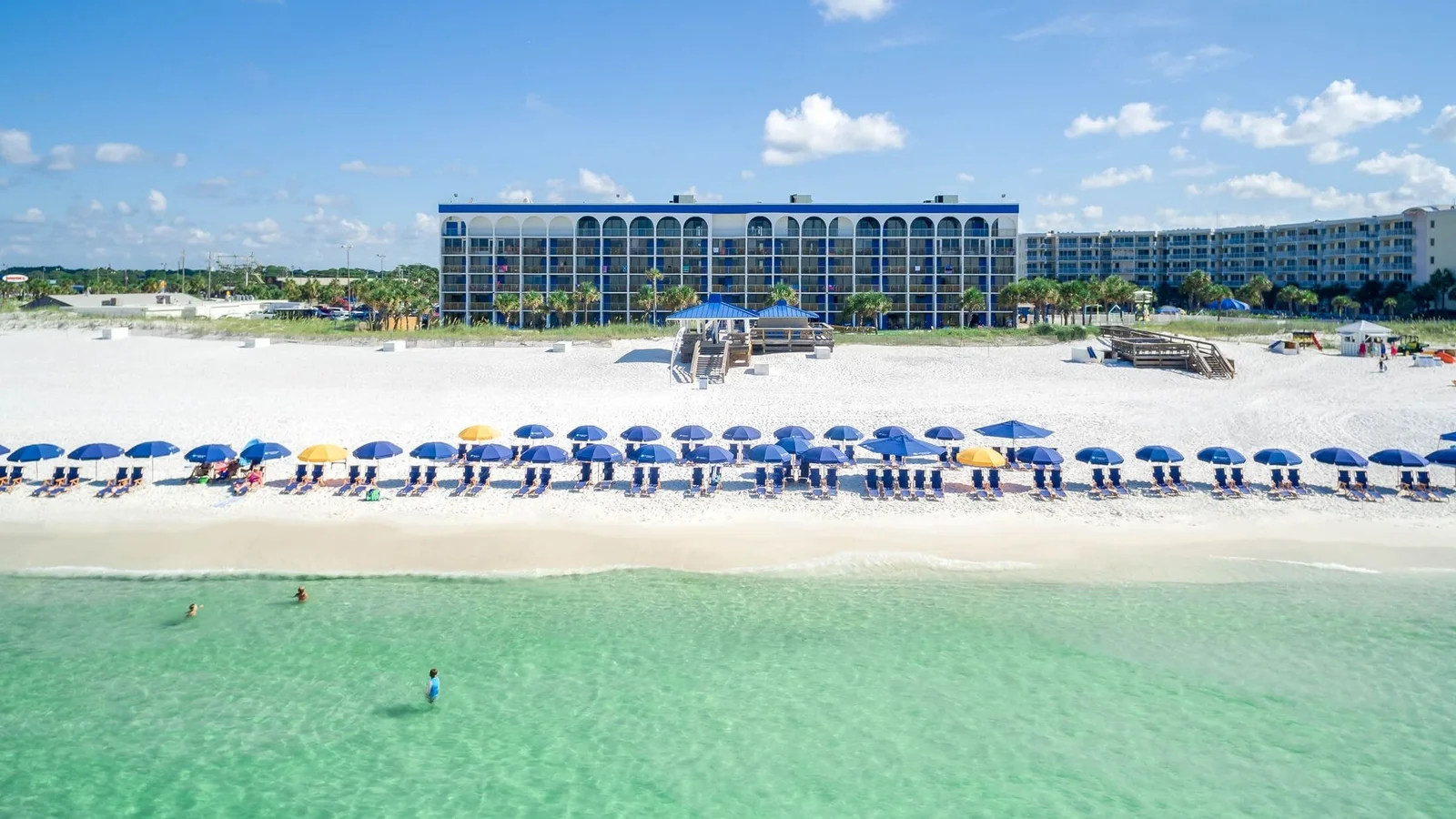
Okaloosa taxes rentals of six months or less but licenses only stays under 30 days. The band between them is where Eglin and Hurlburt demand actually sits.
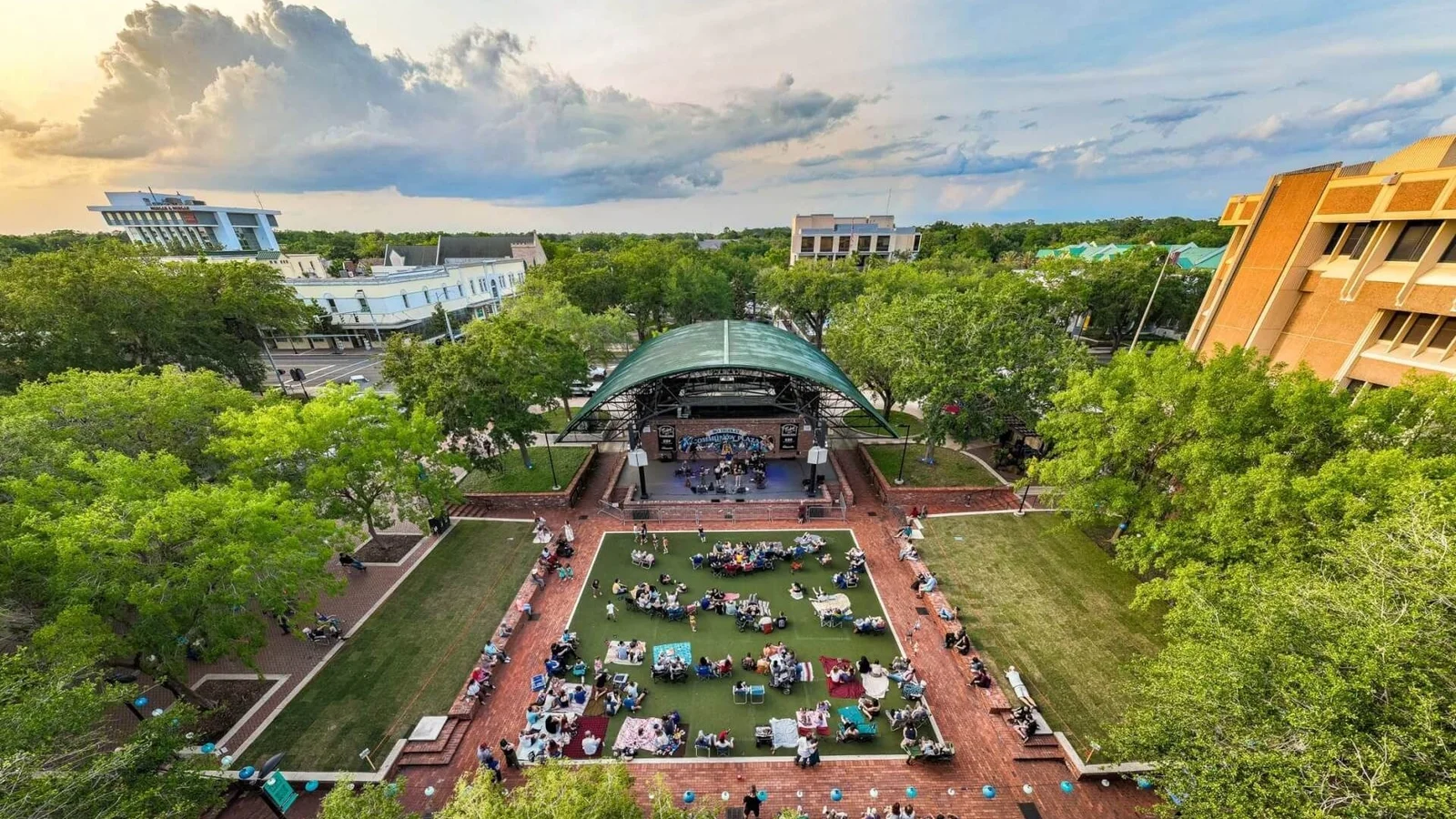
Alachua runs on 12-month student leases with six football weekends on top. Those two models sit on opposite sides of the 6-month transient tax line.
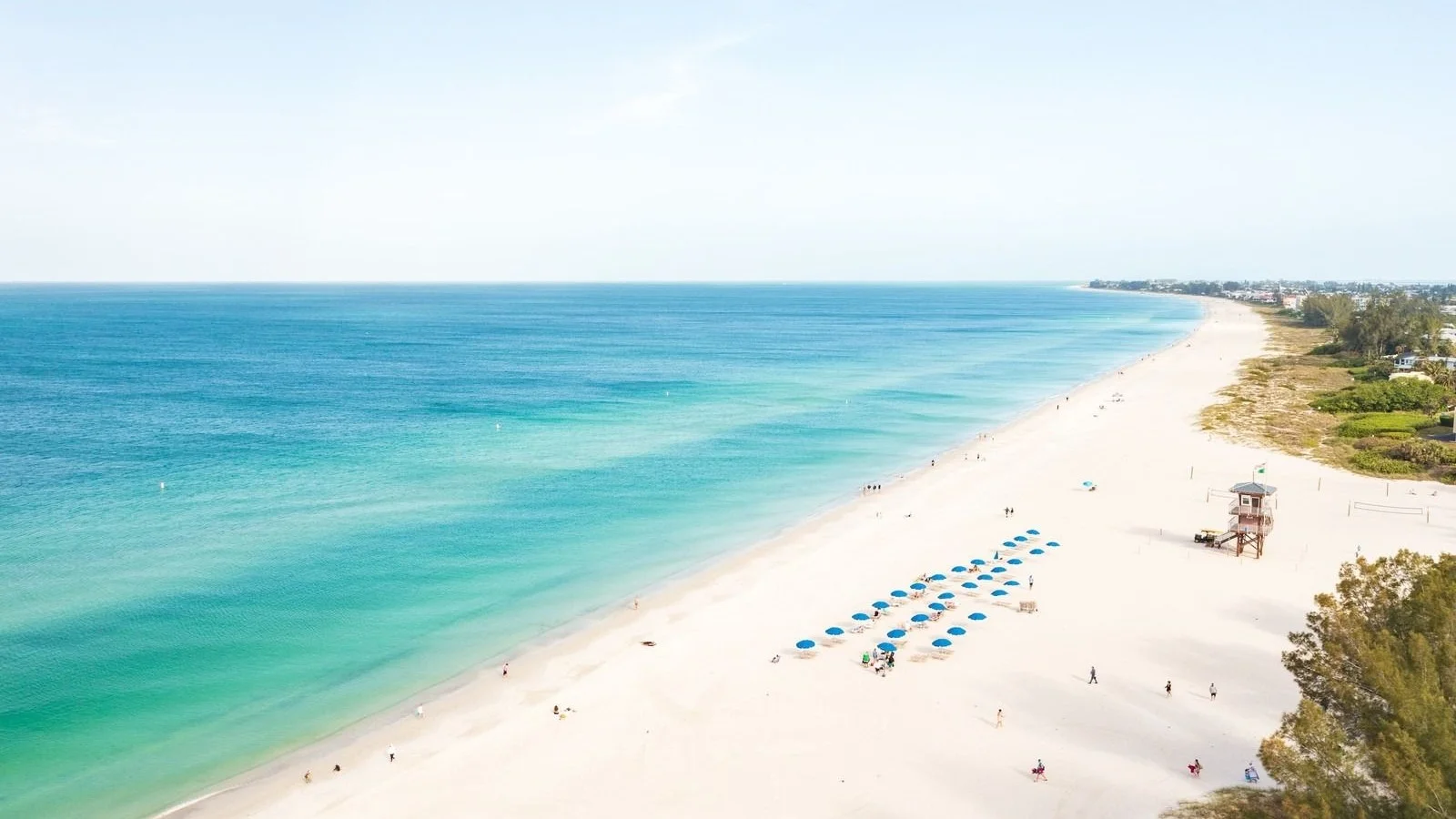
Holmes Beach runs a 7-night minimum in most neighbourhoods and 30 nights on the canals and Key Royale. The rule changes by street, not by island.
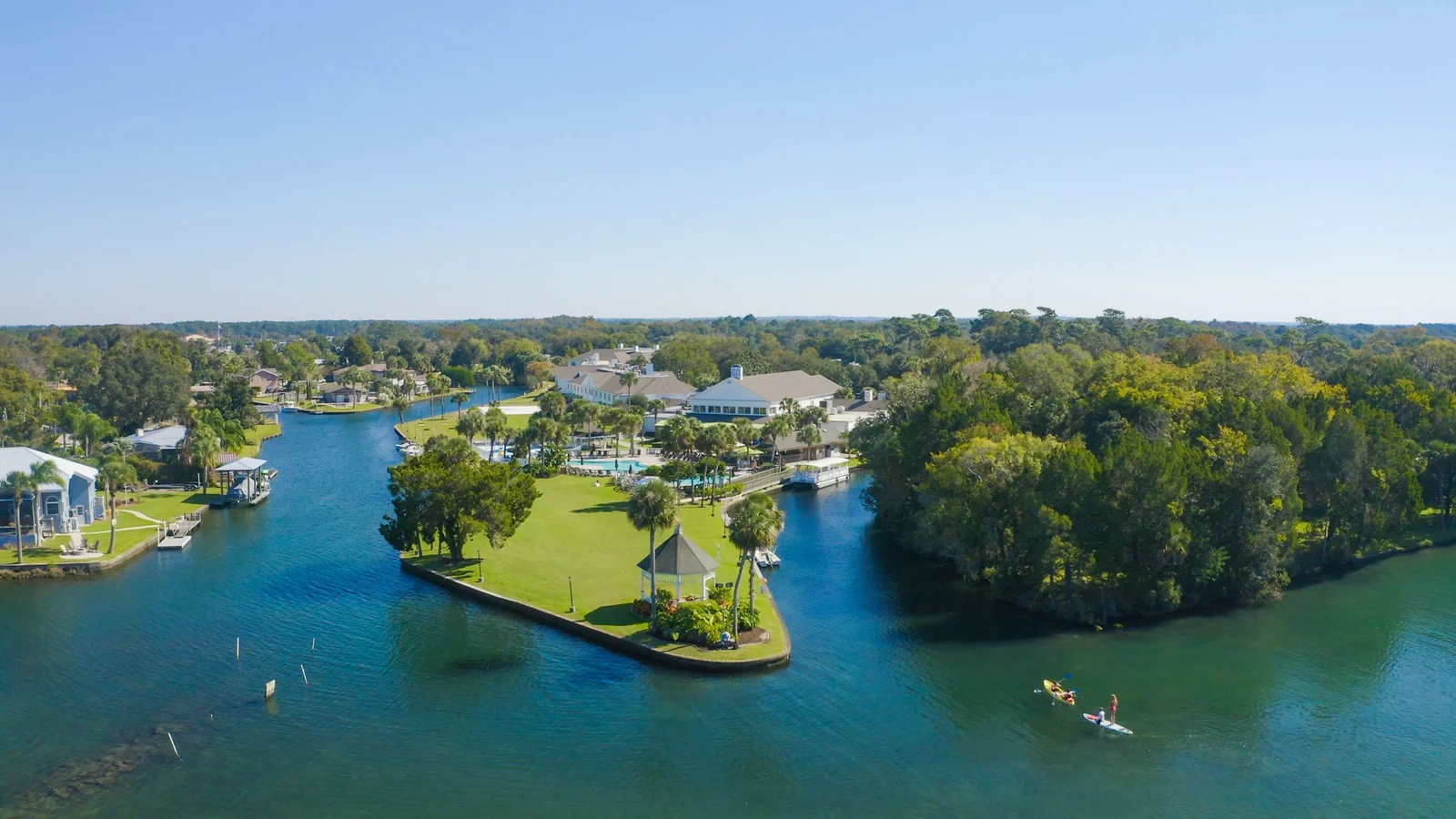
Citrus is one of the counties whose 5% tourist tax the state administers. That is the closest Florida gets to handled, and it covers platform bookings only.
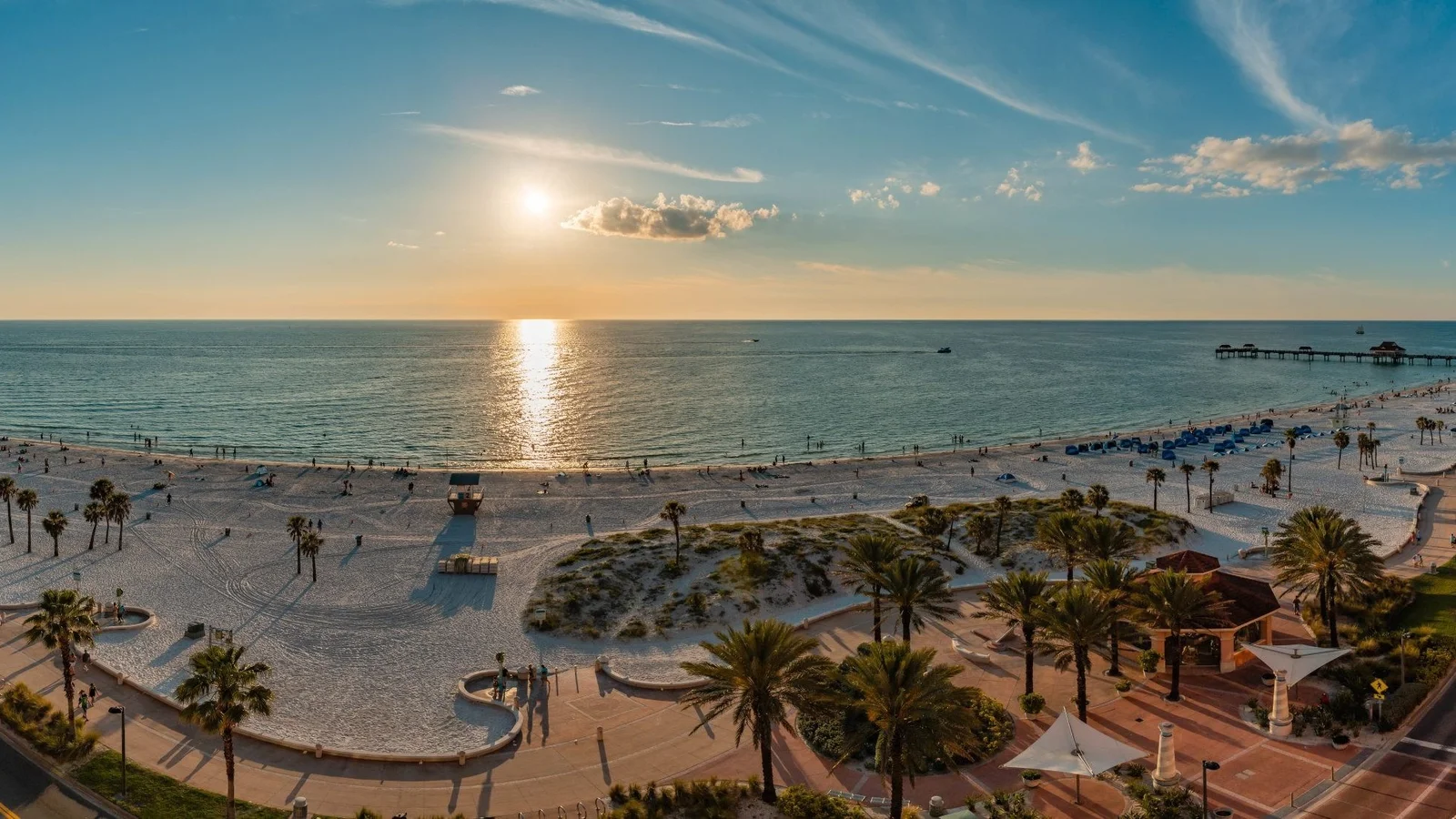
Clearwater does not permit rentals of 30 days or less in any residential district. On the beach, the only lawful short-stay play is non-residential zoning.
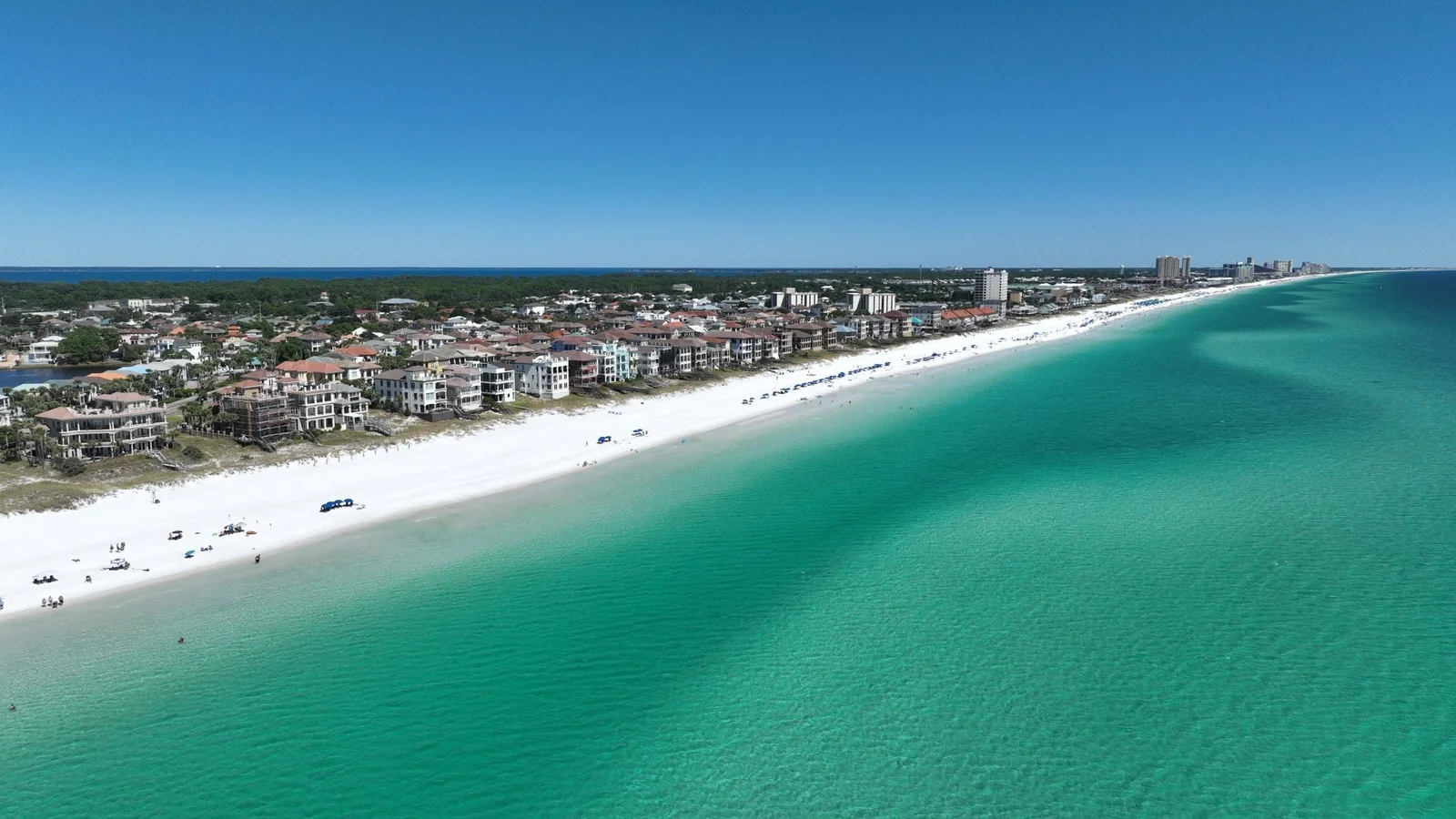
Destin caps occupancy at two guests per bedroom plus four. That formula, not the nightly rate, sets what a property can earn, and the county tax rose to 6%.
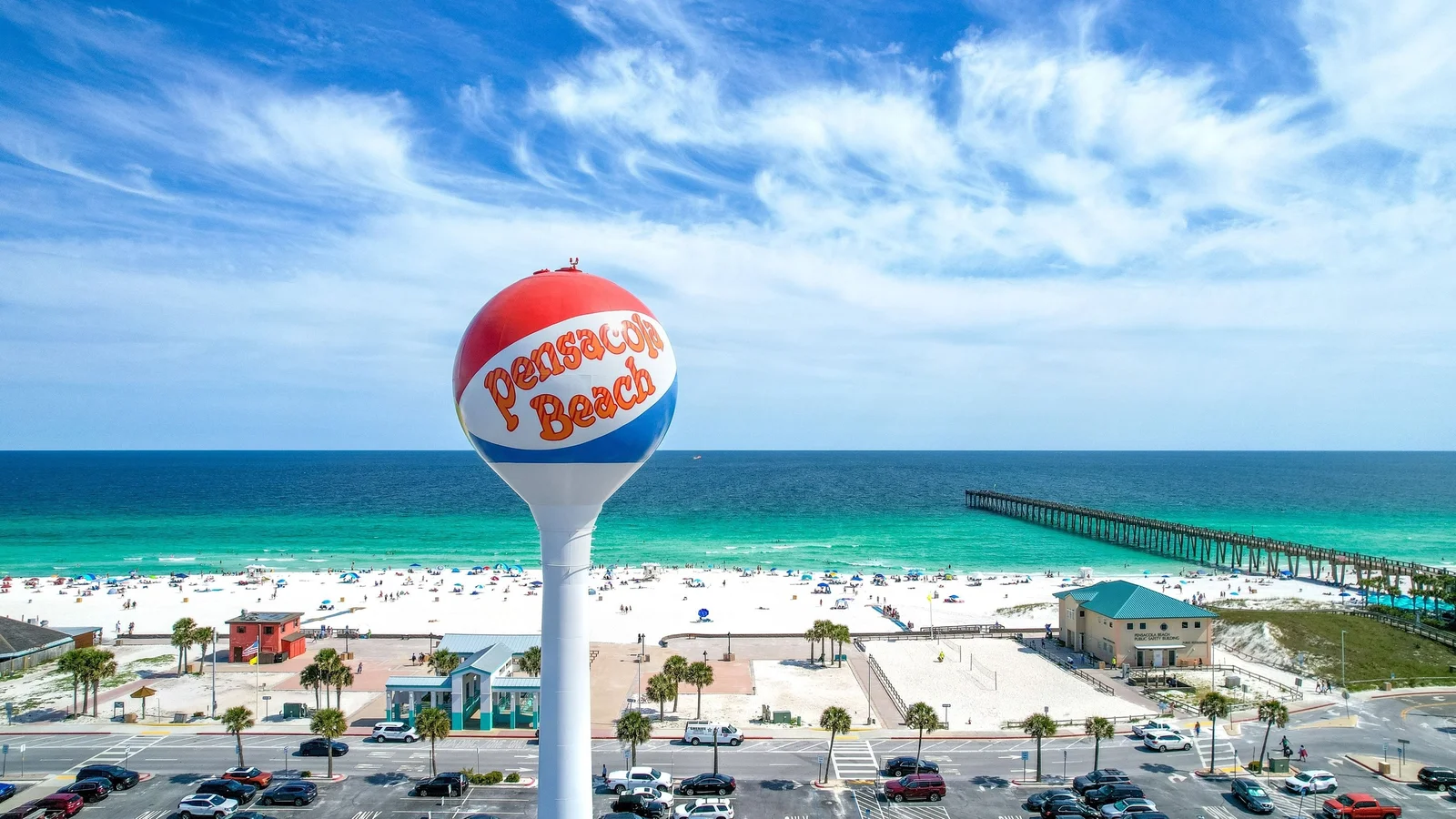
Pensacola Beach sits on land the county cannot sell. Owners hold 99-year leases, pay lease fees and property tax, and remit the 5% tourist tax themselves.
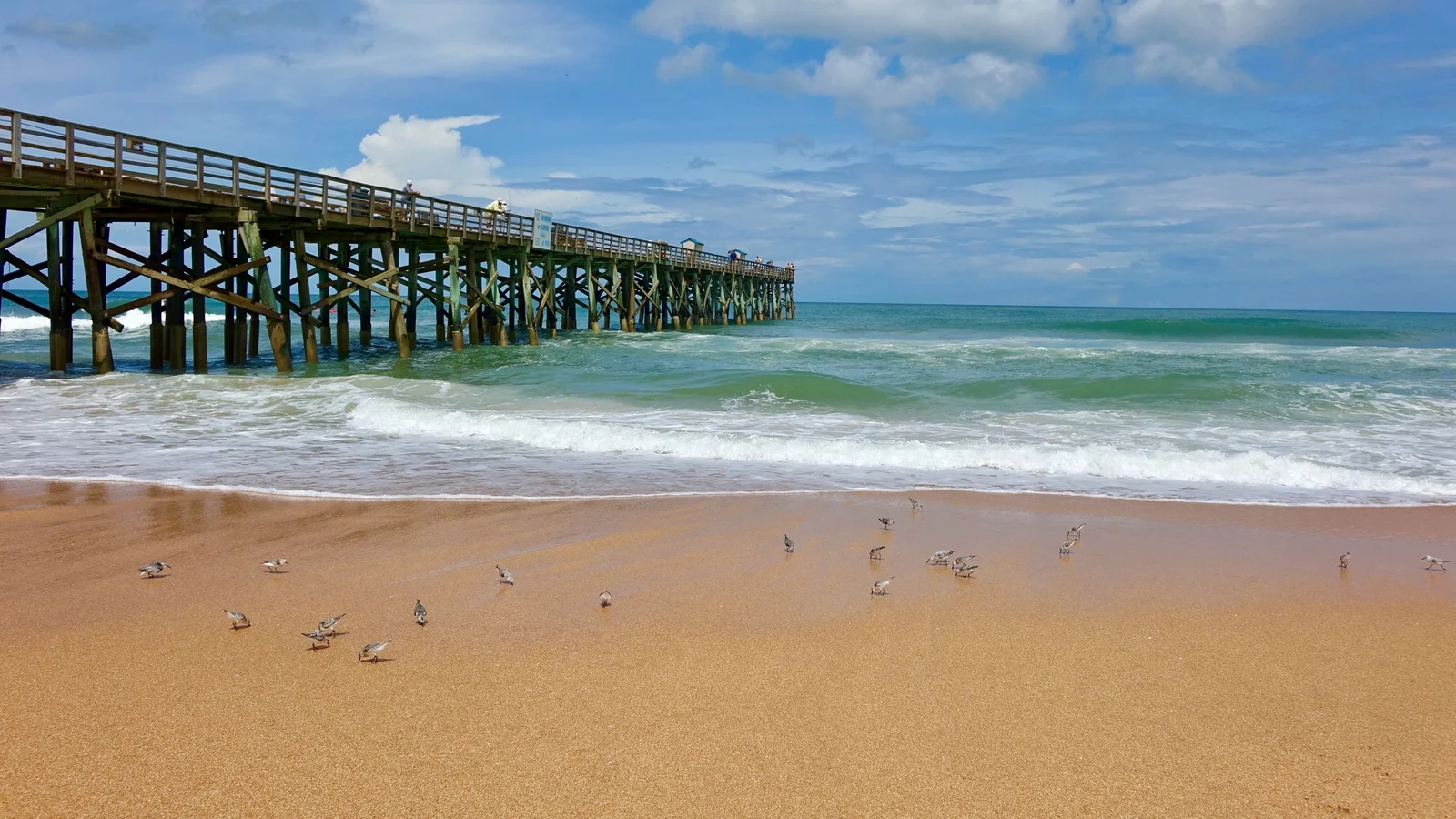
Flagler is one county with three answers: Palm Coast, Flagler Beach and unincorporated. The 5% county tax is owner-remitted whichever one you buy in.
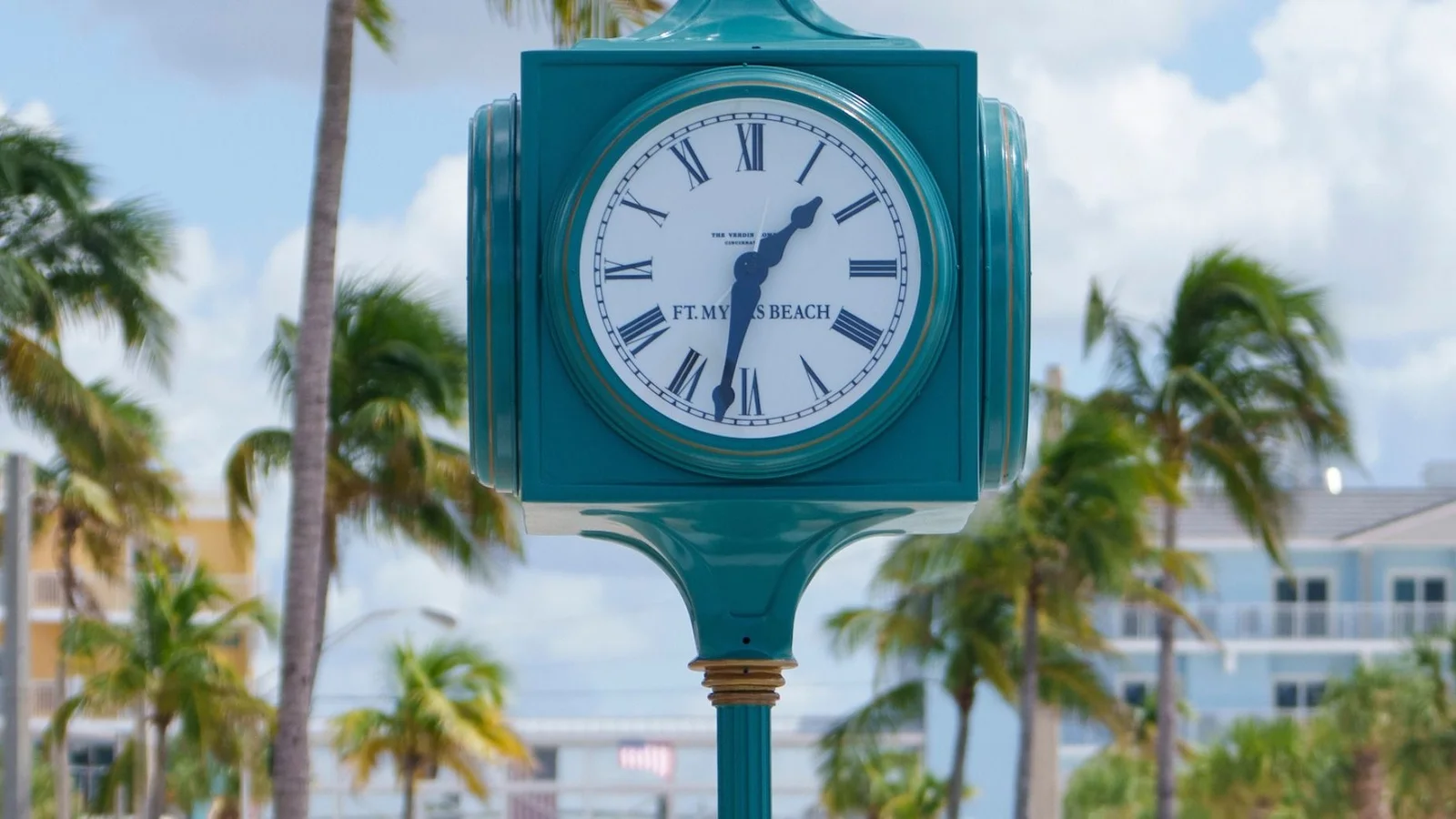
The Town requires annual registration of rental properties. After Ian the harder question is physical: what was rebuilt, to which code, and at what elevation.
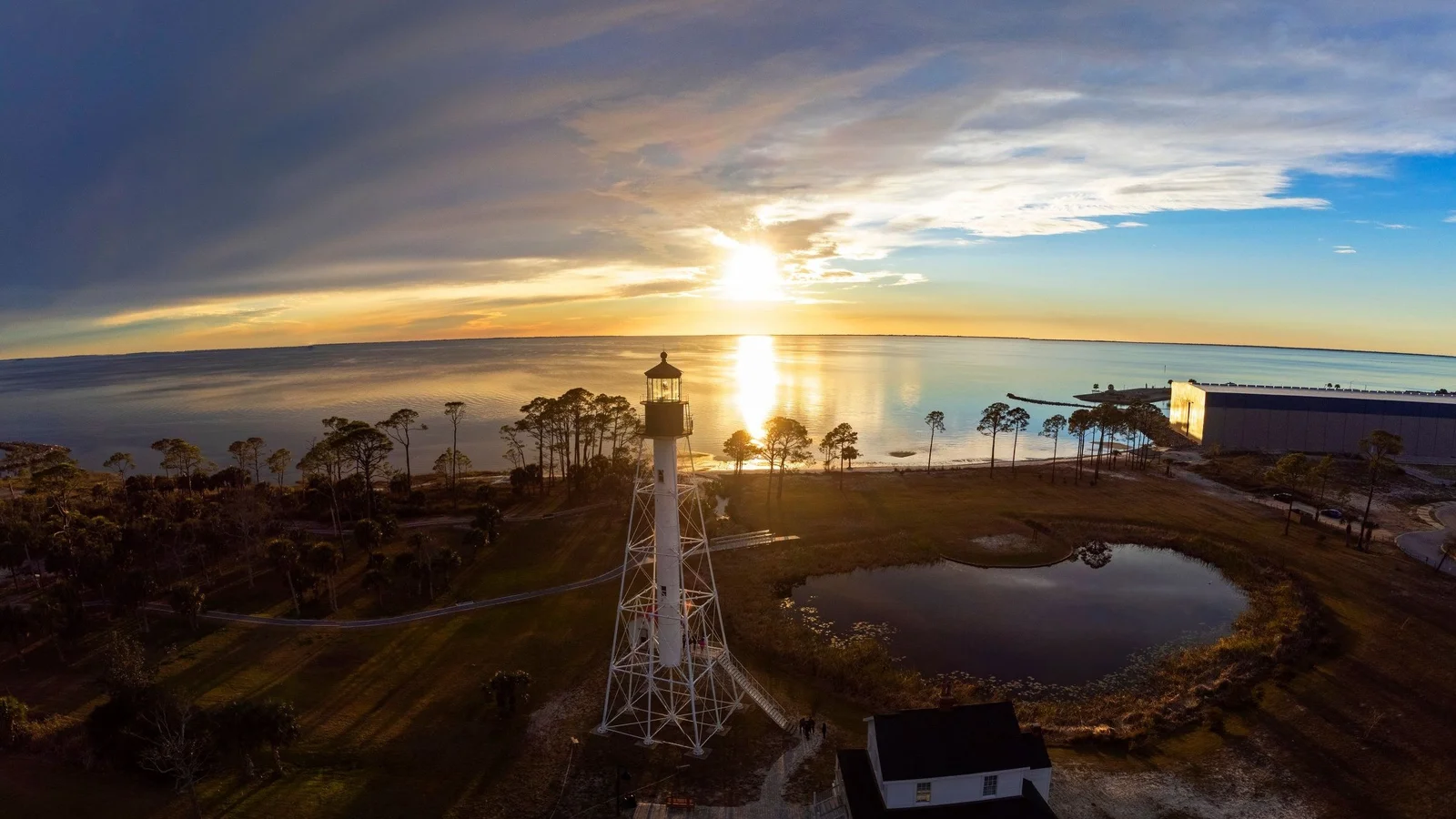
Cape San Blas and Port St. Joe run on a 5% county tourist tax no platform collects, in a county that rebuilt its housing stock after Hurricane Michael.
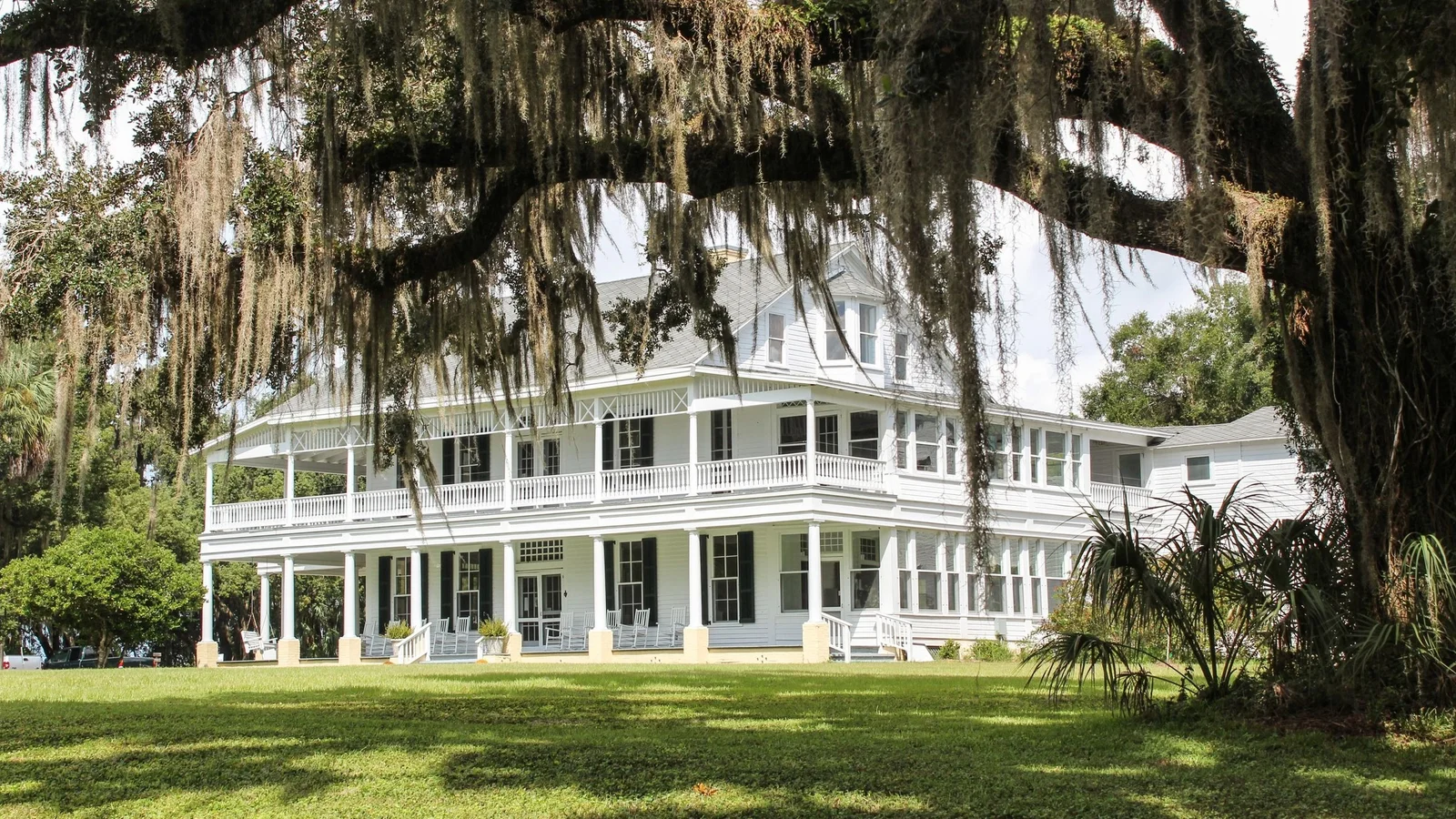
Airbnb remits Hernando's 5% county tax on its own bookings. Vrbo, Booking.com and every direct reservation are the owner's to collect, register for and file.
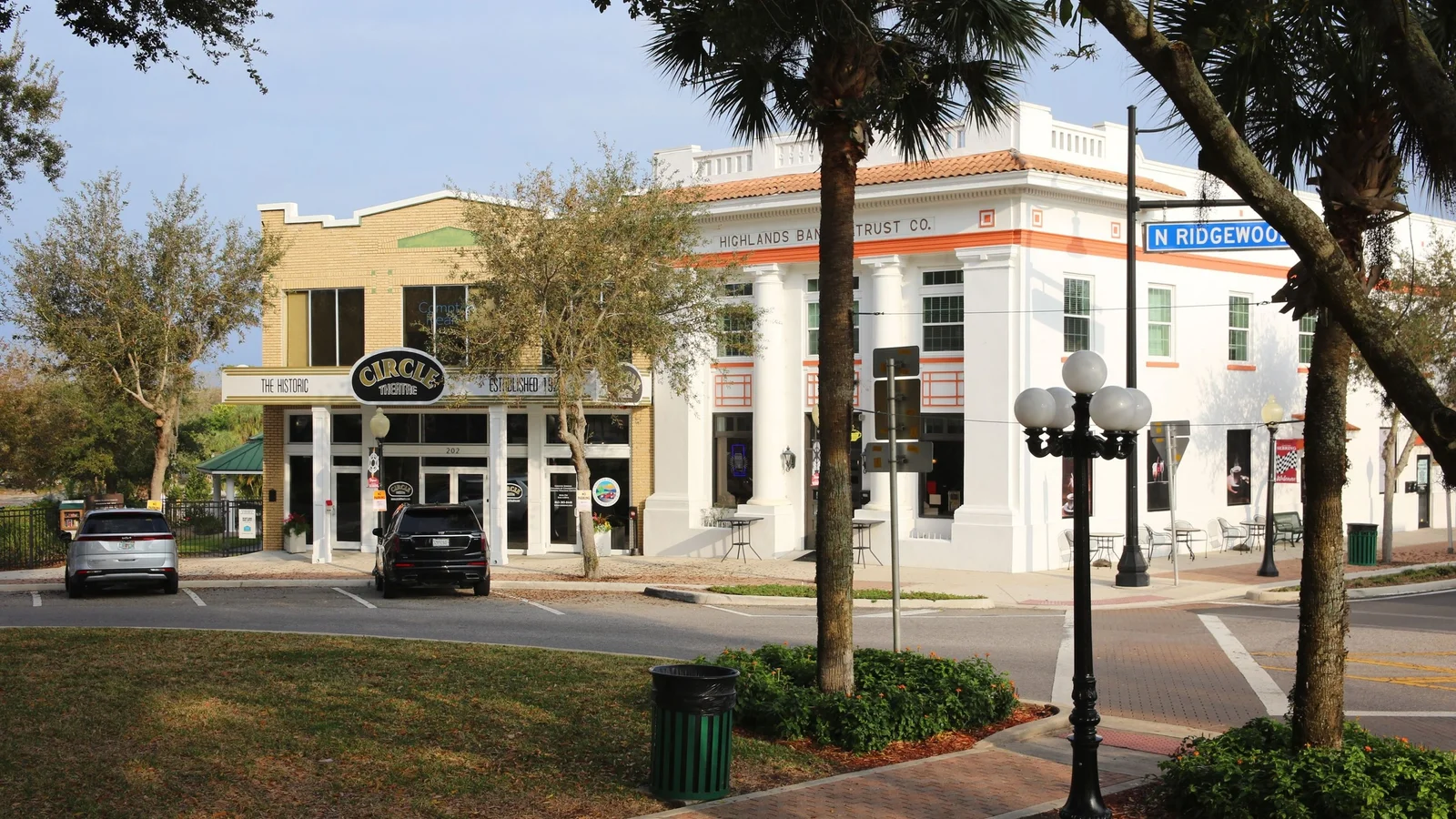
One March race week can outweigh whole quiet months here. The 5% county tax is state-administered, and the year's revenue arrives in a very short window.
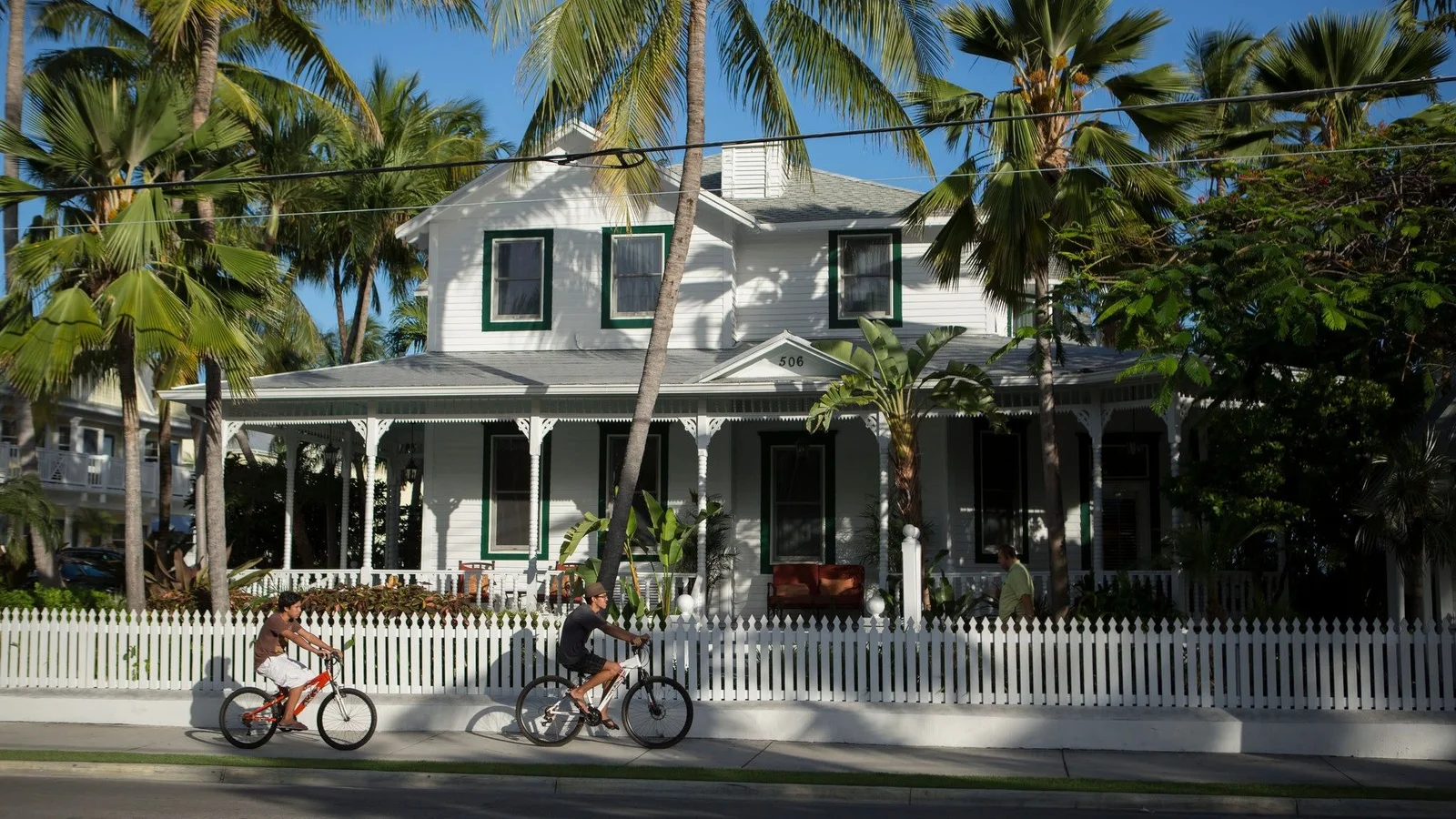
In Key West the right to let short-term is a capped, property-attached licence. Without one the model is 30 days or more, and the licence carries its own value.
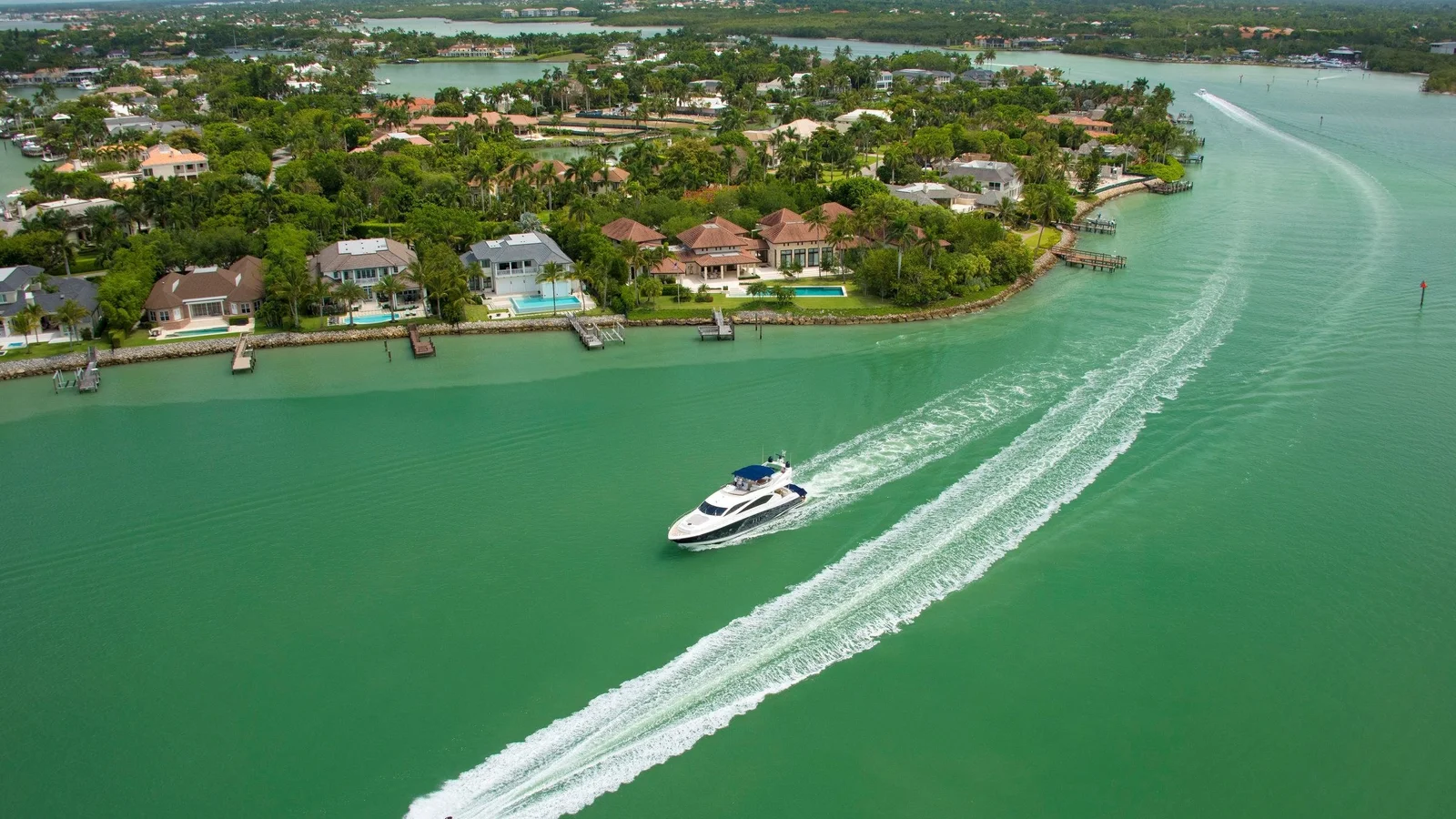
Inside Naples city limits lettings must run 30 days or more, except three times a calendar year. City properties are exempt from the county registration.
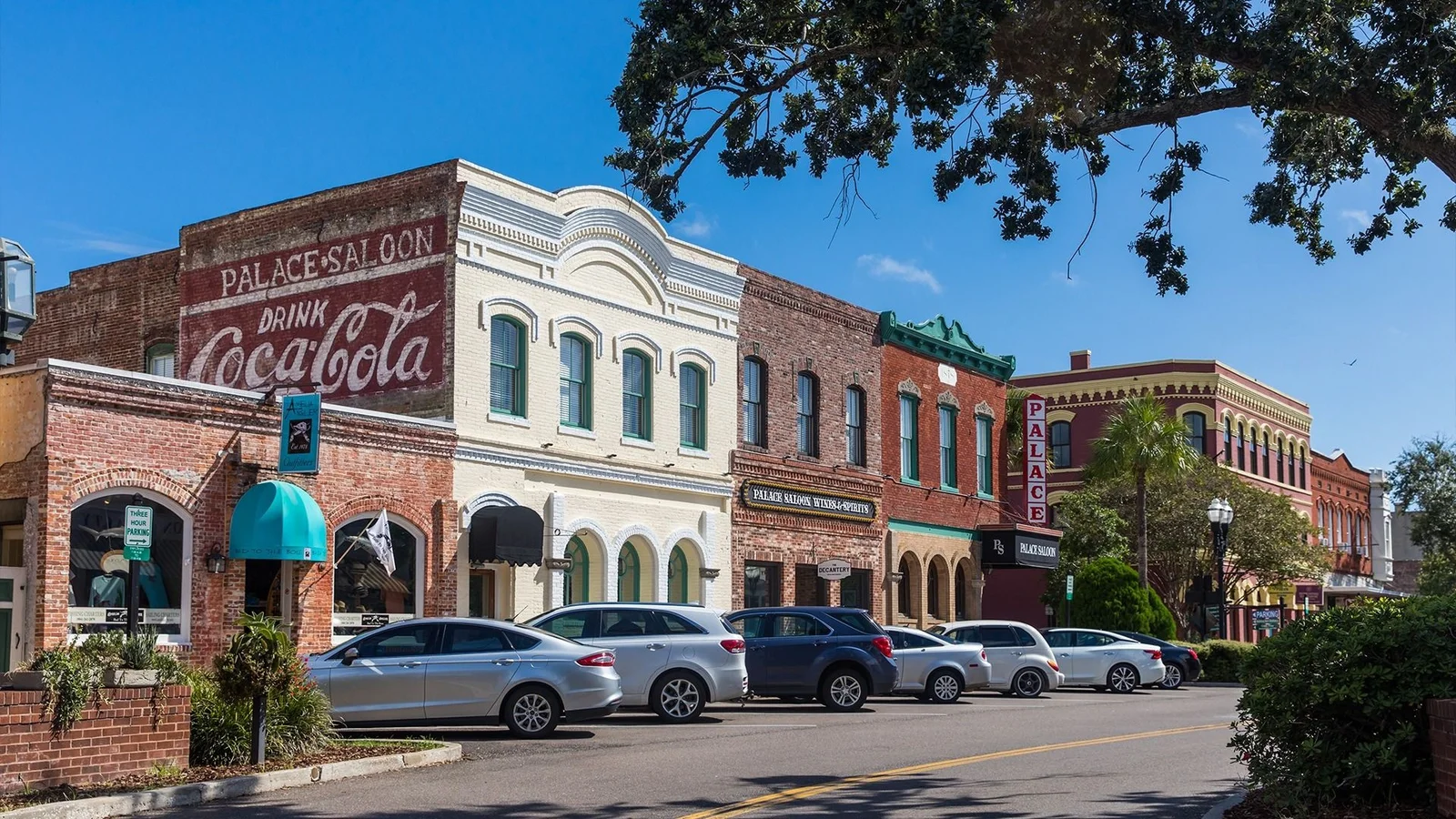
Nassau County's 5% tourist development tax applies only inside ZIP code 32034. Cross that boundary and the county tax stops, while every other obligation stays.
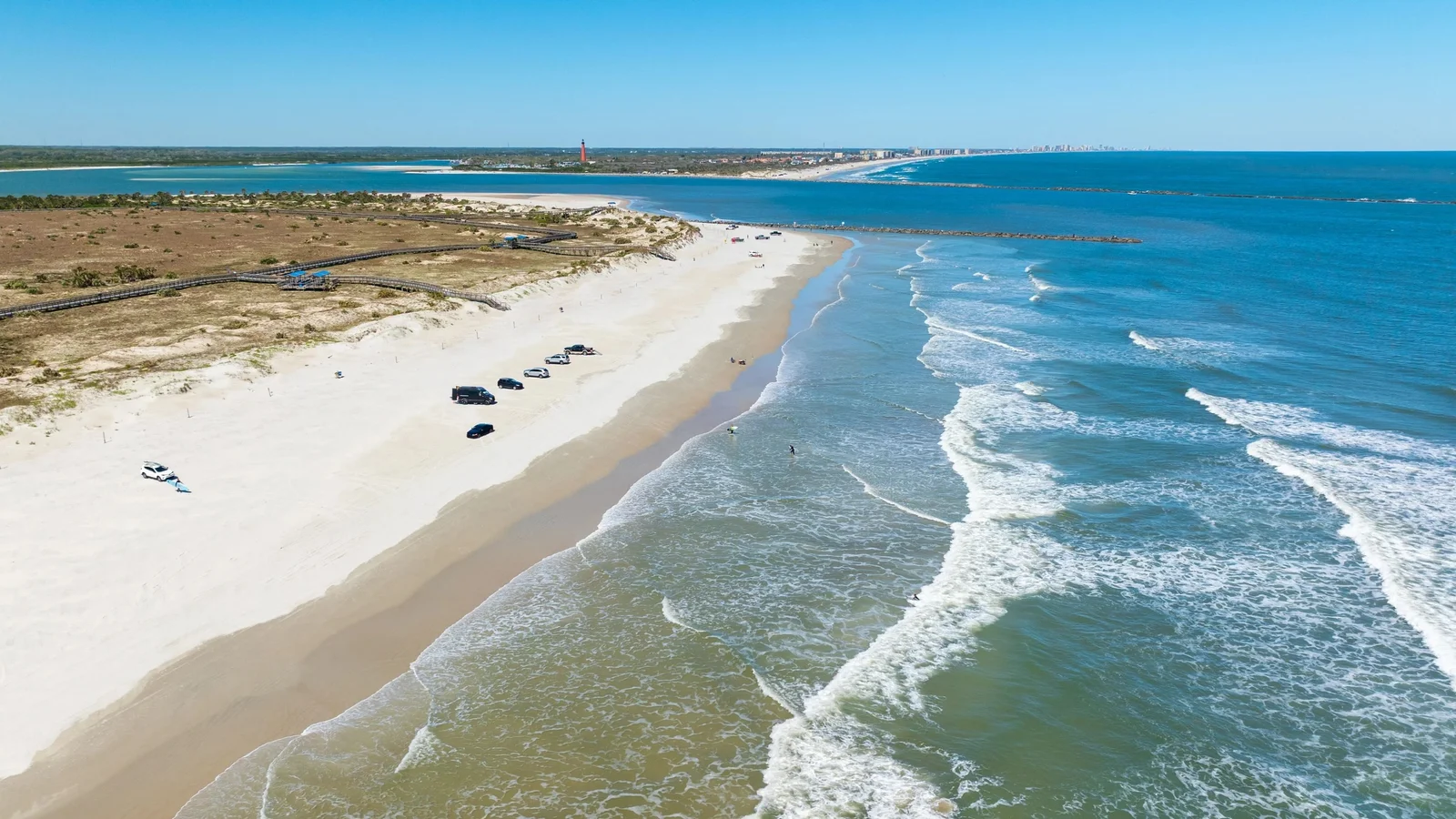
Volusia bans lettings under 30 days in unincorporated areas and most residential zones. New Smyrna permits them only in designated zones, largely beachside.
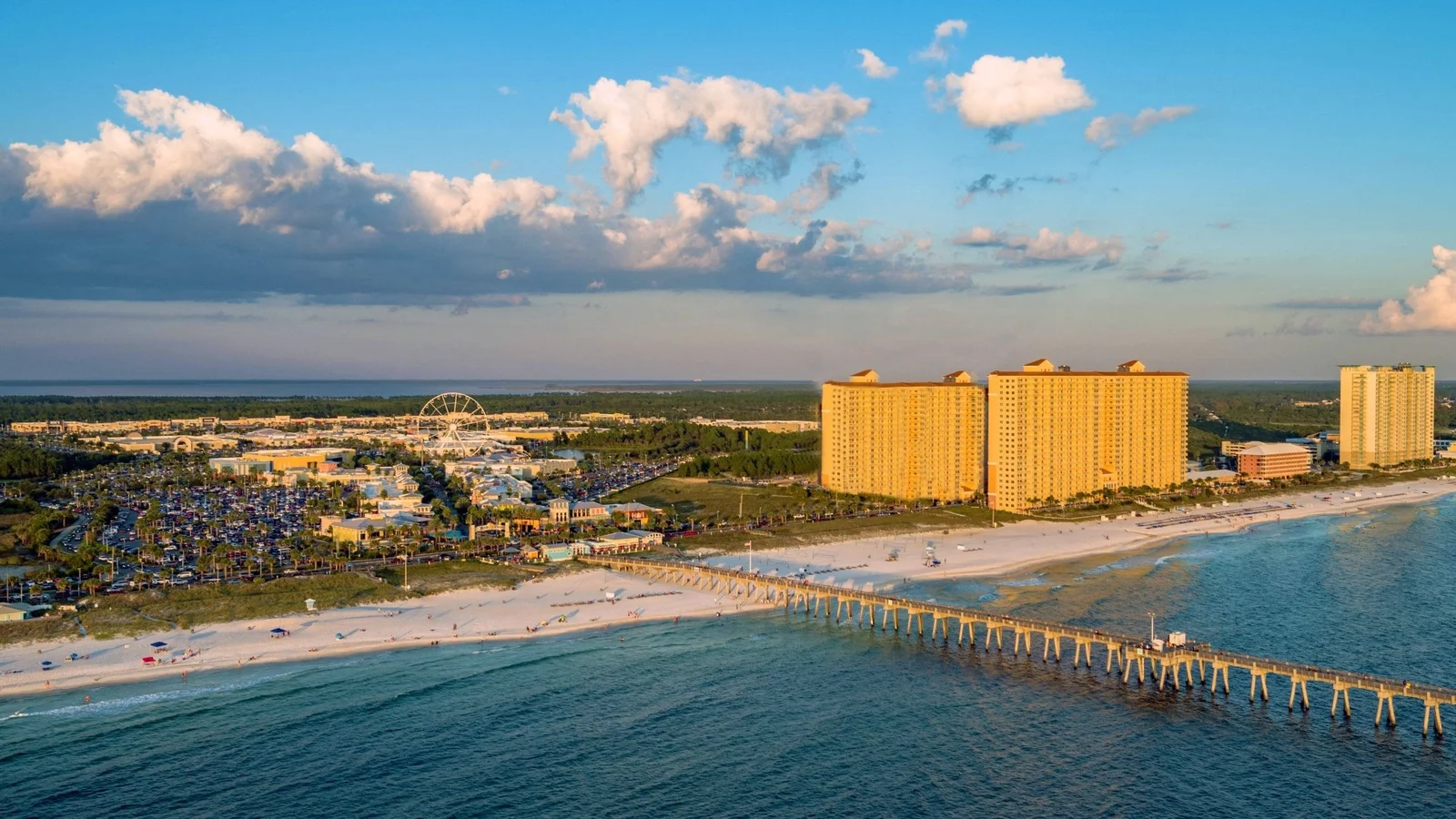
Ordinance 1632 makes it unlawful to let without a Vacation Rental Certificate and a life-safety inspection. Bay County's 5% applies only in listed postcodes.
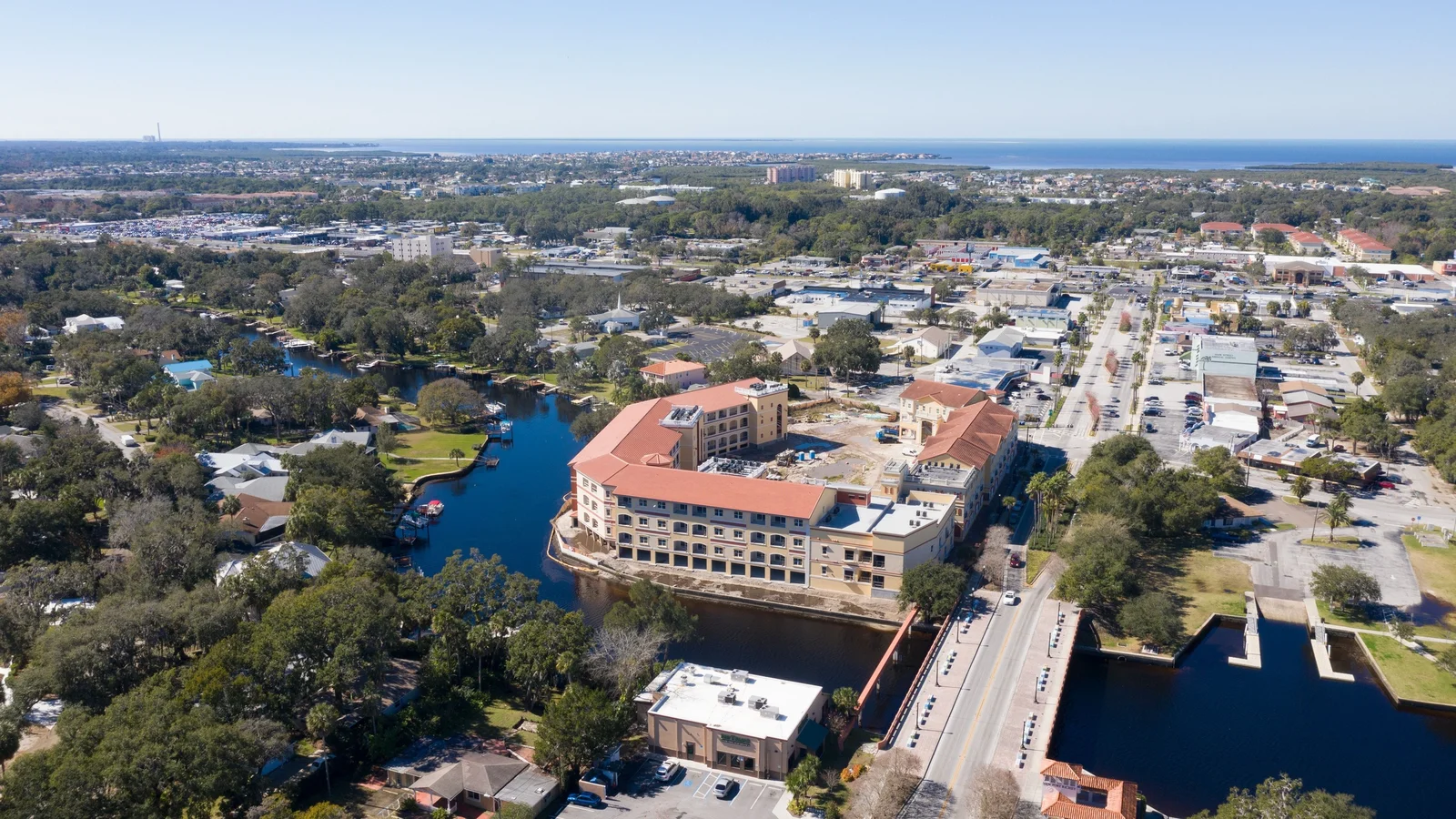
Pasco's short-stay demand is medical, contract and relocation, not tourism. Those 30 to 90 day lettings are transient for tax and invisible to platforms.
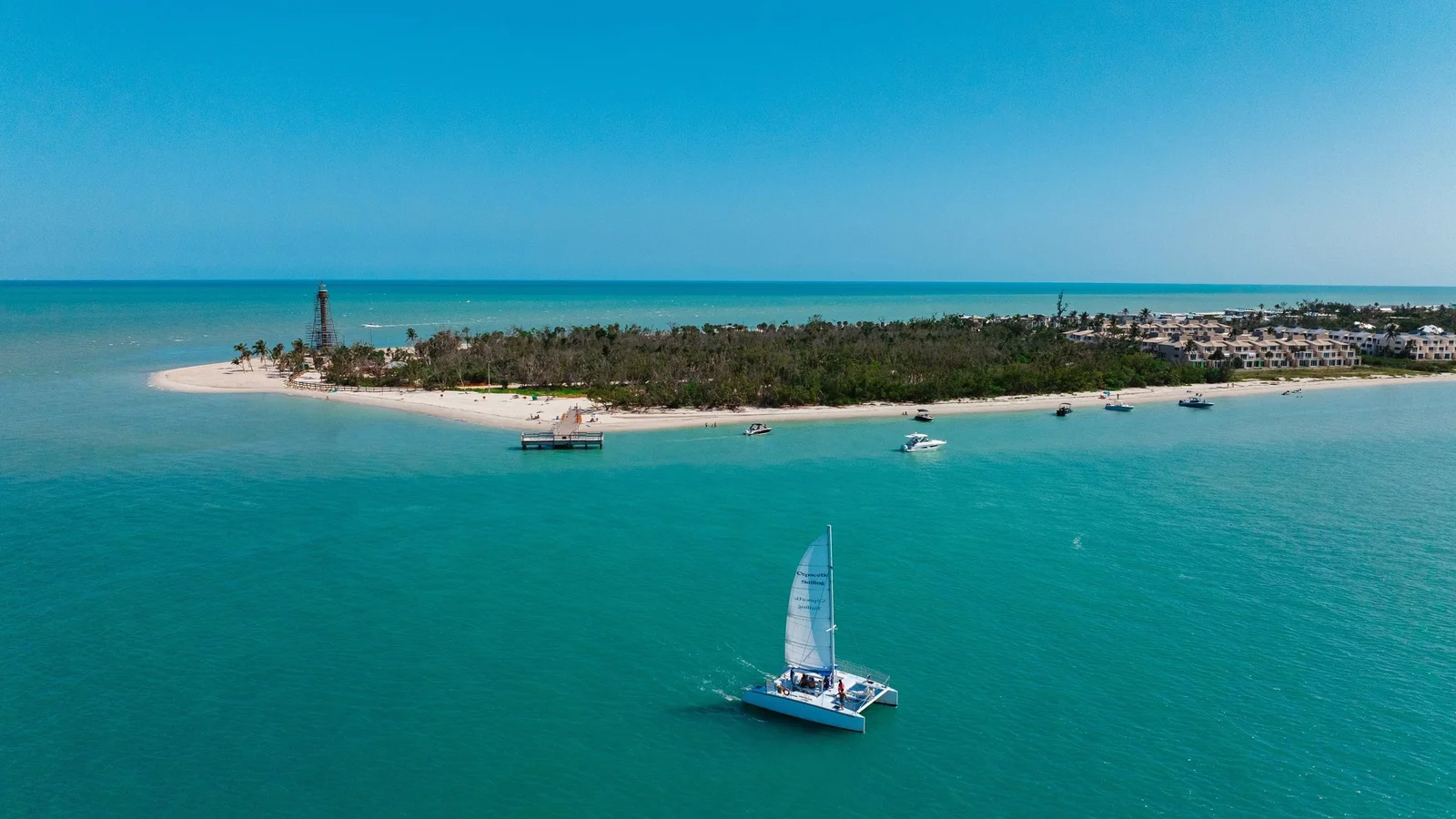
Sanibel limits single-family lettings to 28 days or more. Weekly letting exists only in named grandfathered complexes, so the building you buy is the rule.
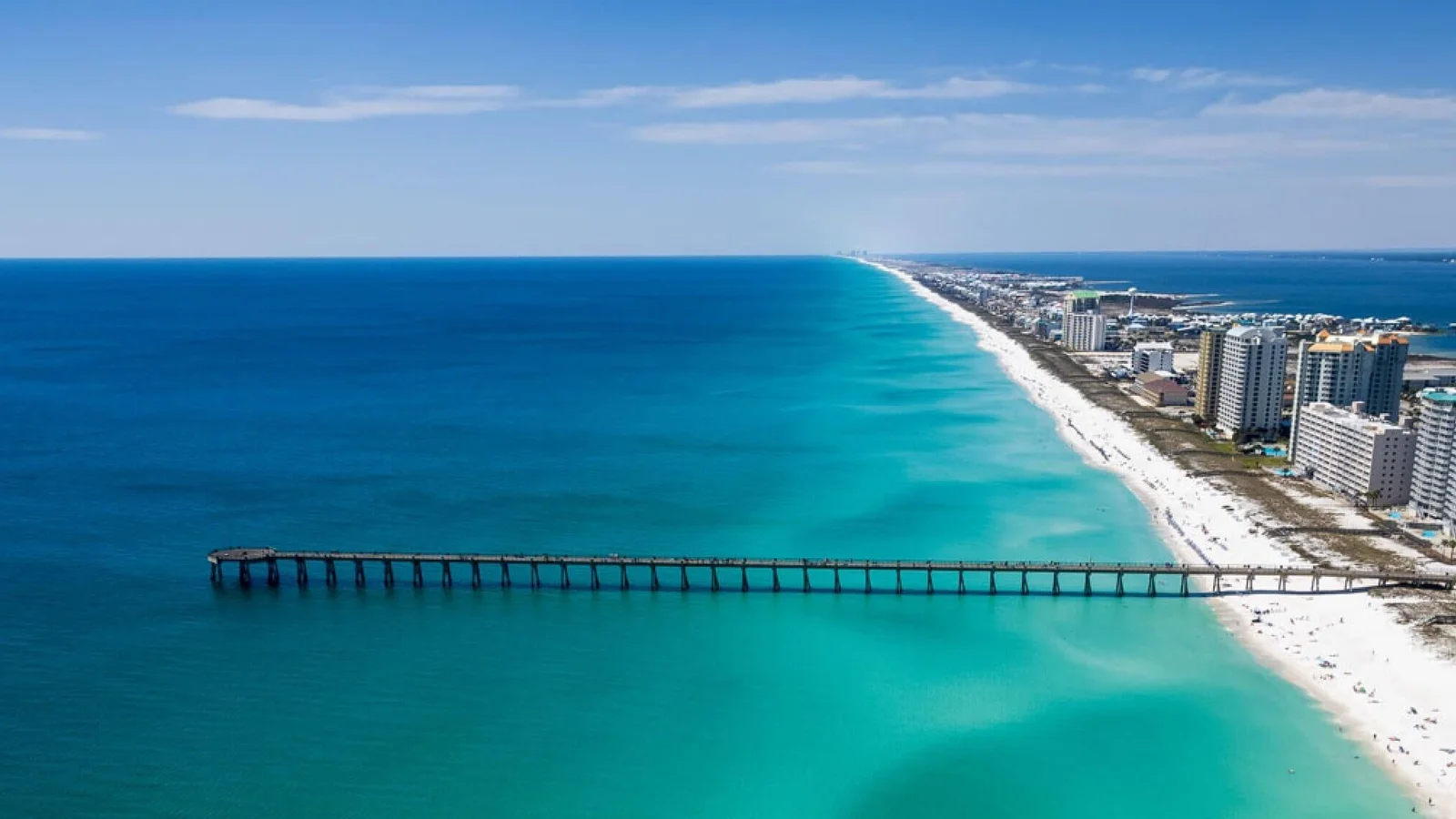
The county line runs through the barrier island. Two neighbouring beach houses answer to different authorities, and Airbnb collects neither county's tax.
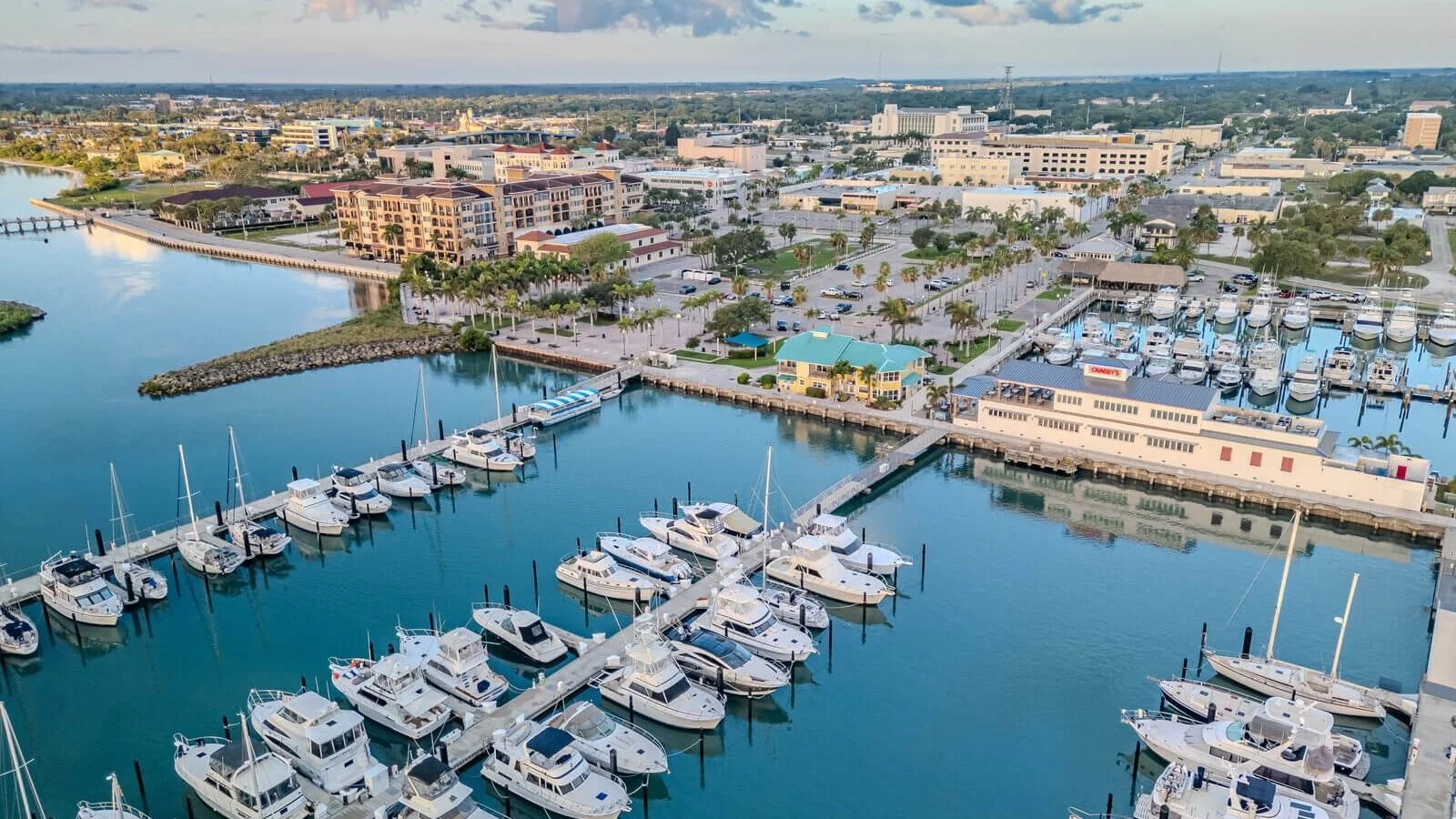
St. Lucie is a long-term rental market with a thin coastal strip. The owner remits the 5% county tax, and the CDD assessment on new stock is not an HOA fee.
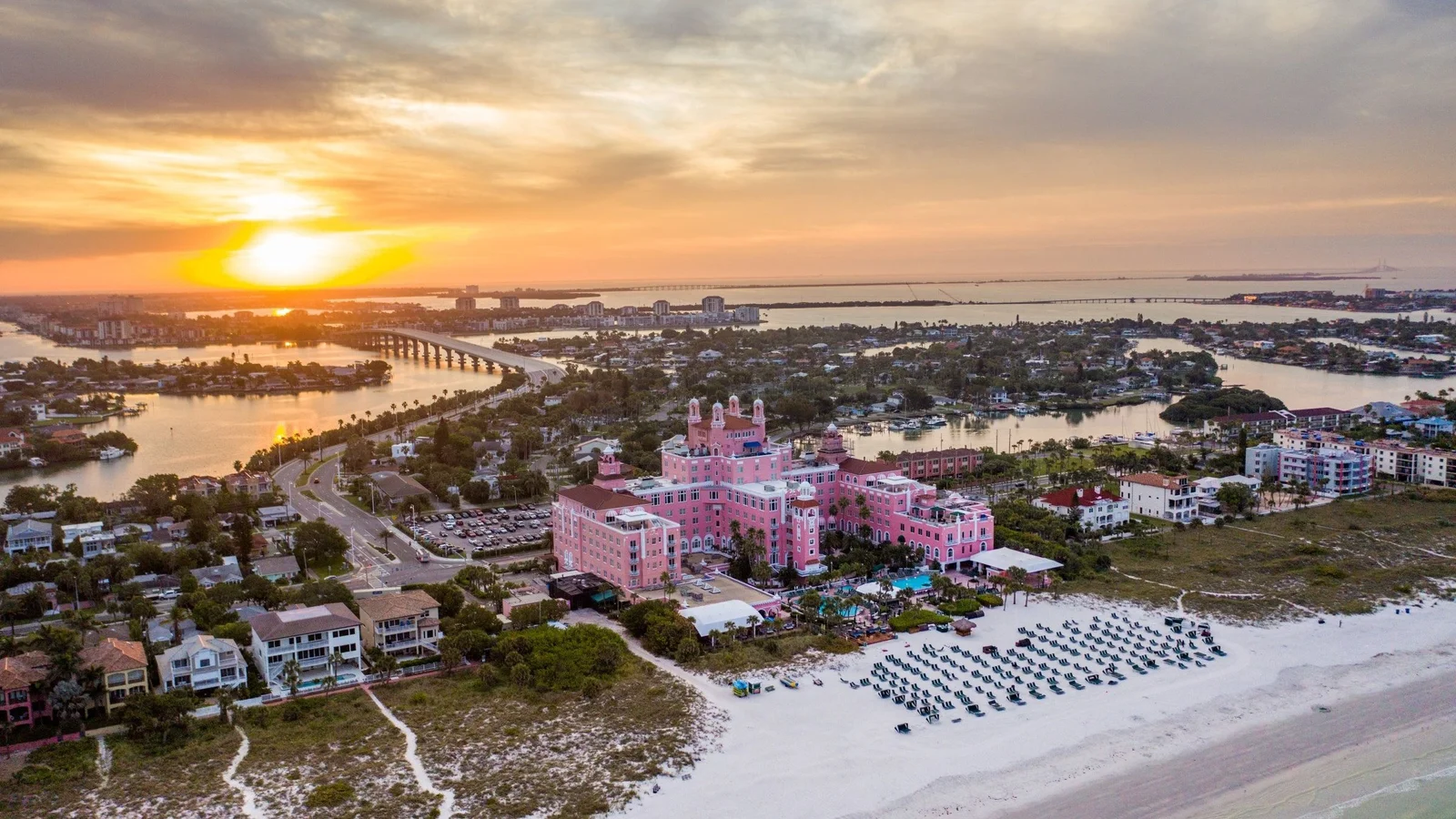
In the RM and Pass-a-Grille districts you may let under 30 days exactly three times a year. Over 30 days there is no cap anywhere in the city.
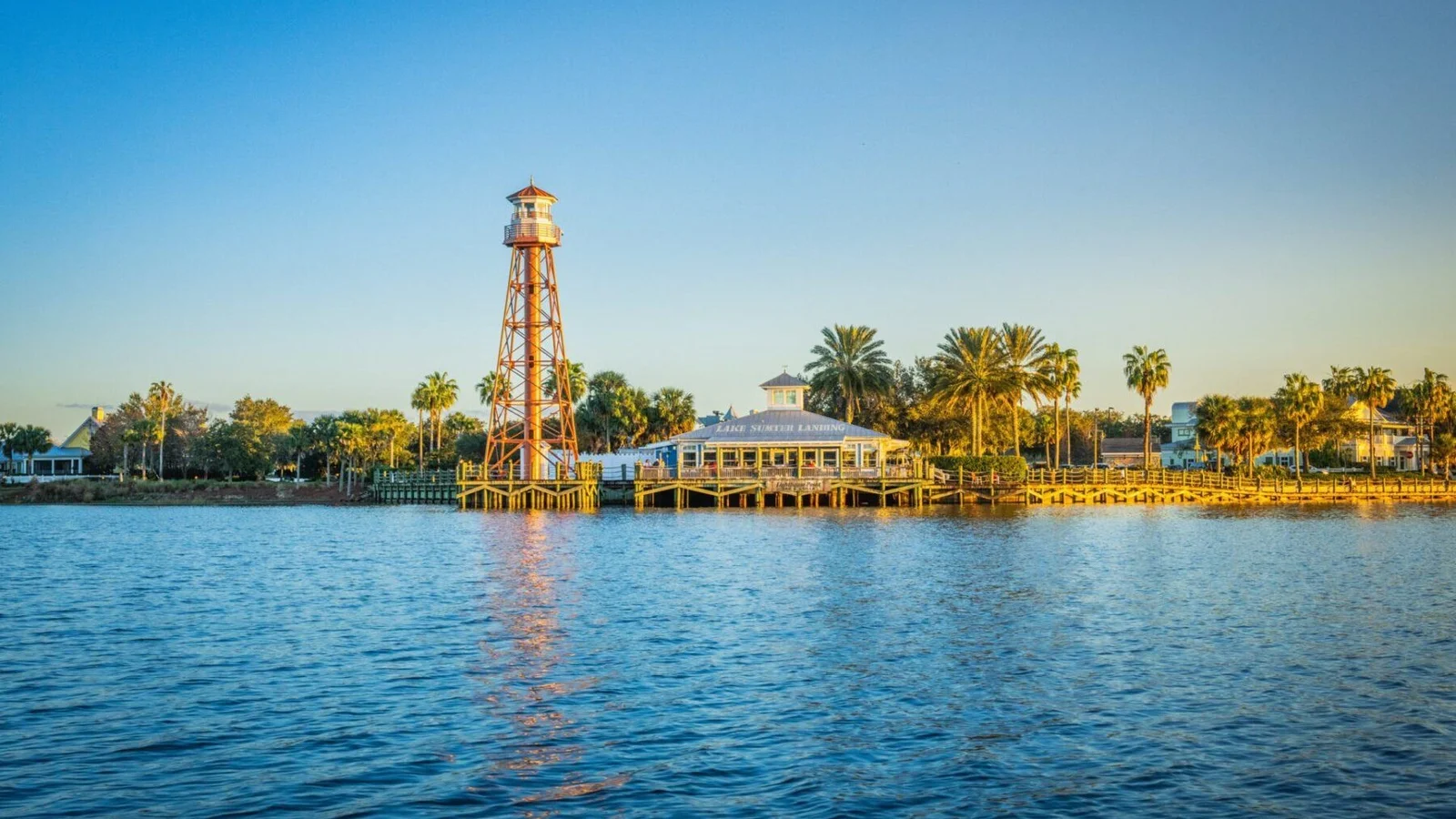
Sumter levies no tourist development tax at all. In The Villages the binding rules are private deed restrictions and 55+ housing law, not a county ordinance.
No. Florida Statute 509.032(7)(b) preempts local governments from prohibiting vacation rentals or regulating how often or how long a property may be rented. What counties and cities do keep is control over zoning, registration, permits, occupancy limits, parking and noise, which is why the practical rules differ so much between neighbouring counties.
Yes, in most cases. If you rent for periods under 30 days more than three times a year you need a DBPR vacation rental licence at state level, plus a Florida sales tax registration, plus whatever registration your county or city requires. The three are separate filings with separate renewal dates.
No. State preemption binds local government, not private associations. An HOA or condo declaration can impose a six-month minimum stay and enforce it with fines even where county rules would allow nightly rentals. This is the single most common reason an otherwise sound short-term rental model fails after closing.
State sales tax of 6% plus any county discretionary surtax, plus the county tourist development tax. Combined rates typically land near 12% to 13% in the major rental counties. Platforms collect some of these automatically and not others, and the split varies by county, so confirm which portion you remain liable to remit yourself.
Orange, Osceola and Polk counties have permitted whole-home vacation rentals in designated areas for decades and remain the most established markets, which is why the Orlando resort-community corridor is built around them. By contrast the City of Orlando itself restricts short-term rentals tightly, requiring host presence during stays. County and city rules are not interchangeable.
Tell us your budget and whether you want nightly or annual tenants. We reply within one business day with counties and specific properties that match.