Quick answer: A Structural Integrity Reserve Study (SIRS) inventories major building components, estimates remaining useful life, and calculates reserve funding needs for Florida condos subject to SB 4-D.
SIRS reserve study appears constantly in Florida purchase agreements, lender term sheets, association estoppel letters, and tax filings. Foreign buyers and domestic income investors encounter the concept at different stages, offer, financing, operations, and exit, but the definition stays the same. This page explains the term in plain English, shows a Florida-specific scenario, and links to deeper guides for execution.
Start with Florida condo safety SB 4-D guide and Condo special assessments in Florida when you need step-by-step workflows beyond this glossary entry. Pair this definition with related terms in the glossary index to build a complete Florida underwriting vocabulary.
In Florida
A Structural Integrity Reserve Study (SIRS) inventories major building components, estimates remaining useful life, and calculates reserve funding needs for Florida condos subject to SB 4-D.
In Florida real estate investing, SIRS reserve study connects statutory rules, market practice, and spreadsheet math. Treat the formal definition as the anchor, then map how local counties, associations, and lenders interpret the term on real transactions.
| Element | Meaning for investors |
|---|---|
| Core concept | SIRS reserve study |
| Primary risk if ignored | Deal delay, tax penalty, or yield miscalculation |
| Typical document source | Contract addenda, estoppel, tax notices, lender conditions |
| Professional sign-off | Florida attorney, CPA, or broker as applicable |
A Florida-specific example
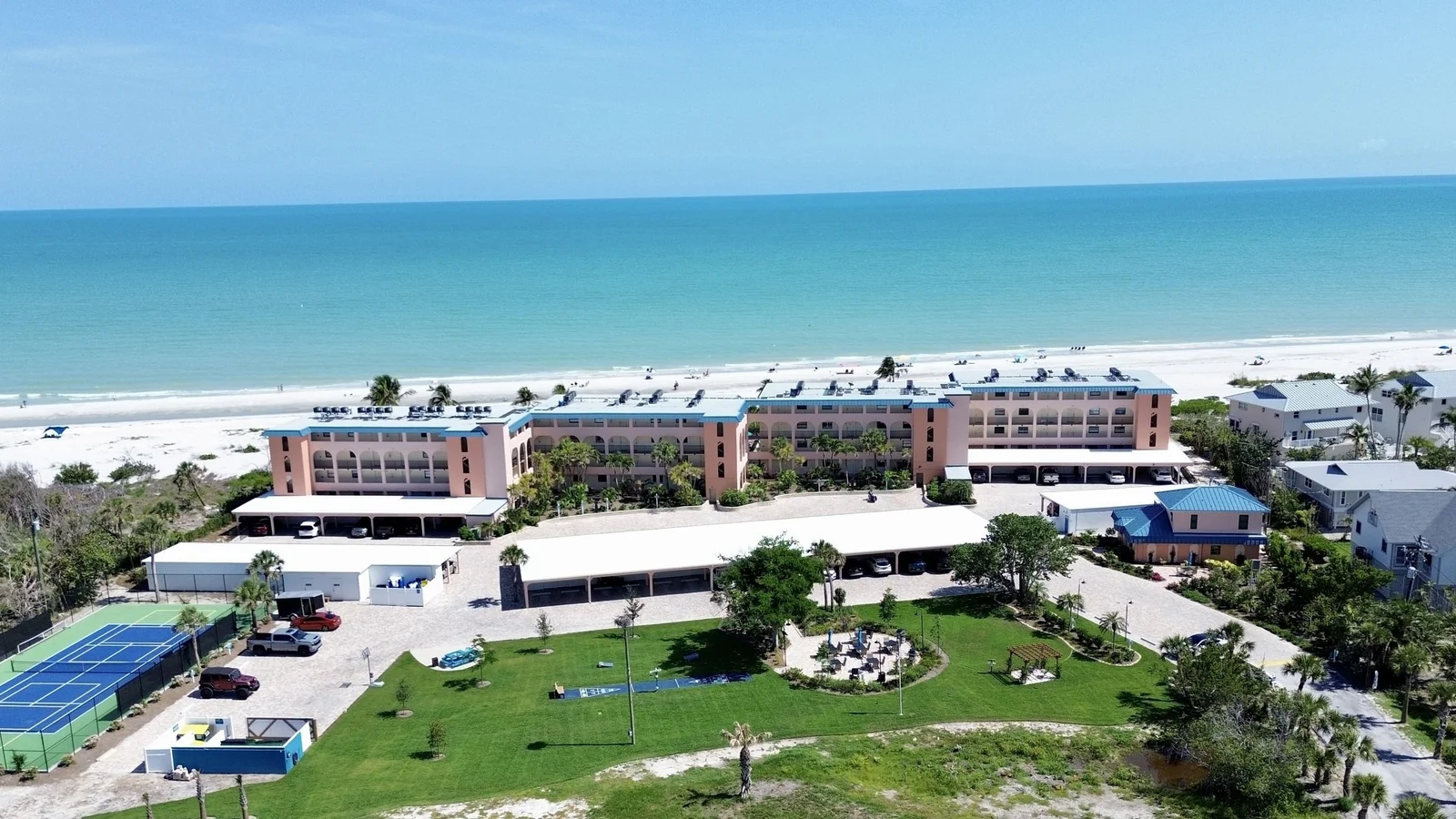
A Broward condo SIRS may flag $8 million in deferred balcony and roof work, signaling a special assessment risk that caps investor cap rate even when in-place rents look attractive.
Walk through the example with your own parcel data before relying on market averages. Florida enforcement varies by county staff, association managers, and lender overlay rules even when state statutes read the same statewide.
How do investors use in underwriting
| Investor use case | Application in Florida |
|---|---|
| Reserve adequacy review | Compare SIRS funding plan to association bank balances |
| Assessment forecasting | Model 5-year special assessment probability from SIRS tables |
| Cap rate adjustment | Increase expense load for underfunded reserve schedules |
| Lender questions | Answer whether association complied with SB 4-D reserve rules |
| Seller negotiation | Request credits when SIRS shows immediate funding gaps |
Investors reference SIRS reserve study during screening, underwriting, and exit planning. Acquisition teams should log where the term appears in diligence checklists so nothing slips between contract and closing.
A worked example with numbers
| Line item | Value | Florida context |
|---|---|---|
| Component | Roof replacement | Remaining life 4 years |
| Estimated cost | $2.1M | Per SIRS engineer |
| Current reserves | $400,000 | Association balance |
| Funding gap | $1.7M | Likely special assessment |
| Per-unit share | $9,722 | On 175 units |
Replace illustrative values with verified figures from trailing statements, appraiser rent schedules, and closing disclosures on your target asset.
Advantages and disadvantages of for investors
| Advantage | Detail | Disadvantage | Detail |
|---|---|---|---|
| Quantifies deferred maintenance exposure | Forces cash calls when underfunded | Long-term planning tool for associations | Short-term pain for current owners |
| Aligns reserve contributions with engineering life cycles | Raises monthly HOA dues | Reduces surprise catastrophic special assessments | Still relies on board enforcement |
| Investors can underwrite assessment risk explicitly | Bad SIRS can freeze resale market |
What common mistakes should investors avoid
- Reading HOA reserve balance without opening the full SIRS component schedule
- Assuming insurance proceeds cover items listed as association capital obligations
- Ignoring pool, garage, and seawall line items separate from unit interior
- Buying when board minutes show vote to defer SIRS funding mandates
- Treating new buildings as exempt from future SIRS cycles
Red flags often cluster: missing written confirmations, outdated association reports, pro forma rents without tax remittance, and verbal assurances from sellers who will not put representations in the contract.
What Florida numeric reference snapshot applies
| Benchmark | Typical range | Where SIRS reserve study shows up |
|---|---|---|
| Documentary stamp tax | 0.7% of purchase price | Closing statements and deed cost stacks |
| Florida STR sales tax | 6% on gross rent | STR tax registration alongside SIRS reserve study planning |
| Combined STR tax stack | 12% to 13% in major counties | Osceola, Orange, Miami-Dade tourist corridors |
| DBPR vacation rental license | $155 per year | STR compliance parallel to ownership structures |
| Foreign buyer cash share | 55% to 65% on sub-$1M Miami condos | Entity and FIRPTA planning with SIRS reserve study |
| Condo special assessment | $10,000 to $80,000 per unit | SB 4-D and reserve studies tied to SIRS reserve study |
| Long-term net yield | 3% to 5% on Miami condos | Cap rate and cash-on-cash comparisons |
| DSCR investor rates | 7.25% to 8.10% in 2026 | Leverage decisions affecting SIRS reserve study math |
| Homestead exemption | Up to $50,000 assessed value | Primary residence only, not most investor rentals |
| FinCEN reporting window | 30 days on qualifying transfers | Entity purchases overlapping SIRS reserve study diligence |
Use this table as orientation only. Replace ranges with figures from your contract, tax notice, or lender term sheet before making investment decisions.
Parent guides
- Florida condo safety SB 4-D guide
- Condo special assessments in Florida
- Florida property insurance investment costs 2026
Related glossary terms
Investors researching SIRS reserve study on Florida acquisitions should document every verification step in writing: county confirmations, association estoppel responses, tax account screenshots, and lender condition sheets. Written records protect against post-closing disputes when guests, heirs, or tax authorities raise questions.
Professional operators underwrite SIRS reserve study across multiple Florida metros simultaneously. A term that appears identical on paper can carry different enforcement intensity in Miami-Dade, Orange, Osceola, and Hillsborough counties. Normalize local practice before comparing deals on a spreadsheet.
Cross-border buyers encounter SIRS reserve study most often during remote closings. Build extra lead time for ITIN issuance, FIRPTA certificates, foreign wire sourcing reviews, and insurance quotes that underwriters refresh weekly in Florida storm markets.
When SIRS reserve study affects condo associations, request documents in the same escrow package: milestone inspection PDFs, SIRS tables, three years of special assessment history, and master insurance declarations. Missing one folder can hide six-figure liability.
Seasonality shapes how SIRS reserve study shows up in STR math. Shoulder-month occupancy often determines whether DSCR, cap rate, and cash-on-cash targets survive the first year of ownership. Stress-test low-season weeks separately from peak holiday averages.
Entity structure changes how SIRS reserve study is reported and enforced. LLC, trust, and personal title each carry distinct tax, probate, and lending implications. Align entity choice with exit strategy before signing the purchase agreement.
Insurance and tax lines interact with SIRS reserve study on Florida balance sheets. A property that clears zoning may still fail underwriting when wind premiums jump or when TDT registration lags the first guest booking.
Use SIRS reserve study as a screening filter, not a substitute for professional advice. This glossary orients acquisition teams; Florida-licensed attorneys, CPAs, and brokers sign off on final compliance and filing obligations.
Investors researching SIRS reserve study on Florida acquisitions should document every verification step in writing: county confirmations, association estoppel responses, tax account screenshots, and lender condition sheets. Written records protect against post-closing disputes when guests, heirs, or tax authorities raise questions.
Professional operators underwrite SIRS reserve study across multiple Florida metros simultaneously. A term that appears identical on paper can carry different enforcement intensity in Miami-Dade, Orange, Osceola, and Hillsborough counties. Normalize local practice before comparing deals on a spreadsheet.
Florida Estate publishes investor research, not legal or tax advice. Verify SIRS reserve study on your transaction with Florida-licensed professionals before closing.
Florida Estate’s insider tip
Insider tip: request the latest SIRS, the milestone reports, and the special assessment history before you close on any Florida condo. An underfunded reserve schedule means a special assessment or a large dues increase later, which lowers the cap rate you can achieve on identical gross rents.
Frequently Asked Questions
A Structural Integrity Reserve Study inventories major building components, estimates remaining life, and calculates required reserve funding under SB 4-D.
SIRS focuses on structural components mandated by SB 4-D,roofs, fire systems, load-bearing elements,beyond cosmetic association reserves.
Yes. When SIRS funding gaps exist, boards must plan assessments or large dues increases to fund required repairs.
Always. Request the latest SIRS, milestone reports, and special assessment history in condo due diligence.
Underfunded SIRS schedules raise effective operating costs and assessment risk, lowering achievable cap rate on identical gross rents.
Applying this to a real purchase?
Tell us your budget and target market and we will send a shortlist with this factored in, within one business day.