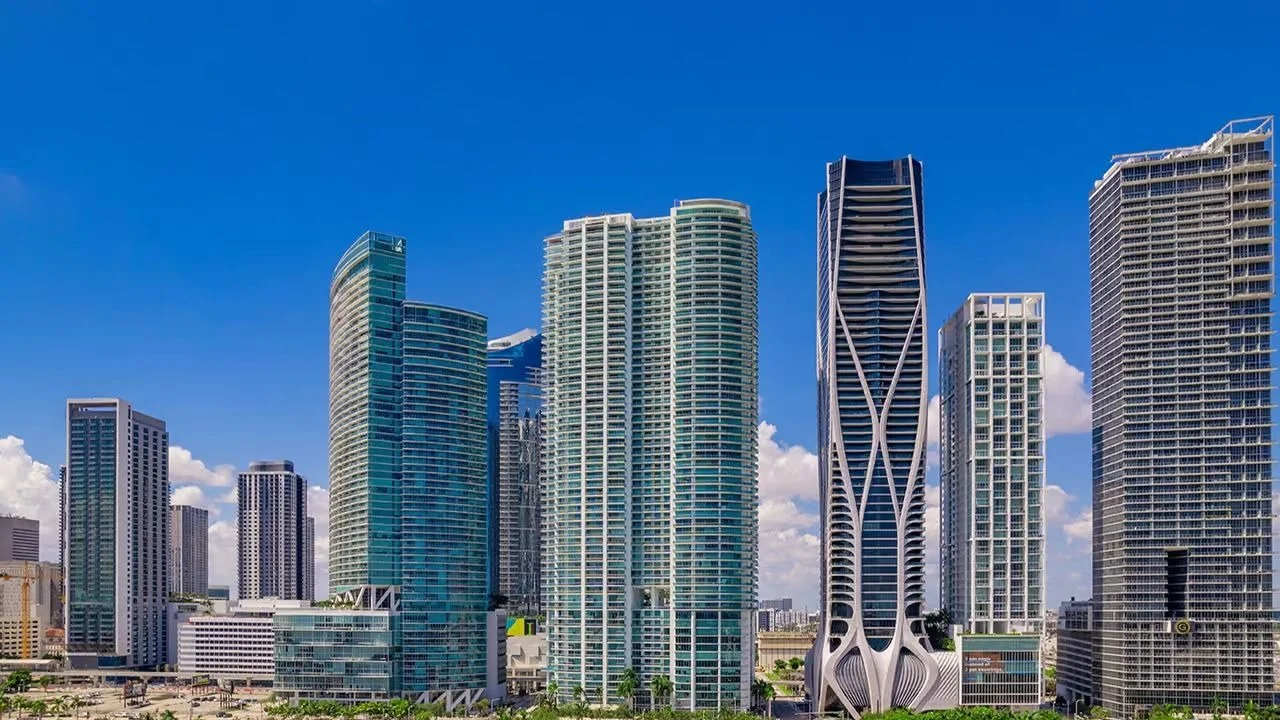
Quick answer: There is one thing to establish here before anything else, and it is not the price. Published sources give two different minimum lease terms for this building, 30 days and six months. Those are not variations on a theme, they are two different businesses: one permits a flexible medium-stay model, the other permits an annual tenant and nothing else. Settle it from the recorded declaration before you offer, because every yield number you build depends on the answer.
Two published answers, one of which is wrong
Search this building and you will find the rental rule stated two ways. Some sources say no lease may run shorter than 30 days. Others say the minimum is six months.
The difference is not academic. A 30-day floor supports a furnished medium-stay model with several tenancies a year, corporate lets, seasonal occupancy and higher rent per month. A six-month floor supports one annual tenant and a second only if the first leaves early. Gross rent, vacancy risk, furnishing cost, management fee structure and the tenant pool all change between those two worlds.
The resolution is straightforward and it belongs before an offer, not during diligence:
- Get the recorded declaration of condominium and every recorded amendment to it. Rental clauses are amended more often than buyers expect, and an old published summary is the usual explanation for a conflict like this one.
- Ask the management office in writing and keep the reply. A verbal answer from a listing agent is not a document.
- Ask specifically whether any amendment tightening the rental rule has been adopted in the last five years, and whether any grandfathering applies to units bought before it.
If the answer turns out to be six months, this building sits in the same category as Quantum on the Bay: an annual-lease asset. If it is 30 days, it is one of the more flexible large towers in Downtown Miami, and that flexibility is worth real money. Either conclusion is fine. Buying without knowing which one applies is not.
A last note on the conflict itself. When two reputable sources disagree about a rental clause, the usual cause is that one of them is quoting the original declaration and the other is quoting it after an amendment. That is useful information rather than noise, because it suggests the rule has changed at least once. A building that has already tightened its rental terms can tighten them again, and a landlord underwriting a ten-year hold should assume the direction of travel rather than the current wording. Ask for the amendment history in full, not just the current consolidated version.
2008, and a milestone inside your ownership
A 2008 certificate of occupancy puts the 25-year coastal trigger near 2033.
That places the SB 4-D milestone inspection and the reserve study behind it inside a normal ten-year hold. It is the defining financial fact of every 2008 Miami tower and it separates this building from the 2016 to 2018 stock where the same event sits beyond most ownership windows.
The sequence to understand is that the inspection is the last step, not the first. The structural integrity reserve study comes first, the funding percentage follows from it, and dues respond to the funding percentage years ahead of any engineer’s report. An association funding steadily since 2022 will meet 2033 with money in place. One that has been deferring will meet it with a special assessment, and in a 516-unit building an assessment is divided across many owners but is rarely small per unit.
Two documents answer this: the reserve study with its current funding percentage, and three years of dues history. The level of the dues tells you what the building costs today. The slope tells you what the board has decided about 2033.
Read the dues before you call them high
Association dues here include Hotwire cable and internet, water, sewer and trash removal.
That is the same bundling Terra Group used at Quantum on the Bay, and it produces the same comparison error. A tower where owners pay those bills separately shows a lower dues figure and a higher personal outgoing. The two are not comparable until you add the second one back.
| Step | What to do |
|---|---|
| This building | Take the monthly dues as quoted. Utilities are already inside. |
| Comparison building | Add its typical monthly internet, cable, water, sewer and trash. |
| Then | Compare the two totals, not the two dues figures. |
The 516-unit count works in the owner’s favour on the cost side. Management, master insurance, staffing, lift maintenance and common-area energy divide across a large number of doors, which is why very large towers usually carry lower dues per foot than boutique buildings with the same pool and gym.
It works against the owner on the pricing side. In a building of this size there is always inventory listed for sale and for rent. No individual seller sets the price and no individual landlord sets the rent: the building does, and the building’s number is whatever its most motivated participant will accept this month.
Where it sits in Downtown Miami
The address is on Biscayne Boulevard in the Biscayne Corridor, walking distance from the Arsht Center and the museum park, in a stretch of Downtown that has changed substantially since the tower opened. Units run one to four bedrooms with private terraces and floor-to-ceiling impact-resistant glazing, which is worth noting because impact glazing is both an insurance line and a comfort line in a coastal high-rise.
Insurance is the cost that has moved most since 2008. Coastal condominium master policies repriced every year from 2022 and they sit inside the dues, which is a large part of why Miami dues rose across every vintage regardless of building quality. How those lines behave statewide is set out in the Florida property insurance guide. For the wider market picture see the Miami area page.
Financing at a 2008 large tower
Nothing here suggests the hotel-style ineligibility issue that affects branded towers, but two ordinary questions still apply to a building of this size and age.
Lenders look at the owner-occupancy ratio and at investor concentration in large downtown towers, and buildings with a high proportion of rented units have historically drawn additional scrutiny on project questionnaires. They also look at reserve funding, which on a 2008 building approaching its milestone is precisely the number under pressure.
Obtain a written project eligibility determination before offering. If the project is judged non-warrantable the conventional thirty-year loan disappears building-wide, leaving cash, portfolio lending or a DSCR loan underwritten on rent at a larger deposit and above conforming pricing. Overseas buyers work through foreign national mortgage programmes.
Verification checklist before you wire
- Settle the minimum lease term from the recorded declaration and amendments, not from any listing or aggregator.
- Ask in writing whether any rental amendment has been adopted in the last five years and whether grandfathering applies.
- Get the reserve study and current funding percentage. On a 2008 building this is the single most important document.
- Request three years of dues history and read the slope.
- Ask directly about any special assessment levied, pending or discussed at board level in the last twenty-four months.
- Rebuild the dues comparison with utilities added back on the other side.
- Count current listings for sale and for rent, and compare with six months ago.
- Get a written lender project eligibility determination, including the owner-occupancy ratio.
Which buyer this building suits
It suits a buyer who wants scale, a Downtown Miami address and a lower entry per foot than the newer bayfront towers, and who is prepared to underwrite 2033 as a known event with documents rather than hope. If the rental clause resolves to 30 days, it also suits a landlord who wants flexibility that most large Miami towers no longer permit.
It suits a buyer who wants certainty today less well, and only because of the ambiguity in the published record. That ambiguity is not a defect in the building, it is a gap in what the internet says about it, and it is closed by two documents and one written question to the management office. Close it first. Everything else here is ordinary diligence on a large, well-located 2008 tower.
Frequently Asked Questions
Published sources disagree. Some state no lease shorter than 30 days, others state a six-month minimum. Those two answers produce completely different rental businesses, so treat neither as settled and read the recorded declaration and its amendments before you buy. Ask the management office in writing and keep the reply.
Completed in 2008 at 900 Biscayne Boulevard, Miami FL 33132, developed by Terra Group. It runs 63 storeys with 516 units across one, two, three and four-bedroom layouts, with private terraces and floor-to-ceiling impact-resistant glazing.
A 2008 completion places the 25-year coastal trigger near 2033, which falls inside a normal ten-year hold rather than beyond it. The reserve study and its funding percentage are therefore live documents for anyone buying today, not distant ones.
Basic cable and internet through Hotwire, plus water, sewer and trash removal, are included in the dues. That bundling inflates the headline monthly figure relative to buildings where owners pay those bills separately, so add them back on the other side before comparing.
Both are 2008 Terra Group towers with utility-inclusive dues and milestone dates near 2033. 900 Biscayne Bay is taller at 63 storeys with 516 units against Quantum's two towers and 698 units. The practical difference for a buyer is the rental clause, which is unambiguous at Quantum and contested in published sources here.
It spreads fixed costs across a large number of doors, which holds dues down relative to a boutique tower with comparable amenities. It also means substantial standing supply: there are always units listed, so no individual seller sets the price and no individual landlord sets the rent.
Get the recorded rental clause and reserve position at 900 Biscayne Bay
Tell us the unit size you are considering. We will come back with the minimum lease term as recorded in the declaration and amendments, the reserve funding percentage, three years of dues, any assessment history, and current listing counts against six months ago.