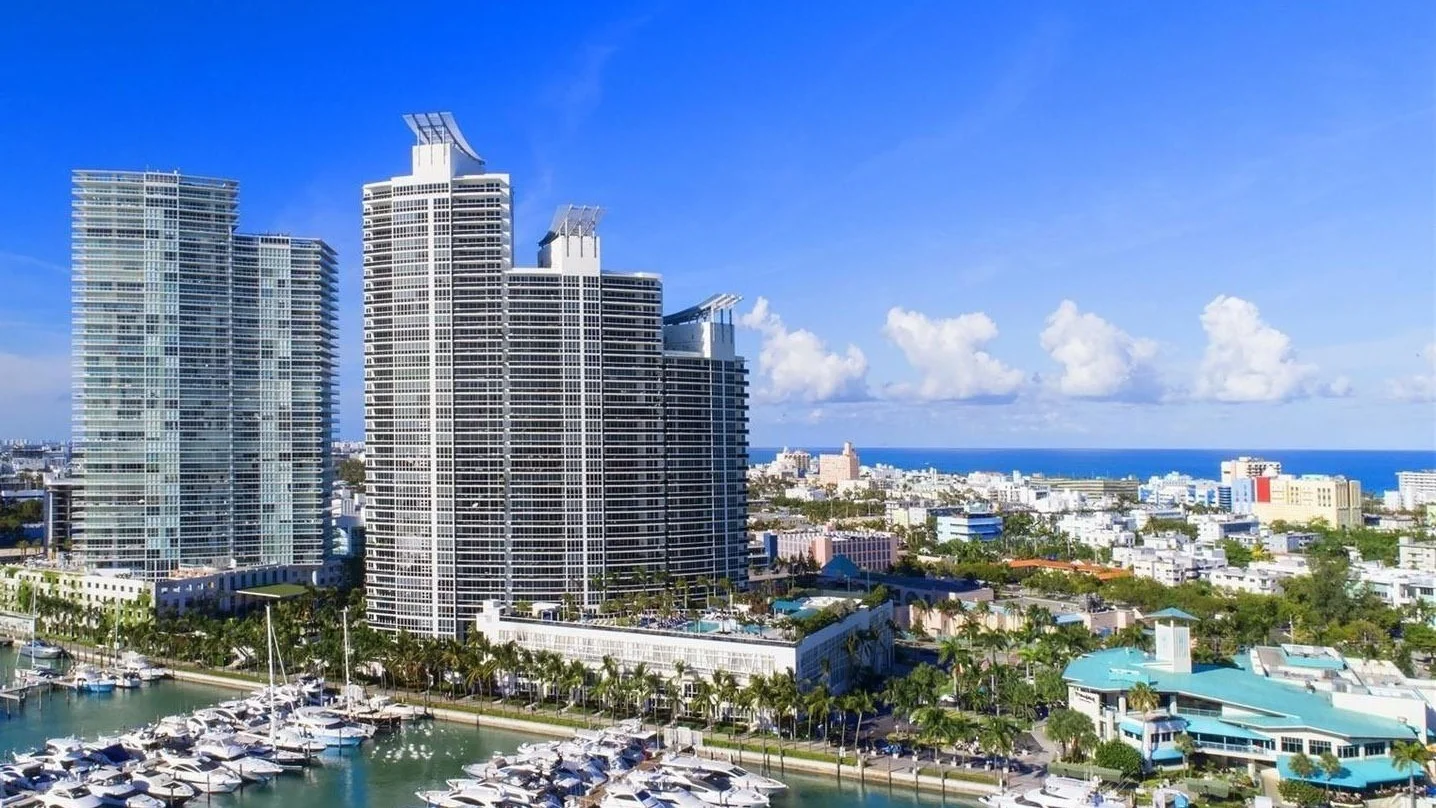
Quick answer: Two numbers on this building have to be read against each other. It was completed in 2003, which puts the milestone inspection near 2028, about two years away, the shortest horizon in this series. And dues run about $0.70 per square foot, which is low for a luxury waterfront tower of any age. Cheap dues two years before a structural inspection are not automatically good news. They are a question, and the reserve study is the only thing that answers it.
Two years is the shortest horizon here
| Building | Completed | Milestone near | Years away |
|---|---|---|---|
| Murano Grande | 2003 | 2028 | about 2 |
| Las Olas River House | 2004 to 2005 | 2029 to 2030 | 3 to 4 |
| Jade Ocean | 2008 to 2009 | 2033 to 2034 | 7 to 8 |
| Quantum on the Bay | 2008 | 2033 | 7 |
| Brickell Flatiron | 2019 | 2044 | 18 |
At two years out there is nothing left to forecast. Under the SB 4-D milestone and reserve framework the structural integrity reserve study should already be complete, the engineer’s scope should be known, and the board should already have decided how to fund whatever it found.
That makes this an unusually easy building to diligence, provided the buyer asks. Everything material is a document that either exists or does not, and there is no judgement call about whether a board will behave responsibly over the next decade. It already has or it has not.
Ask for the study first, before the floor plan, before the view, before the price discussion.
Why $0.70 a foot deserves scrutiny
Dues here run about $0.70 per square foot per month, with published figures near $2,048 for a two-bedroom and $2,364 for a three-bedroom.
Set that against the rest of the market:
| Building | Dues per square foot |
|---|---|
| Murano Grande | about $0.70 |
| Brickell district average | about $0.72 |
| Rise Brickell City Centre | $0.90 to $1.20 |
| Brickell House | about $1.07 |
| Aston Martin Residences | about $1.25 |
| SLS LUX Brickell | about $1.63 |
A 2003 waterfront tower in South of Fifth with a pool, spa, fitness centre and tennis courts, charging the same per foot as the Brickell average and less than a building half its age, is charging remarkably little for what it operates.
There are two explanations and they lead to opposite conclusions.
The benign one. 270 residences with generous floor plans means a large total square footage sharing the fixed costs, and dues expressed per foot fall as average unit size rises. The dollar figures, over $2,000 a month, are not small in absolute terms. A well-run association with a large billable area genuinely can charge less per foot than a boutique tower.
The one to check. Reserve contributions are inside the dues. An association that has been under-funding reserves shows lower dues today and a larger bill later, and the bill arrives with the milestone inspection. Two years before that inspection, a below-market dues figure is exactly the pattern that precedes a special assessment.
The reserve study and the funding percentage tell you which of these applies. Ask for both, and ask for three years of dues history: a flat line into a 2028 inspection means something different from a rising one.
What to ask, in order
| Question | Why it is decisive here |
|---|---|
| Is the structural integrity reserve study complete? | at two years out, absence is the finding |
| What is the current reserve funding percentage? | quantifies the gap between collected and needed |
| What is the engineer’s estimated scope and cost? | sets the size of the eventual bill |
| Has any special assessment been levied, is any pending, has any been discussed? | boards discuss long before they levy |
| How have dues moved over three years? | flat into a milestone is a warning |
If those answers show a completed study and reserves funded toward it, the 2028 event is a scheduled maintenance programme, the low dues reflect genuine scale efficiency, and this is a strong purchase at an established address.
If the study is missing, or reserves are materially short, the gap is a number you can put in the offer. That is a legitimate way to buy: the risk is quantified and priced rather than ignored. What is not legitimate is buying at full price on the assumption that cheap dues are simply good management.
Two rentals a year, six-month floor
Owners may let twice per year with no lease shorter than six months, which places this building in the strict tier alongside Echo Brickell, Quantum on the Bay and Jade Ocean.
For a South of Fifth address that constraint has a particular cost. This is one of the most seasonal micro-markets in Miami Beach, where winter demand pays a substantial premium, and a six-month floor means an owner cannot capture it. The model is one annual tenant at a blended rate.
The compensation is the tenant quality that South of Fifth attracts and the stability of an annual lease in a building where residents are largely owner-occupiers rather than a rotating rental pool. Strict rules and a quiet building are the same thing viewed from two sides.
Confirm the clause in the recorded declaration with amendments. Miami Beach associations have tightened rental rules considerably since 2021.
Insurance, and the other coastal line
The building sits on the water on the bay side at the southern tip of South Beach. Coastal condominium master policies have repriced every year since 2022, they sit inside the dues, and Miami Beach waterfront is at the demanding end of that market.
That interacts directly with the dues question above. If dues have stayed flat while insurance premiums have risen across the market, something else in the budget has absorbed the increase, and reserve contributions are the usual candidate. Ask the manager to break three years of dues into reserve contribution and insurance premium. On this building, at this moment, that single breakdown is the most informative number available.
How those lines behave statewide is set out in the Florida property insurance guide. For the district picture see the Miami area page.
Financing a building near its milestone
Since 2021 lenders have added reserve funding and structural inspection status to project questionnaires. A building two years from its milestone without a completed study, or with materially underfunded reserves, can fail project eligibility, and that failure is building-wide.
Where a project is non-warrantable the conventional thirty-year loan is unavailable on every residence, leaving cash, portfolio lending or a DSCR loan underwritten on rent at a larger deposit. Overseas buyers work through foreign national mortgage programmes.
Get the written determination before offering and ask the lender specifically what they concluded about reserves. It is also your read on the future buyer pool, which for a 2003 building is the real exit question.
Verification checklist before you wire
- Ask for the structural integrity reserve study and confirm it is complete, with the engineer’s scope.
- Get the current reserve funding percentage and the schedule to full funding.
- Request three years of dues history split into reserve contribution and insurance premium.
- Ask about any special assessment levied, pending or discussed in the last twenty-four months, and request the minutes.
- Ask when the last structural or envelope survey was carried out and request the report.
- Confirm the two-rentals and six-month minimum in the recorded declaration with amendments.
- Obtain a written lender project eligibility determination addressing reserves and the milestone.
Which buyer this building suits
It suits a buyer who will read the reserve study and price what it says. South of Fifth is one of Miami Beach’s strongest addresses, the building is a serious one by an established sponsor, and a 2028 inspection with funded reserves is a scheduled event rather than a threat. If the documents are good, the low dues are a genuine advantage and this is a well-priced way into the neighbourhood.
It suits a buyer who wants to skip diligence least of all the buildings in this series, because the calendar is shortest here. Two years is not enough time for a new owner to change how an association has behaved for the previous twenty. Whatever the board decided, you are buying it. Read the decision first.
Frequently Asked Questions
A 2003 completion places the 25-year coastal trigger near 2028, which is roughly two years away. That is the shortest horizon of any building in this series. The structural integrity reserve study should already exist, the funding decision should already have been taken, and a buyer today inherits both rather than influencing either.
They are a question rather than an answer. That figure sits below the Brickell district average and well below comparable South Beach luxury towers, in a 2003 waterfront building two years from its inspection. Low dues can mean an efficient association with a large owner base. They can also mean an association that has not been funding reserves. The reserve study distinguishes the two.
Completed in 2003 at 400 Alton Road, Miami Beach FL 33139, in the South of Fifth neighbourhood. Sources give 37 or 38 storeys with 270 residences. The Related Group developed it with architecture by Sieger Suarez.
Owners may rent a maximum of two times per year with no lease shorter than six months. That places Murano Grande in the strict tier: an annual-lease asset, with no seasonal or medium-stay model available.
Basic cable and internet through Atlantic Broadband, plus water, sewer and trash removal, are included in the association dues. Published monthly figures include about $2,048 for a two-bedroom and $2,364 for a three-bedroom, which is consistent with the $0.70 per square foot rate on large residences.
South of Fifth, at the southern tip of South Beach, on the bay side at 400 Alton Road. It is one of the most established luxury addresses in Miami Beach, with a pool, spa, fitness centre and tennis courts.
Get the reserve study at Murano Grande before you offer
Tell us the residence size you are considering. We will come back with the structural integrity reserve study and its scope, the current funding percentage, three years of dues split into reserves and insurance, any assessment history, and a written lender view on project eligibility.